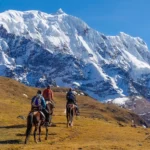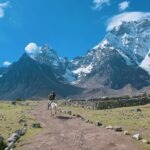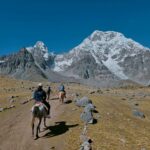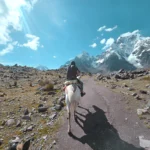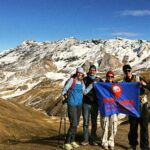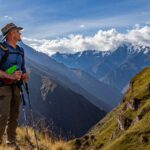
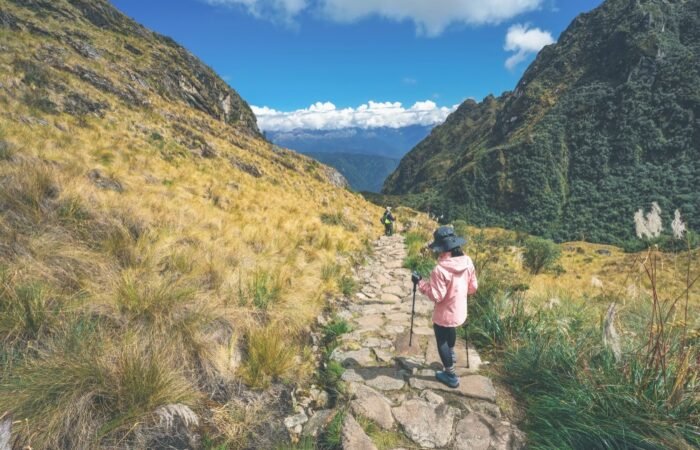
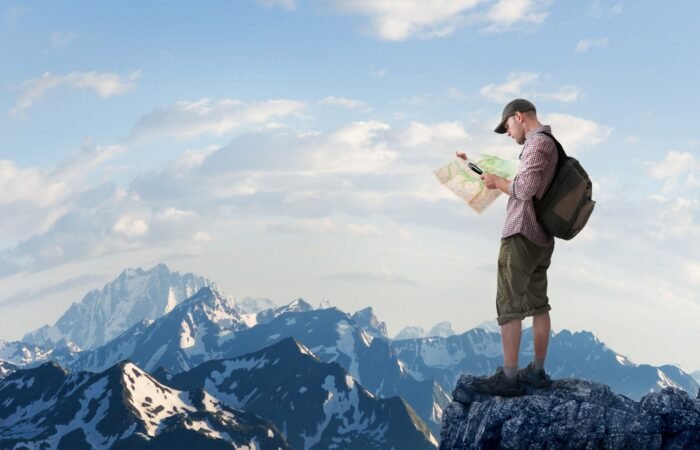
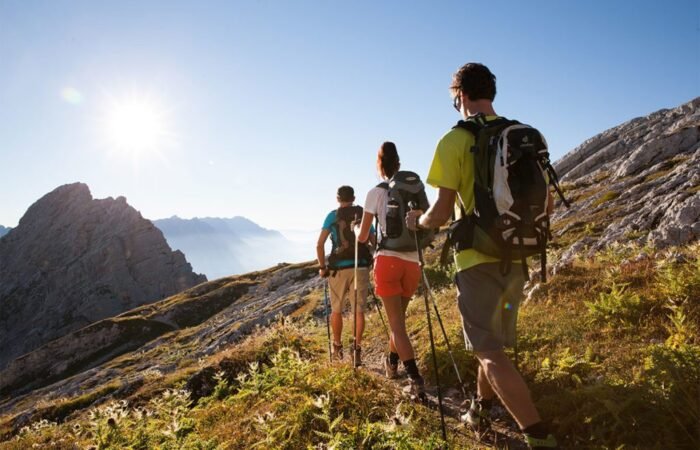

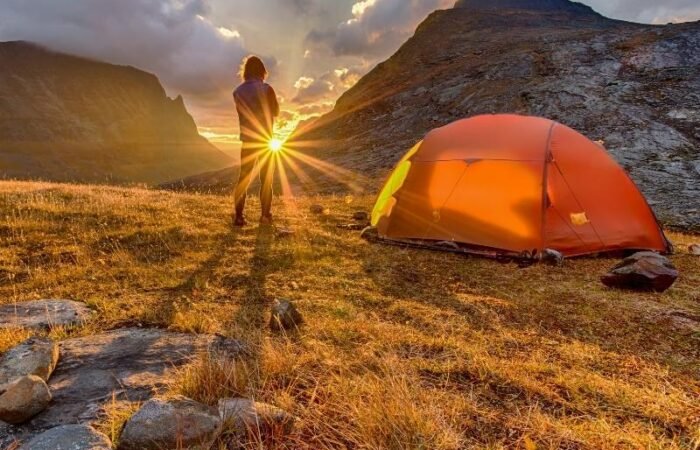
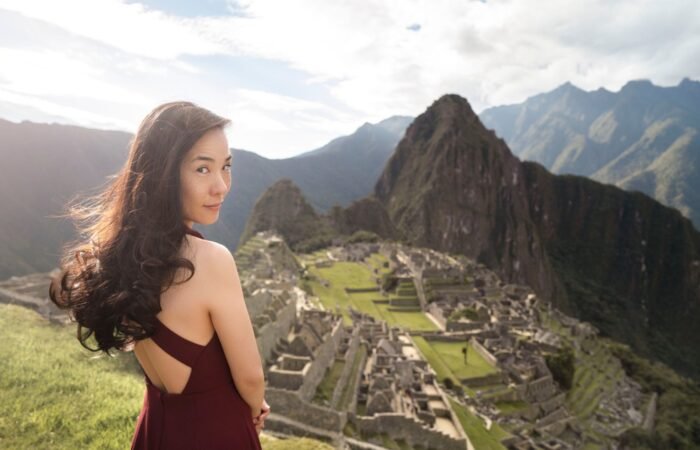


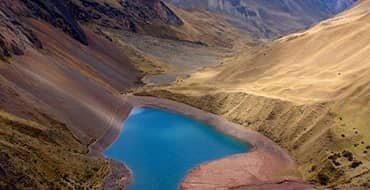
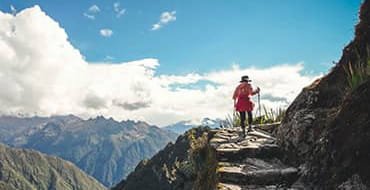
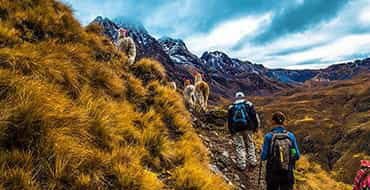
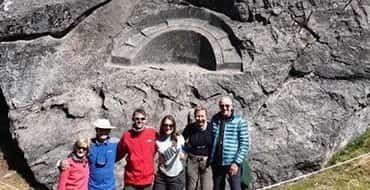
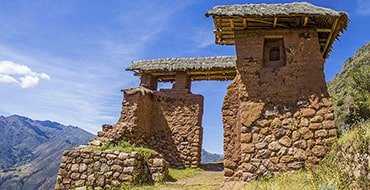

The 4-day Inca Trail to Machu Picchu is one of South America’s most memorable hiking experiences. More than a route to an archaeological wonder, it is a carefully paced journey through dramatic Andean landscapes, ancient settlements, and living cultural history. Each day brings a different perspective, from broad mountain valleys and high-altitude passes to moss-covered paths winding through the cloud forest.
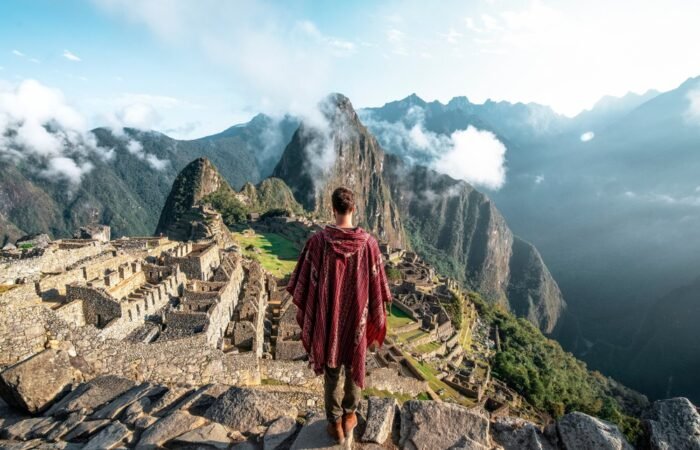
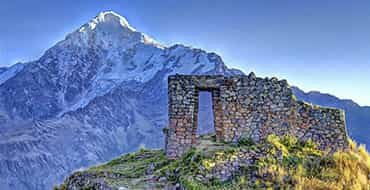
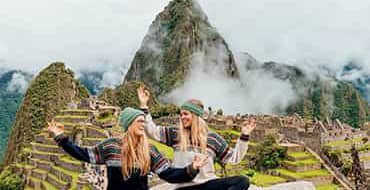
The classic Inca Trail trek is especially rewarding because its final approach is made on foot through the Sun Gate, or Inti Punku. After several days of walking, hikers reach this historic gateway and often see Machu Picchu spread below in the early morning light. The arrival provides a powerful sense of connection between the landscape, the achievements of the Inca civilization, and the effort required to reach the citadel.
This trek suits travelers who want cultural immersion alongside a physical challenge. Daily hikes include steep ascents, uneven stone steps, and changing weather, while a structured guided adventure provides logistical support, historical interpretation, camps, meals, and group companionship. Previous trekking experience is helpful but not essential for people who prepare steadily and allow time to acclimatize in Cusco or another high-altitude destination.
Meta description: Plan your 4-day Inca Trail to Machu Picchu with this complete guide to the itinerary, difficulty, packing list, permits, highlights, and best season.
Because access is controlled, permits for the Inca Trail are limited and should be arranged well in advance, particularly for travel during the busiest dry-season months. Before booking, explore related resources such as a guide to Machu Picchu, an Inca Trail and alternative treks comparison, a Peru travel itinerary, altitude acclimatization tips, and a guide to Cusco. These supporting guides can help you choose the right route, build a practical schedule, and prepare responsibly for the altitude and conditions.
Day 1: Km 82 to the First Campsite
The classic Inca Trail usually begins near Km 82, close to Ollantaytambo in the Sacred Valley. The first day covers approximately 11 kilometers (7 miles) and takes about five to six hours, with a gradual elevation gain from roughly 2,700 meters to a campsite near 3,000 meters. The route follows the Urubamba River and passes agricultural terraces, small communities, and mountain views that introduce the landscape of the Andes. This is generally the easiest day, making it a valuable opportunity to settle into a steady pace, organize equipment, and adapt to walking at altitude. Campsite locations vary by operator and permits, but most groups finish near Wayllabamba or a nearby designated site.
Day 2: Dead Woman’s Pass and the High Mountain Route
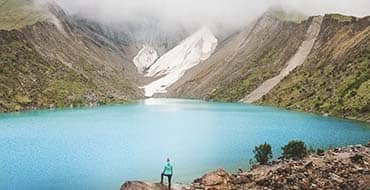
Day 2 is commonly regarded as the most demanding section. The trail climbs toward Warmiwañusca, or Dead Woman’s Pass, the route’s highest point at approximately 4,215 meters (13,828 feet). The ascent may take four to six hours, followed by a steep descent of several hours toward the campsite, often near Pacaymayo. Vegetation changes from farmland to high grassland and exposed mountain slopes, offering dramatic views while reducing shelter from wind and weather. Steady pacing, frequent hydration, and proper acclimatization are essential. Depending on the itinerary, this day covers about 12 kilometers (7.5 miles).
Day 3: Stone Steps, Cloud Forest, and Remote Ruins
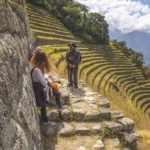
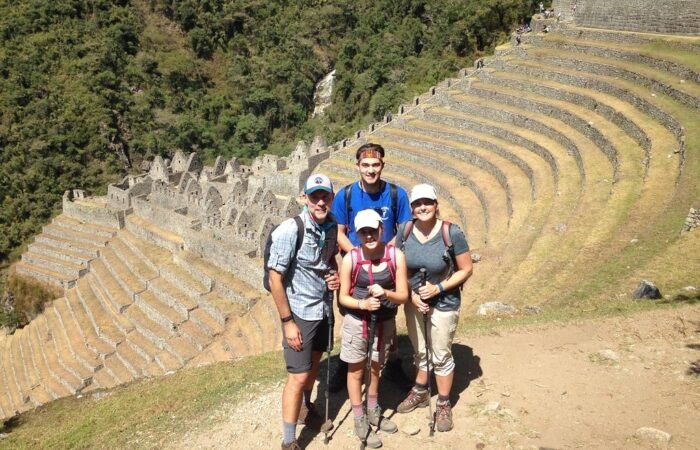
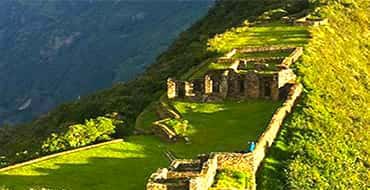
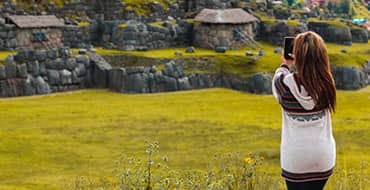
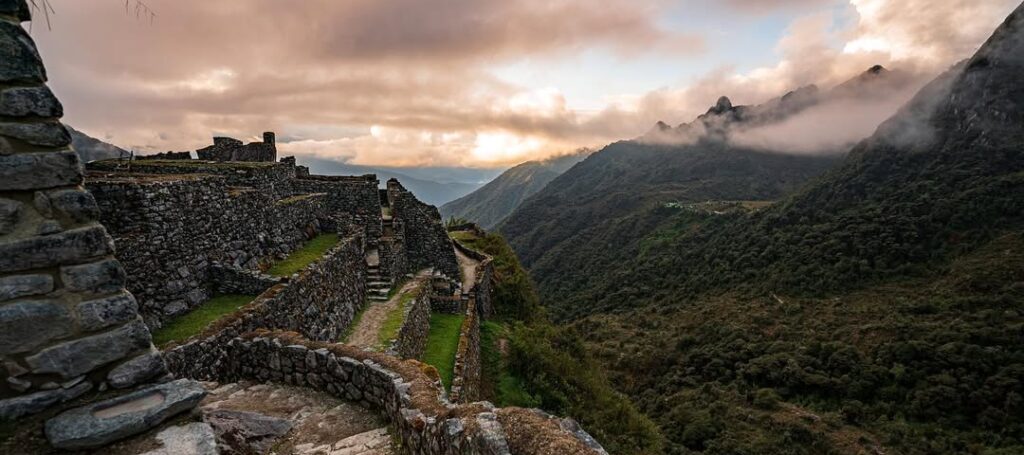
The longest and most varied day generally covers 15 to 16 kilometers (9 to 10 miles) and may require eight to ten hours. Hikers negotiate steep Inca stone steps, cross additional passes, and descend through changing ecosystems into cloud forest. Highlights can include Runkurakay, Sayacmarca, Concha Marca, Phuyupatamarca, and Wiñay Wayna, depending on the precise route and group schedule. Wiñay Wayna is especially impressive for its terraces, ceremonial structures, and cliffside setting. Campsites may be near Wiñay Wayna or another authorized location.
Day 4: Inti Punku and Machu Picchu
An early start leads along the final trail to Inti Punku, or the Sun Gate, usually after one to two hours of walking. From here, the first view of Machu Picchu appears across the mountains. Hikers then enter the citadel for a guided visit before taking transport to Aguas Calientes. Schedules, hiking times, and campsite arrangements differ by operator, but entering Machu Picchu on foot remains the trek’s defining experience, combining panoramic Andes views, ancient stonework, cloud forests, and remote ruins.
The four-day Inca Trail is challenging but achievable for reasonably fit hikers. Expect long walking days, steep ascents and descents, uneven stone paths, high altitude, and rapidly changing weather. Difficulty varies according to acclimatization, fitness, previous hiking experience, pack weight, sleep quality, and trail conditions. Spend at least two or three days acclimatizing in Cusco or the Sacred Valley, and prepare with uphill walks, stair training, and longer hikes. Anyone with altitude-related concerns should consult a medical professional before traveling.
Practical Packing Checklist
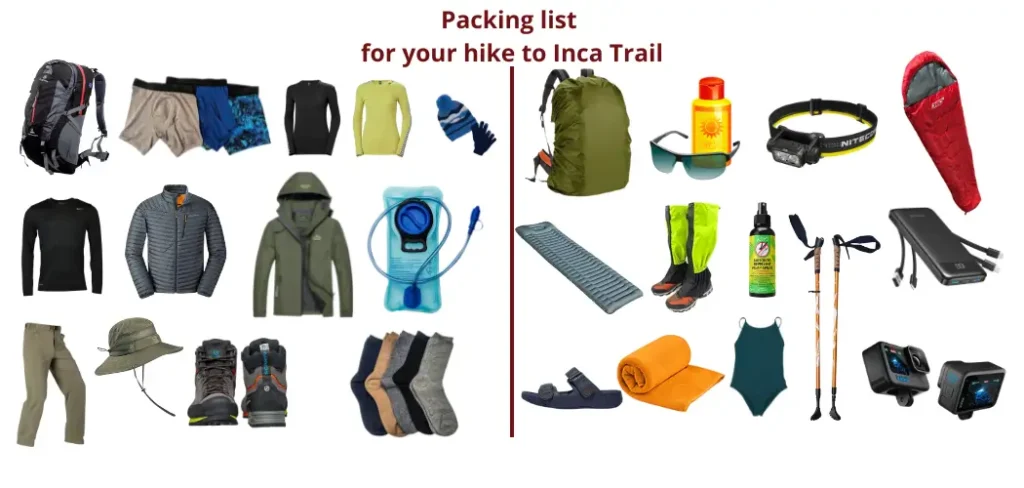
Carry your valid passport and permit details, broken-in hiking boots, moisture-wicking layers, a warm fleece or insulated jacket, waterproof shell and trousers, sun hat, sunglasses, sunscreen, insect repellent, lightweight gloves, a refillable water bottle or hydration system, headlamp, personal medication, and basic first-aid supplies. Add toiletries and biodegradable products, a sleeping bag suitable for cold nights, trekking poles with protective tips, snacks, electrolyte tablets, a phone or camera with spare power, and cash for tips or emergency expenses.
Porters typically carry shared camping equipment, tents, food, and sometimes a limited allowance of personal belongings, depending on the operator’s policy. Confirm weight limits before departure and keep essentials in a lightweight daypack. Your pack should hold water, rain protection, snacks, sun protection, documents, medication, and spare layers, while valuables and items needed overnight remain accessible.
Best Time to Visit
May through September is the dry season and generally brings clearer skies, although nights are colder and permits and tours are in higher demand. April and October are shoulder months that may offer a useful balance between weather and availability. November through March is wetter, with muddier trails and heavier rain; the Inca Trail closes every February for maintenance. Conditions can change quickly at any time, so prioritize official park guidance and current updates from your trekking operator.
How far ahead should the permit be booked?
Book several months ahead, especially for May through September. Spaces are limited, permits are assigned to named travelers and specific dates, and they cannot normally be transferred. An authorized operator generally manages permits, campsites, and porter arrangements.
Is a guide required?
Yes. Trekkers must travel with an authorized guide. Licensed operators also coordinate group logistics, emergency support, meals, and the regulated porter system.
How difficult is the trek for first-time hikers?
The route is demanding rather than technical. Long days, steep stone steps, and altitude require regular walking fitness, but many prepared first-time trekkers complete it successfully.
What is the highest point?
Dead Woman’s Pass, or Warmiwañusqa, is approximately 4,215 meters (13,828 feet) above sea level.
Are hiking poles useful?
Yes. Poles reduce strain on knees during descents and improve balance on uneven, sometimes slippery steps. Use rubber tips where required to protect stone surfaces.
How much water and food are available?
Operators usually provide meals and treated water, but supplies are limited to planned camps and meal stops. Carry a refillable bottle or hydration reservoir, plus compact snacks such as nuts or energy bars.
What if rain changes the itinerary?
Guides may adjust departure times, camps, or sightseeing plans for storms, landslides, or unsafe trails. Protect electronics and valuables in waterproof bags, and do not rely on mobile reception.
Can children or older travelers participate?
They can, provided they are healthy, acclimatized, and prepared for sustained exertion. A medical consultation and a private, slower itinerary may be appropriate.
How should altitude symptoms be managed?
Ascend gradually, rest, hydrate, avoid alcohol, and tell the guide about headache, nausea, dizziness, or unusual breathlessness. Severe or worsening symptoms require descent and medical evaluation.
What happens after reaching Machu Picchu?
After the guided visit, groups usually take a bus to Aguas Calientes and continue by train and road to Cusco or the Sacred Valley. Respect archaeological areas, communities, porters, and leave-no-trace principles.
The 4-day Inca Trail to Machu Picchu combines endurance, history, scenery, and cultural significance. Prepare thoughtfully, acclimatize properly, pack light, choose a responsible licensed operator, and embrace the slower pace of walking through the Andes. For further planning, link to a detailed Machu Picchu planning guide, a Peru packing checklist, and a Cusco altitude guide.