

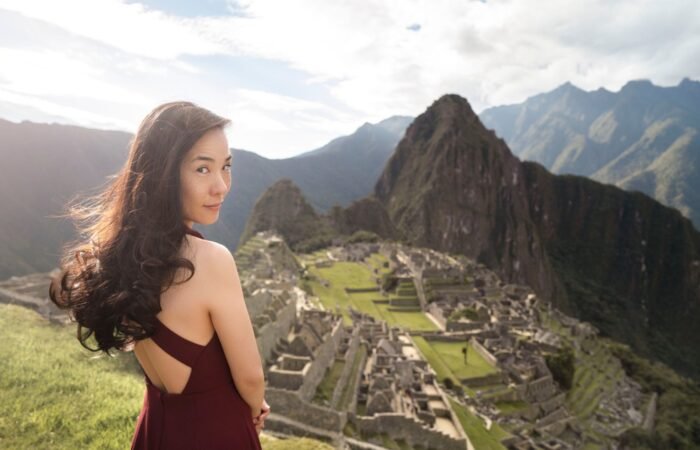
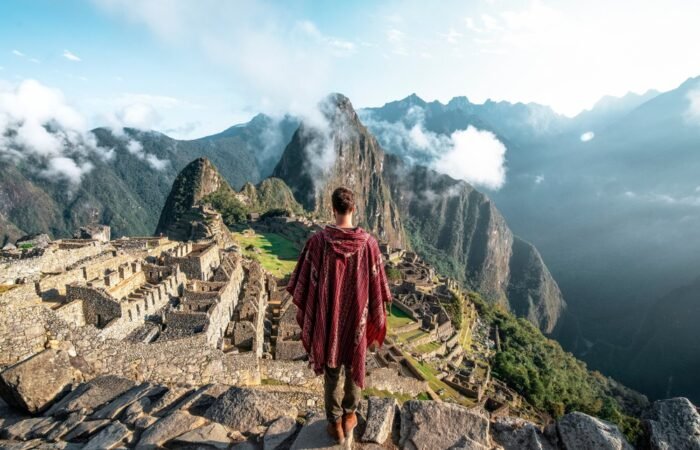


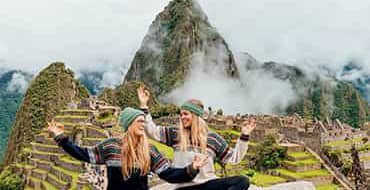

You’ve probably imagined it already: ancient pathways winding through the Andes, hidden archaeological sites, lush mountain landscapes, and that unforgettable first glimpse of Machu Picchu. The question is, which journey will give you the experience you’re looking for: the 2 Day Inca Trail or the classic 4 Day Inca Trail?
Many travelers face this decision when planning their adventure to Machu Picchu. Both treks follow portions of the historic Inca road system, both offer incredible scenery, and both lead to one of the world’s most remarkable archaeological wonders. However, the length, challenge, atmosphere, and overall experience are very different.
The 4 Day Inca Trail is the complete trekking experience, taking you deep into the heart of the Andes while visiting multiple Inca sites along the route. The 2 Day Inca Trail, often called the Short Inca Trail, is a shorter and more accessible alternative that still allows you to enter Machu Picchu through the famous Sun Gate.
In this comparison guide, we’ll explore the key differences between these two iconic routes, including trekking distance, difficulty level, landscapes, archaeological attractions, permit availability, travel logistics, and the type of traveler each option is best suited for. By the end, you’ll have a clear understanding of whether the 2 Day or 4 Day Inca Trail is the perfect choice for your journey to Machu Picchu.
Where Is The Inca Trail In Peru?
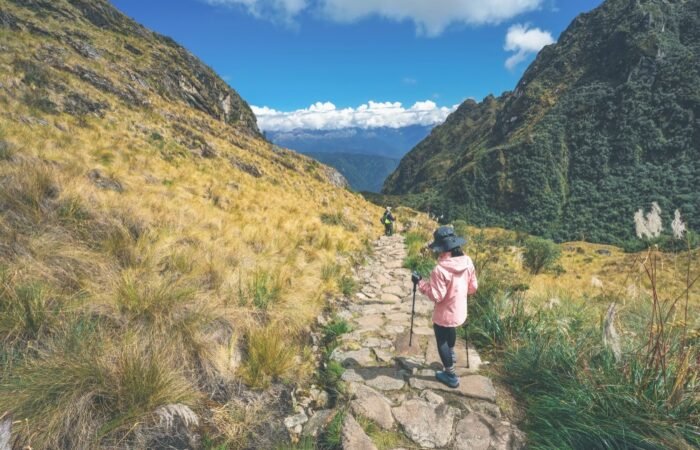
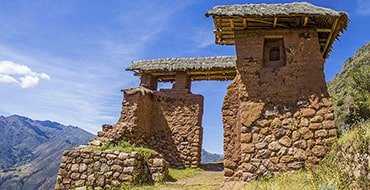
The Inca Trail lies in the heart of Peru’s Andes Mountains, close to the former Inca capital of Cusco and within the protected boundaries of the Machu Picchu Historic Sanctuary. This world-famous trekking route follows sections of the extensive network of roads built by the Incas centuries ago, connecting important cities, ceremonial centers, and mountain settlements throughout their empire.
The traditional 4 Day Inca Trail begins at Kilometer 82, located near Ollantaytambo in the Sacred Valley. From there, hikers follow a spectacular route through high mountain passes, ancient stone stairways, cloud forests, and several impressive archaeological sites before reaching Machu Picchu.
The 2 Day Inca Trail, commonly known as the Short Inca Trail, starts at Kilometer 104 along the railway line to Aguas Calientes. This shorter trek follows the final and most scenic section of the original trail, including visits to important Inca ruins and the iconic entrance through the Sun Gate overlooking Machu Picchu.
When deciding between the 2 Day and 4 Day Inca Trail, you are not choosing between different destinations. Both journeys lead to the same extraordinary wonder of Machu Picchu. The real difference is how much of the historic route you wish to experience, how much time you want to spend trekking through the Andes, and the level of adventure you are seeking.
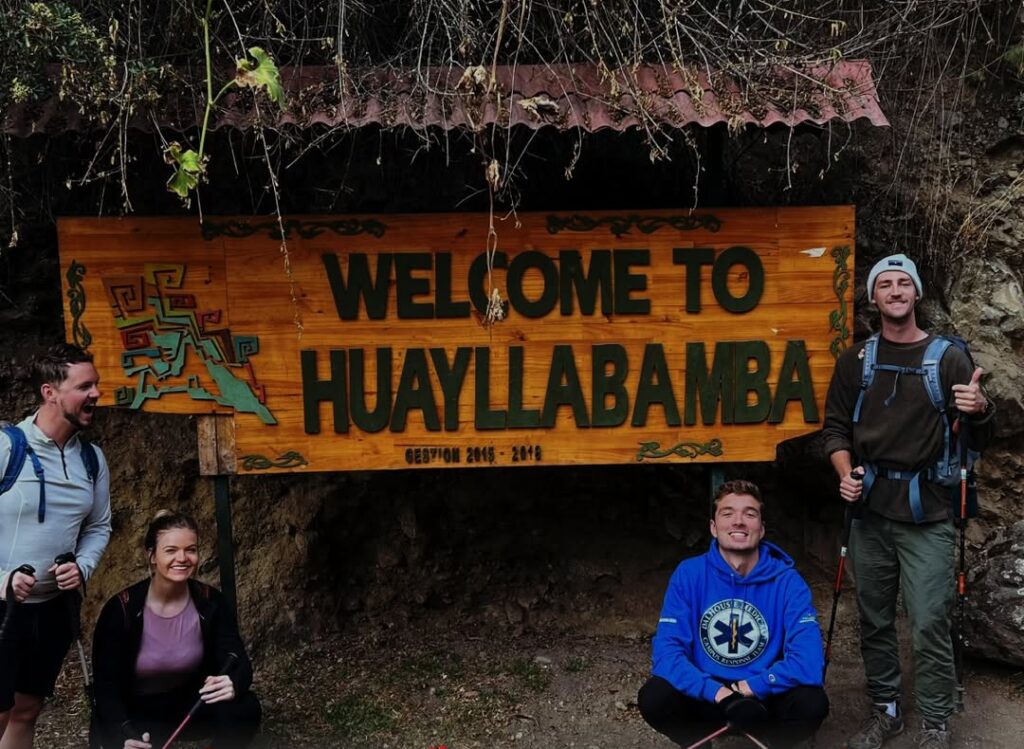
Classic Inca Trail 4 Days – 3 Nights
Experience the Complete Inca Trail Journey
For many travelers, this is the ultimate route to Machu Picchu—the adventure that has inspired hikers from around the world for decades.
Distance: 27.3 miles (44 km)
Duration: 4 Days / 3 Nights
Difficulty: Moderate to Challenging
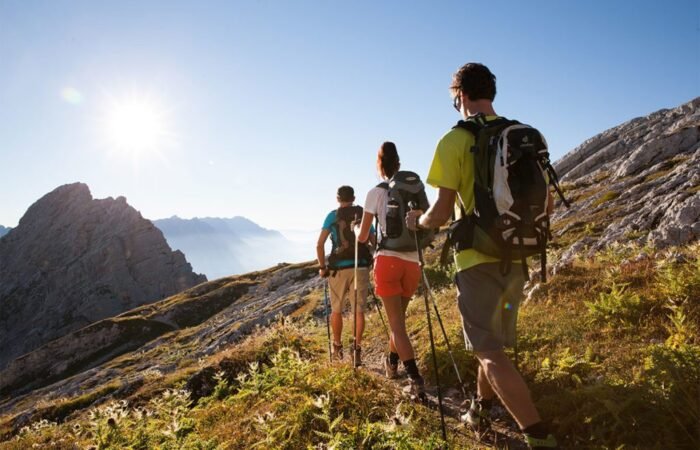
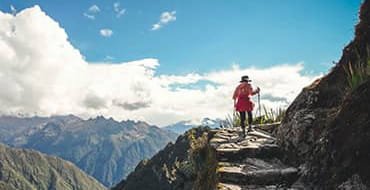
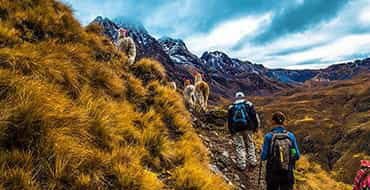
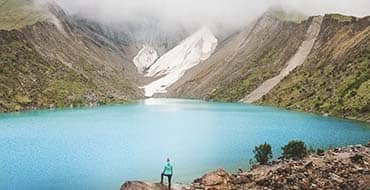
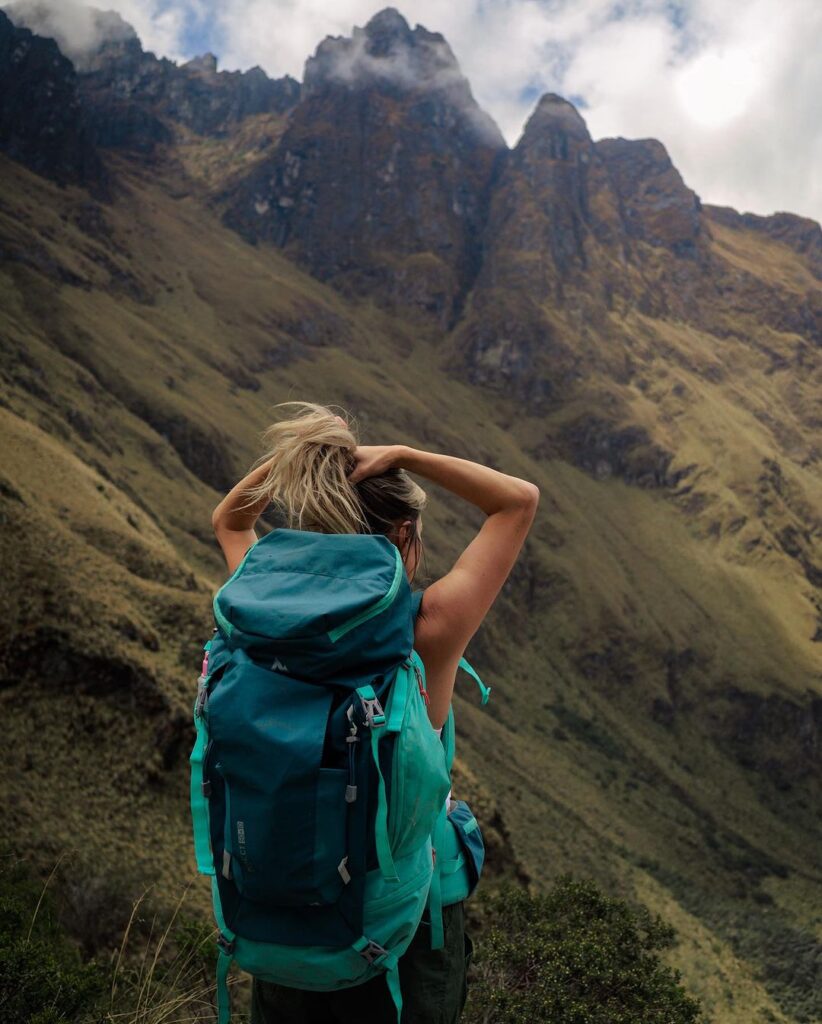
The Classic Inca Trail takes you on an unforgettable journey through some of the most spectacular landscapes in the Peruvian Andes. Over four incredible days, you’ll follow ancient stone paths, cross breathtaking mountain passes, trek through diverse ecosystems, and discover remarkable Inca archaeological sites hidden far from the crowds.
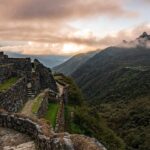
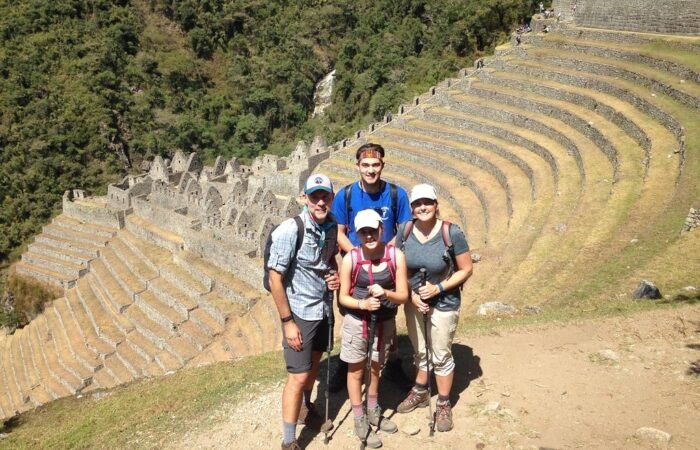
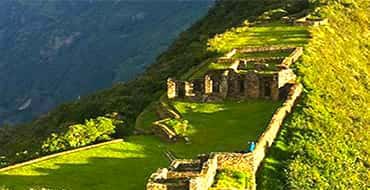
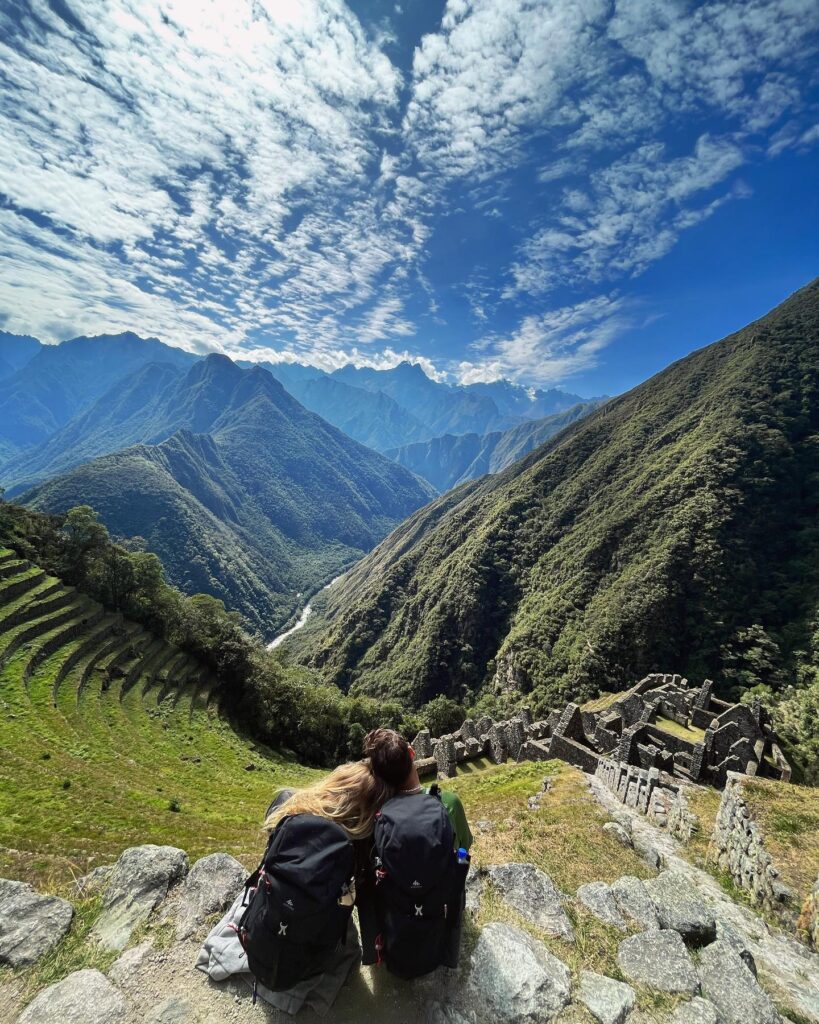
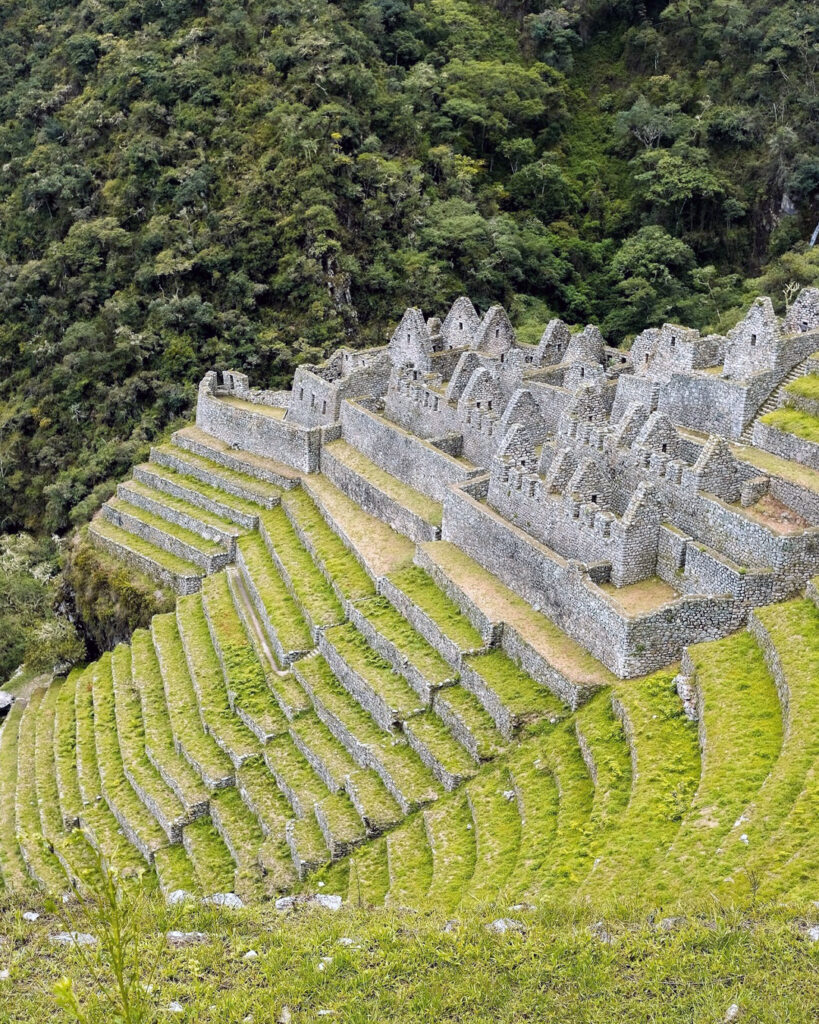
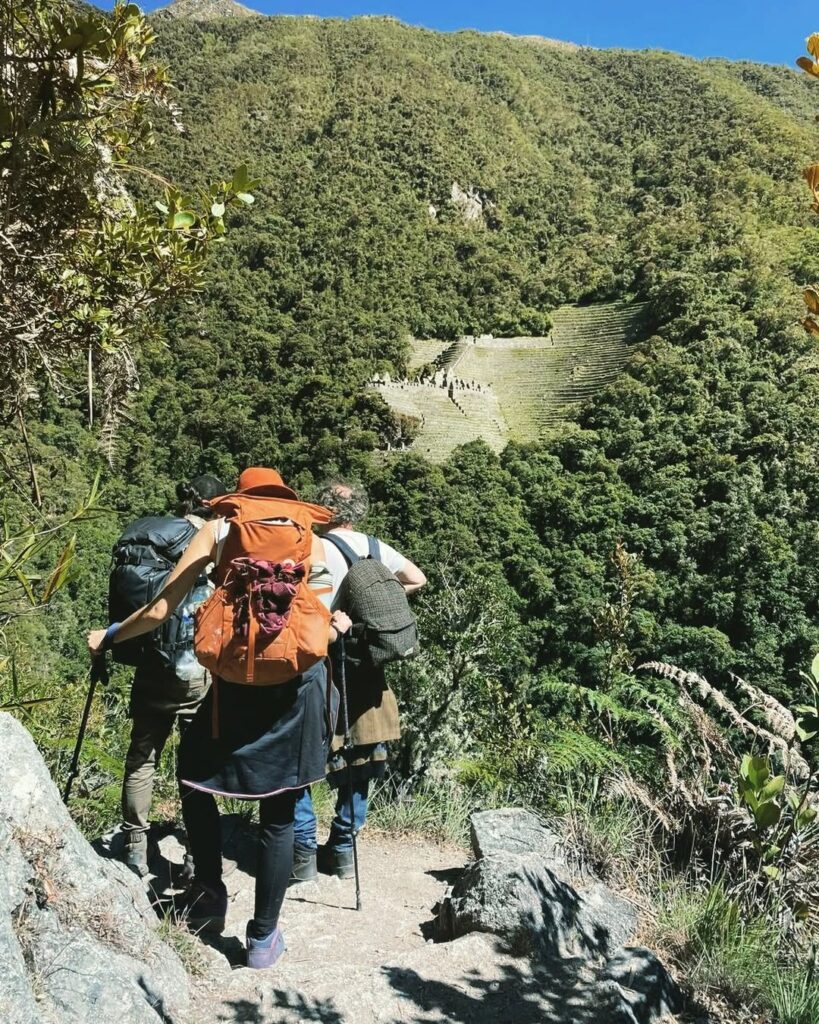
One of the most memorable moments of the trek is reaching Dead Woman’s Pass (Warmiwañusca) at 13,829 ft (4,215 m), the highest point along the route. From there, the trail continues through misty cloud forests, lush valleys, and a series of impressive Inca ruins, including the famous archaeological complex of Wiñay Wayna, one of the last and most beautiful sites before arriving at Machu Picchu.
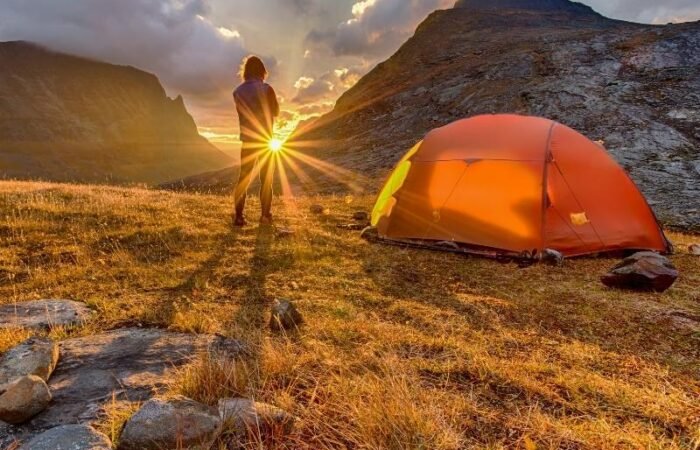
Camping beneath the clear Andean sky, waking up surrounded by mountain scenery, and sharing the experience with fellow trekkers creates memories that last a lifetime. Every section of the trail reveals a new perspective of the Inca world, making the journey itself just as rewarding as the destination.
Rather than simply visiting Machu Picchu, the Classic Inca Trail allows you to experience the gradual approach that ancient travelers once followed, creating a deeper connection with the history, culture, and landscapes of the region.
The 4 Day Inca Trail is Perfect for Travelers Who:
- Want the most complete Inca Trail experience available.
- Enjoy multi-day trekking adventures and outdoor exploration.
- Wish to visit multiple archaeological sites along the route.
- Are comfortable hiking several hours each day at high altitude.
- Plan their trip well in advance and can secure permits early.
- Want a more immersive connection with the Andes and Inca history.
For those seeking an authentic trekking adventure filled with dramatic scenery, cultural discoveries, and personal achievement, the Classic 4 Day Inca Trail offers a truly unforgettable journey to Machu Picchu. The combination of ancient pathways, changing landscapes, remote archaeological sites, and the anticipation built over four days makes the final arrival feel even more meaningful and rewarding.
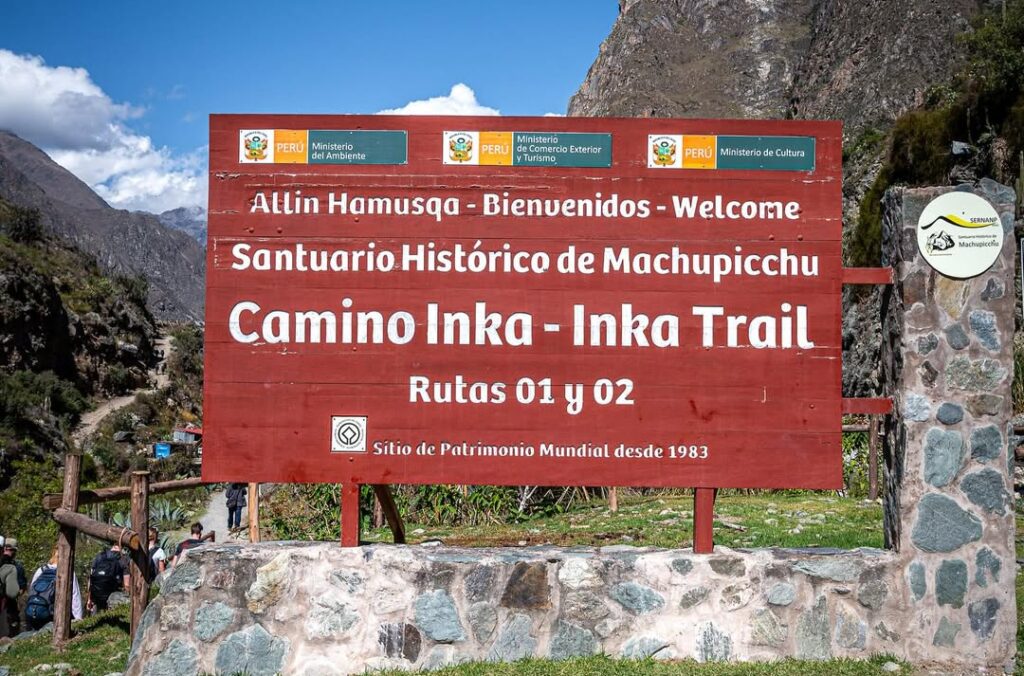
Short Inca Trail 2 Days – 1 Night
Not everyone has four days available for trekking, and that’s exactly why the Short Inca Trail has become one of the most popular alternatives for reaching Machu Picchu.
Distance: Approximately 7.5 miles (12 km)
Duration: 2 Days / 1 Night
Difficulty: Moderate
This shorter version of the Inca Trail offers an excellent balance between adventure, history, and comfort. Although the trek covers a much shorter distance, it still follows an authentic section of the original Inca road network and provides many of the highlights that make the trail so famous.
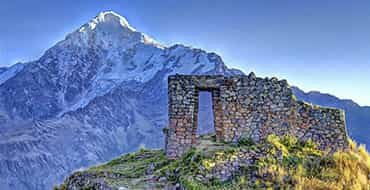
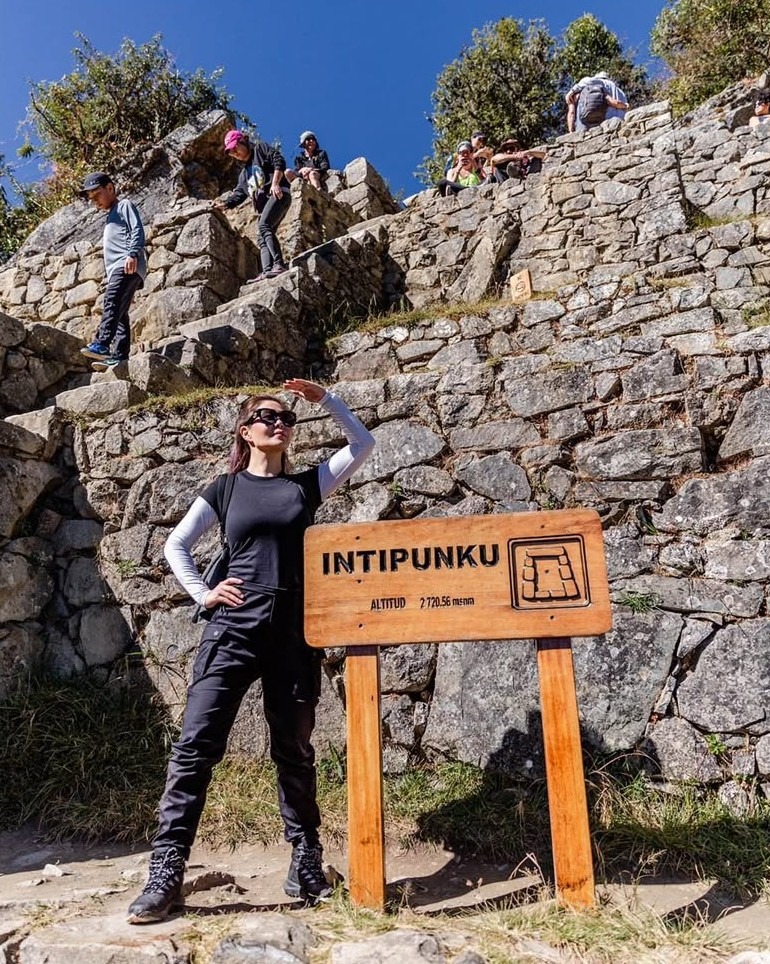
The journey begins at Kilometer 104 and leads hikers through beautiful Andean landscapes, subtropical vegetation, and ancient archaeological sites before reaching the impressive ruins of Wiñay Wayna. From there, the trail continues to the iconic Sun Gate (Inti Punku), where travelers enjoy their first panoramic view of Machu Picchu from above—a truly unforgettable moment.
Unlike the Classic Inca Trail, the Short Inca Trail does not include high mountain passes, multiple days of camping, or long hours of hiking at extreme elevations. After completing the trek, you spend the night in a comfortable hotel in Aguas Calientes before returning to Machu Picchu the next morning for a guided exploration of the citadel.
The 2 Day Inca Trail is Perfect for Travelers Who:
- Have limited time in Peru but still want to hike part of the historic Inca Trail.
- Prefer a shorter and less demanding trekking experience.
- Want to combine adventure with the comfort of a hotel stay.
- Are traveling with family members or companions with different fitness levels.
- Prefer to avoid high-altitude mountain passes.
- Were unable to secure permits for the Classic Inca Trail due to limited availability.
The Short Inca Trail delivers many of the most memorable elements of the Inca Trail experience in a more accessible format. You still walk along original Inca pathways, visit remarkable archaeological sites, enter Machu Picchu through the famous Sun Gate, and enjoy stunning mountain scenery—all while avoiding the physical demands of a multi-day expedition. For travelers seeking a rewarding adventure without committing to four days of trekking, it is an outstanding option.
Classic Inca Trail vs Short Inca Trail: The Main Differences
If you’re still deciding between the Classic Inca Trail and the Short Inca Trail, understanding the key differences can make your choice much easier. While both routes lead to the incredible wonder of Machu Picchu and follow sections of the original Inca road network, the overall experience varies significantly in terms of duration, challenge, scenery, and immersion.
| Classic Inca Trail | Short Inca Trail |
| Difficulty Level: Challenging. This trek involves high mountain passes, significant altitude gain, and long hiking days, making it best suited for well-prepared hikers. | Difficulty Level: Moderate. This trek involves one full day of hiking, with no extreme mountain passes, making it suitable for travelers with a reasonable level of fitness. |
| Time & Distance: 4 days, 27.3 miles (44 km). | Time & Distance: 2 days, 7.5 miles (12 km). |
| Permits & Availability: Permits are highly competitive and often sell out months in advance, especially during peak season (May to September). Only 500 permits are issued per day, with 300 reserved for guides and support staff, leaving just 150available for trekkers. | Permits & Availability: Permits are limited to 500 per day and are required to access the route. While they can sometimes be secured closer to the travel date, availability is not guaranteed, especially during peak season, making advance booking strongly recommended. |
| Price: $799 with Salkantay Trekking. The Classic Inca Trail is generally more expensive due to its longer duration, complex camping logistics, support staff (porters and chefs), and additional meals included throughout the trek. | Price: $550 with Peru Hike Trekking. The Short Inca Trail is more compact, so it is typically more affordable, while still including guided trekking, entrance to Machu Picchu, and accommodation in Aguas Calientes. |
| Overall Experience: A fully immersive and rewarding trekking experience that is physically demanding yet deeply transformative, offering a powerful connection to nature, history, and the Andean landscape. | Overall Experience: A focused and efficient trekking experience that is culturally enriching, offering a meaningful journey to Machu Picchu in a shorter and less physically intense format. |
| Ideal For: Adventure enthusiasts, experienced hikers, and travelers seeking a full and immersive Andean trekking experience with a deep connection to nature, history, and the Inca legacy. | Ideal For: Time-conscious travelers, first-time hikers in Peru, and those who prefer comfortable accommodations such as hotel stays over camping during their trek. |
Remember: Both the Classic Inca Trail and Short Inca Trail are closed in February.
Both routes follow the original stone trail and lead to Machu Picchu via the iconic Sun Gate. The choice is not about which is superior, but about which style of journey best suits your travel goals, pace, and trekking experience.
Which Inca Trail Is Better For You?
Let’s make this simple.
If You have limited time
Choose the Short Inca Trail to Machu Picchu. You’ll still walk ancient stone paths and arrive at Machu Picchu through the Sun Gate, but without the multi-day commitment.
If You want the full trekking experience
Go Classic. Four days in the Andes deliver a richer, more immersive journey, with changing landscapes and a powerful sense of achievement upon reaching Machu Picchu.
If It’s your first time hiking in Peru
The Short Inca Trail is an excellent introduction to high-altitude trekking—rewarding, manageable, and well-paced.
If permits are limited
Sometimes the decision is made for you. When Classic permits are sold out, the Short Inca Trail is a strong alternative that still includes the iconic Sun Gate arrival.
Inca Trail Permits: What You Need to Know
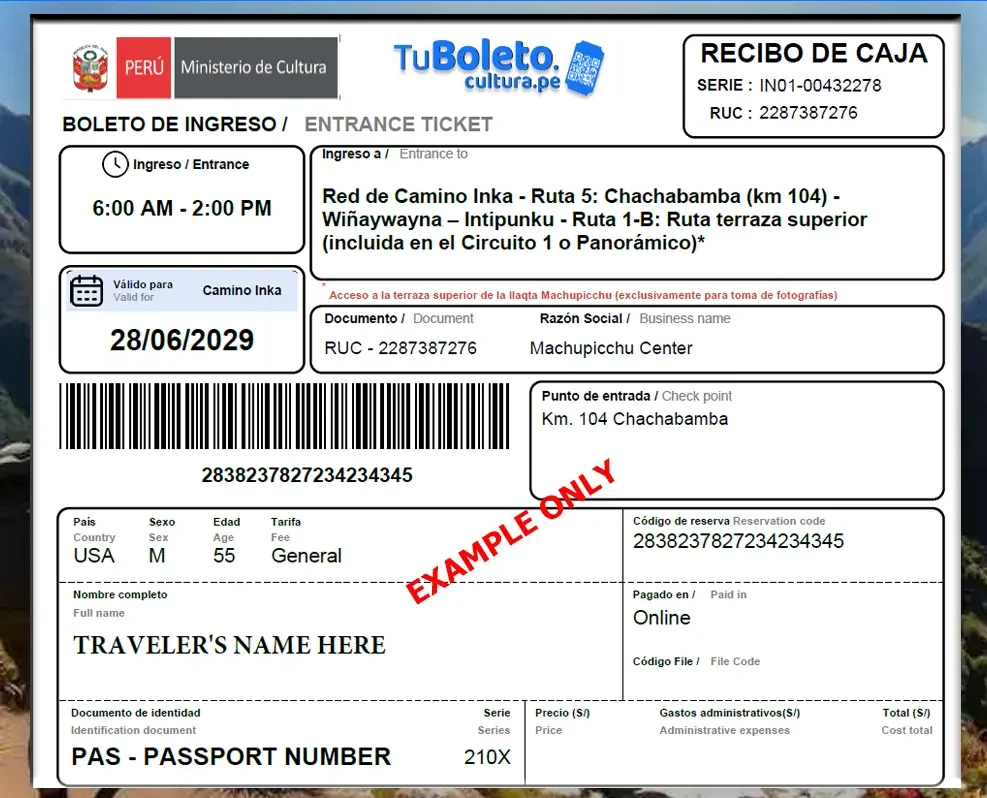
The Peruvian government strictly regulates access to the Inca Trail to preserve its condition and protect the environment.
Classic Inca Trail:
Approximately 500 permits are issued per day (this includes guides, porters, and support staff).
Short Inca Trail:
Has a smaller, separate allocation of permits with limited daily availability.
Permits are strictly tied to your passport and are non-transferable. Once they are sold out, no additional spaces are released for that date, meaning travelers must choose alternative dates or routes.
During peak season (May to September), permits often sell out months in advance. If you are planning to hike the Inca Trail, early booking is not just recommended—it is essential.
Practical Tips Before Choosing Your Inca Trail
Best Time of Year to Hike
The dry season (May to September) offers the most stable weather conditions, with clearer skies and better trekking visibility—ideal for high-altitude hiking and photography.
The rainy season (November to March) brings fewer crowds and a greener landscape, but also muddier and more challenging trail conditions. It’s important to note that the Inca Trail is closed every February by the government for maintenance and conservation.

Physical Preparation
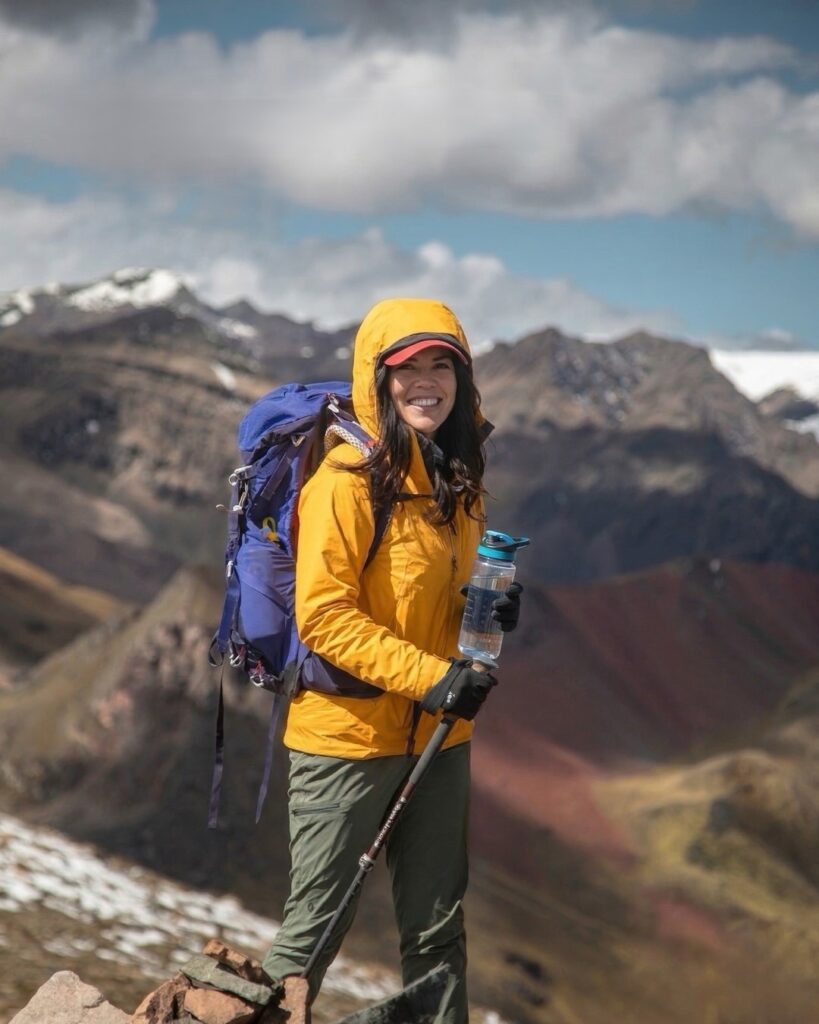
For the Classic Inca Trail, it is strongly recommended to train in advance with incline hiking, stair climbing, and regular cardio sessions to build endurance for multiple trekking days at high altitude.
For the Short Inca Trail, a general level of fitness is usually sufficient, although the altitude can still be challenging and should not be underestimated.
To help you acclimatize for either route:
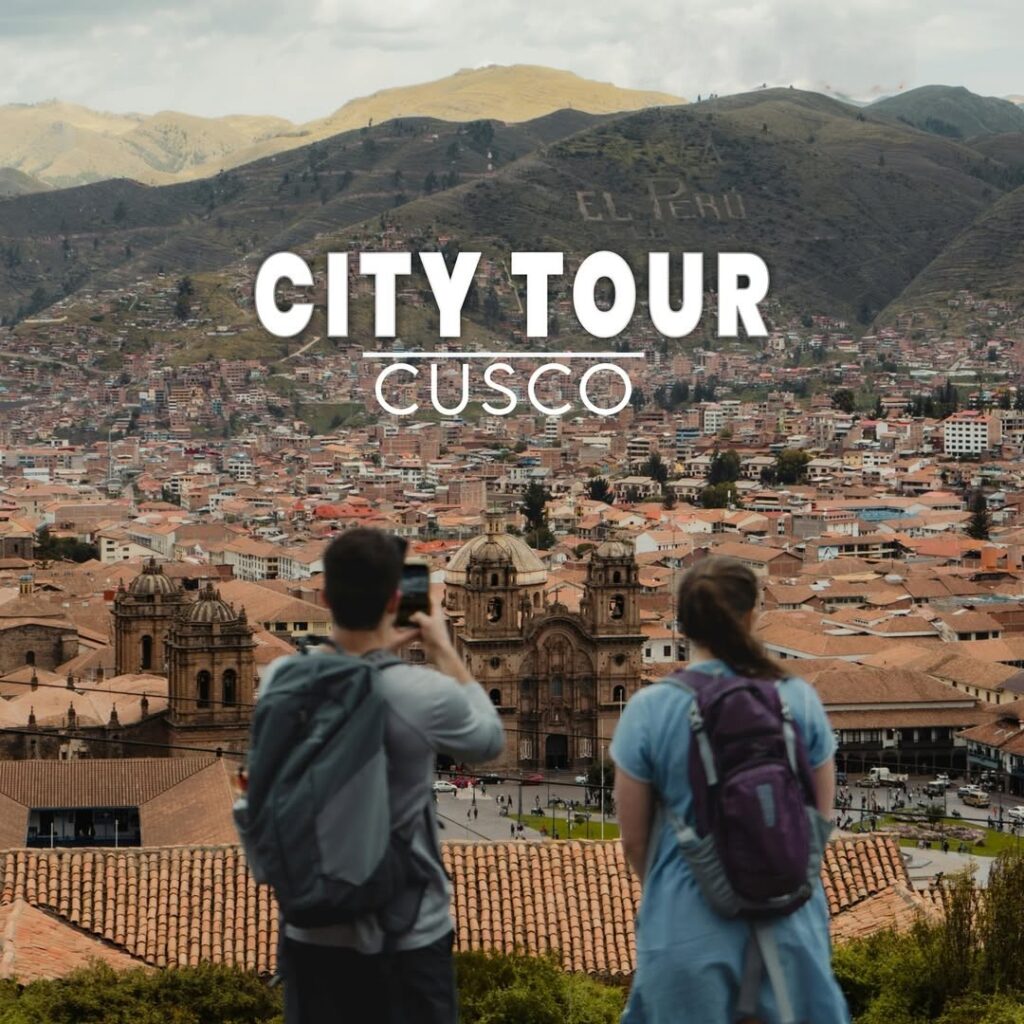
- Arrive in Cusco at least two days before your trek
- Drink plenty of water to stay well hydrated
- Keep activity light, allowing your body time to adjust
- Eat simple, light meals and avoid heavy or greasy foods
- Limit coffee intake and avoid alcohol during the first days at altitude
- Use altitude medication if recommended or necessary
Proper acclimatization significantly improves your comfort and overall trekking experience.


What To Pack
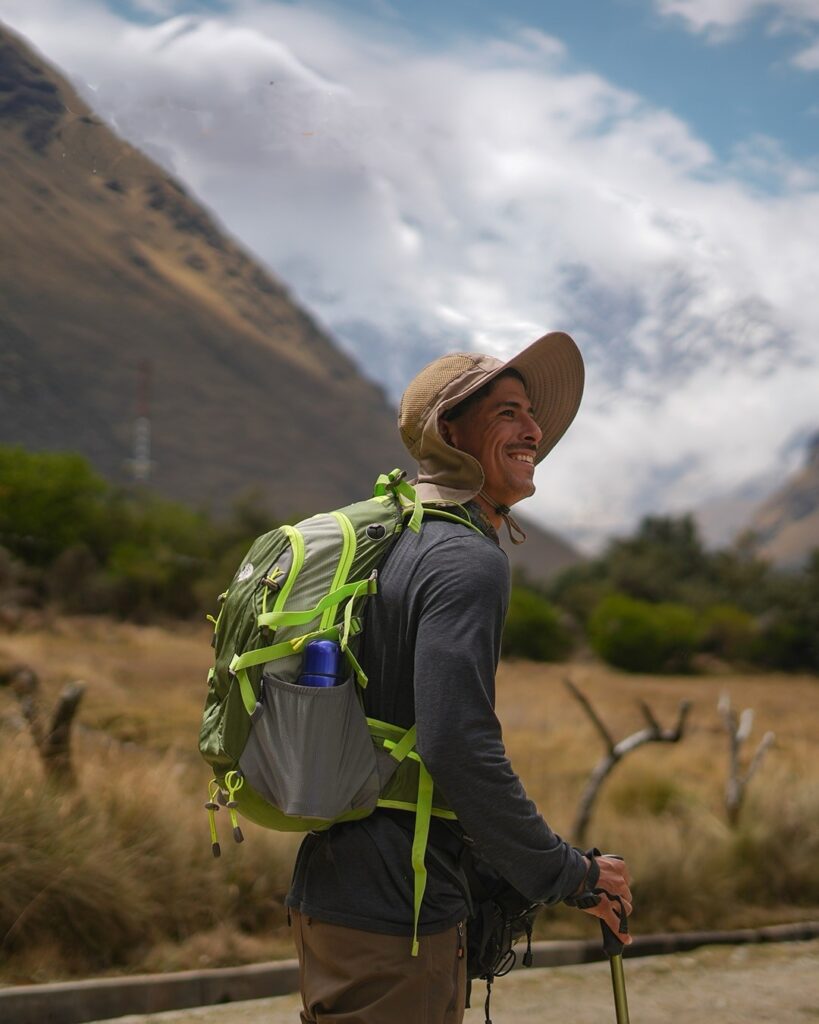
- Broken-in hiking boots for comfort and stability on uneven terrain
- Layered clothing, as mornings are cold and afternoons can be warm
- A waterproof rain jacket (essential in all seasons)
- Sunscreen, hat, and sunglasses for strong high-altitude sun exposure
- Personal medications and any essentials you may need
- Reusable water bottle to stay properly hydrated
Avoid overpacking keeping your gear light is key for a more comfortable trek. A complete packing list is usually available on the Salkantay Trekking website.
Booking in Advance
This is not the type of trip to plan casually.
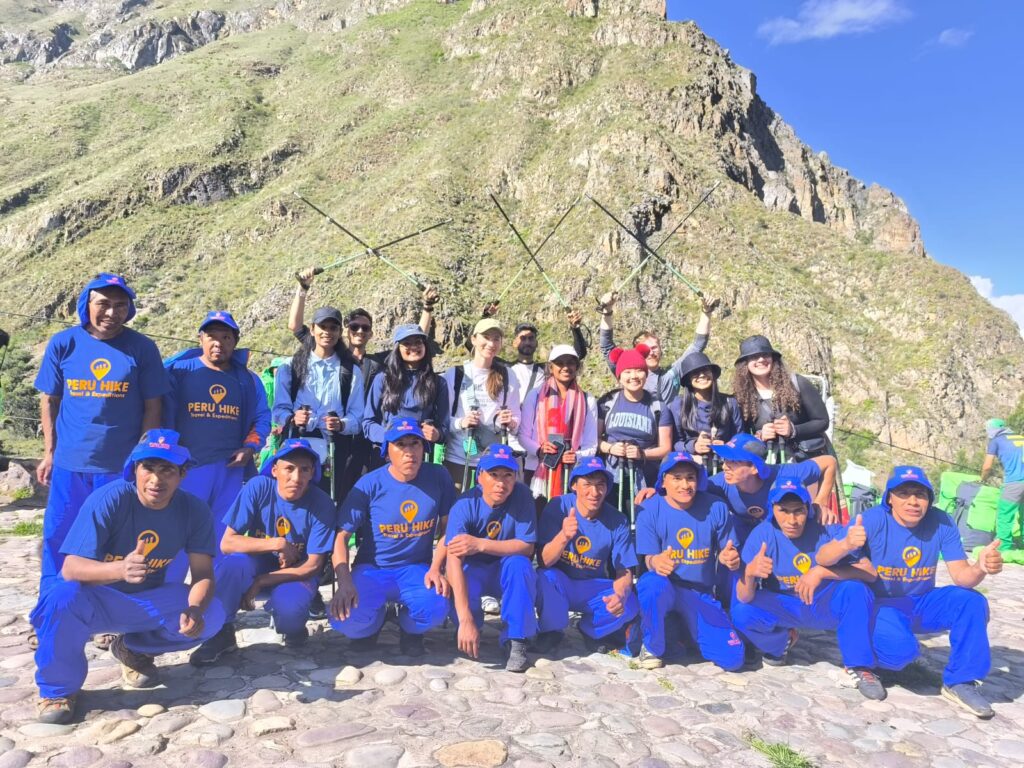
Permits, train arrangements, and Machu Picchu entry tickets are all strictly controlled and limited. Booking with a reputable operator ensures that your permits, schedules, transportation, and experienced guides are all managed smoothly and efficiently.
If walking the original Inca Trail is important to you, securing your space early is essential.
So, 2 Day vs 4 Day Inca Trail?
Here’s the honest answer.
If you want the full story the challenge, the altitude, the changing landscapes, and a gradual build-up toward Machu Picchu then the Classic Inca Trail is the right choice.
If you prefer the essence of the experience the ancient stone paths, Inca history, and the unforgettable Sun Gate arrival but in a shorter timeframe, then the Short Inca Trail is a smart and efficient option.
Both routes end at Machu Picchu. Both follow original Inca pathways. The real difference is how much time you want to spend experiencing the journey before reaching the destination.
Either way, it’s important not to wait too long. Permits are limited and availability changes quickly. Explore the different Inca Trail options and choose the one that best matches your travel style and timing.