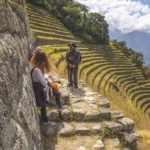





If you’re planning a trip to Cusco, the magical capital of the Inca Empire, it’s essential to understand the Cusco Tourist Ticket. This pass gives you access to the most important archaeological sites, museums, and cultural attractions in the region. But what exactly is it, and what is it for? In this complete guide, we explain everything you need to know to make the most of your visit to one of the most fascinating destinations in the world.
What is the Cusco Tourist Ticket?
The Cusco Tourist Ticket is an official pass that allows access to 16 archaeological and cultural sites in Cusco and the Sacred Valley, including iconic places such as Sacsayhuamán, Pisac, and Ollantaytambo.
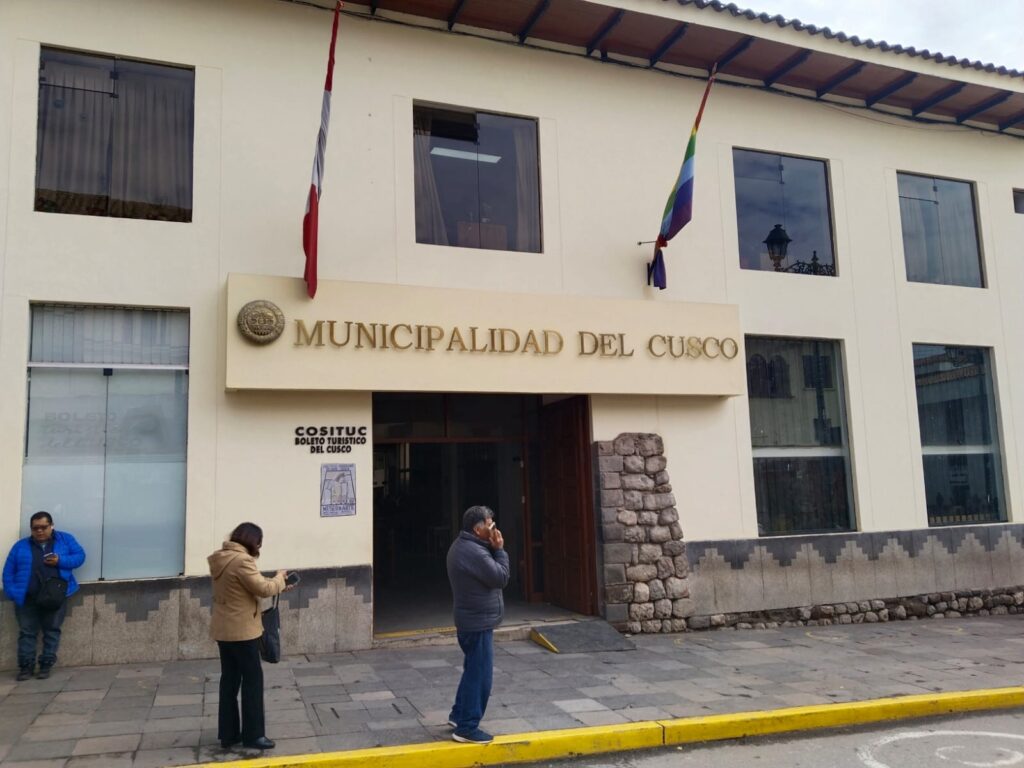
The full version is valid for approximately 10 days and costs 130 soles (around $38 USD). It must be purchased in person at the office of the Committee of Integrated Tourist Cultural Services of Cusco (COSITUC), located at Av. El Sol 103, or directly at some of the included sites.
It is a practical option for travelers who want to visit multiple attractions while optimizing time and budget.
Key Acronyms for the Cusco Tourist Ticket
Below is a list of acronyms you will see on your ticket so you can easily identify them and avoid confusion. We also include other key terms used throughout this guide.
| Acronym | Meaning |
| BTC | Cusco Tourist Ticket |
| COSITUC | Committee of Integrated Tourist Cultural Services of Cusco |
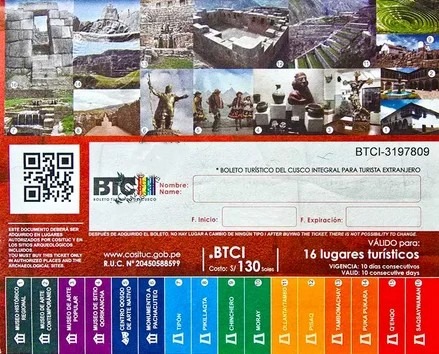
| BTCI | Full Cusco Tourist Ticket |
| BEE | Foreign Student Ticket |
| BTCPI | Partial Cusco Tourist Ticket I |
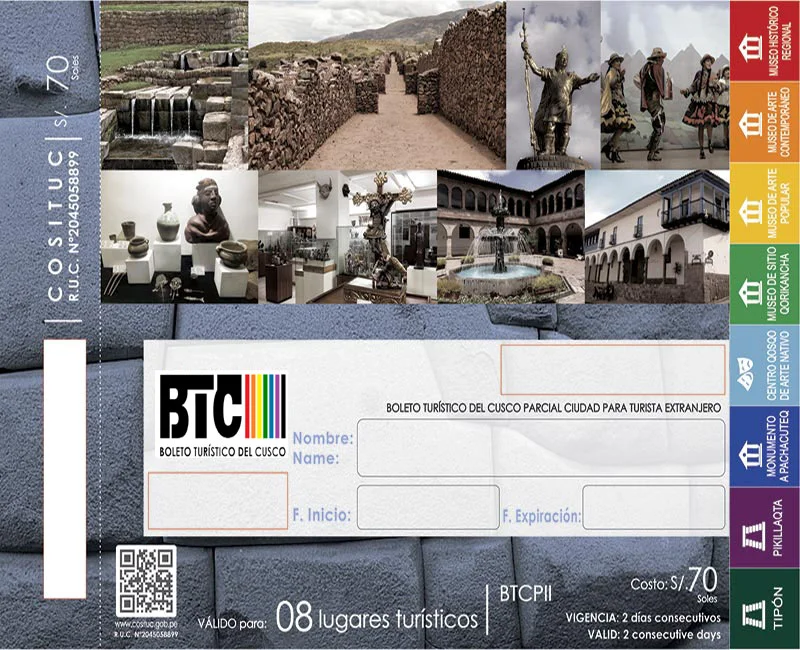
| BTCPII | Partial Cusco Tourist Ticket II |
| BTCPIII | Partial Cusco Tourist Ticket III |
| ISIC Card | International Student Identity Card |
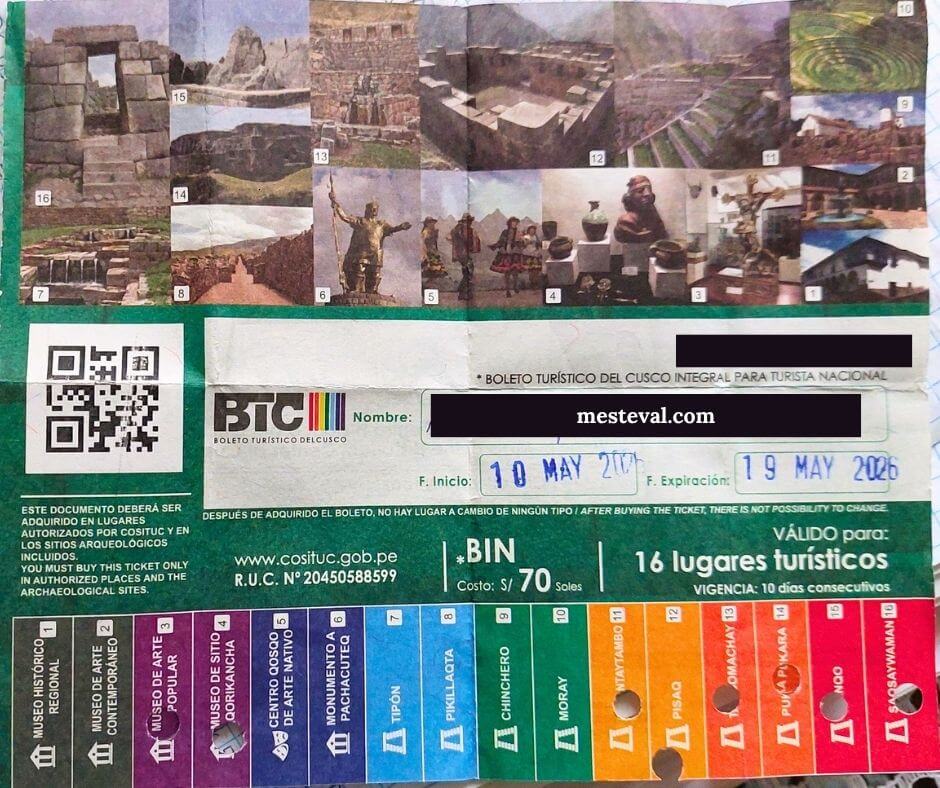
| BIN | National Full Ticket |
| BEN | National Student Ticket |
| BTCPS | Partial Cusco Ticket – Sacsayhuamán |
| BTCPC | Partial Cusco Ticket – City and South Valley |
| BTCPV | Partial Cusco Ticket – Sacred Valley |
Types and Prices of the Cusco Tourist Ticket
There are two main types of Cusco Tourist Tickets: the full ticket and the partial tickets. This classification applies to both national and foreign visitors.
1. Cusco Tourist Ticket – FOREIGN VISITORS
a. Full Ticket for Foreign Visitors
Full Cusco Tourist Ticket – BTCIPrice: S/. 130 ($38 USD)
Validity: 10 days
Included attractions: All 16 tourist sites
Required document: Passport
Foreign Student Ticket – BEEPrice: S/. 70 ($20 USD)
Validity: 10 days
Included attractions: All 16 tourist sites
Required document: Passport
Tip: This ticket is intended for travelers aged 10 to 17, who only need to present their ID. For those between 18 and 25, a valid student ID or ISIC card is required.
b. Partial Tickets for Foreign Visitors
Partial Ticket I – BTCPIPrice: S/. 70 ($20 USD)
Validity: 1 day
Included circuit: Circuit I – Sacsayhuamán
Required document: Passport
Partial Ticket II – BTCPIIPrice: S/. 70 ($20 USD)
Validity: 2 days
Included circuit: Circuit II – City and South Valley
Required document: Passport
Partial Ticket III – BTCPIIIPrice: S/. 70 ($20 USD)
Validity: 2 days
Included circuit: Circuit III – Sacred Valley
Required document: Passport
BTC Price Table – Foreign Visitors
| Ticket Type | Validity | Regular Price |
| Full Ticket (BTCI) | 10 days | S/. 130.00 |
| Students / Children | 10 days | S/. 70.00 |
| Partial Tickets | ||
| Circuit I (Sacsayhuamán) | 1 day | S/. 70.00 |
| Circuit II (City & South Valley) | 2 days | S/. 70.00 |
| Circuit III (Sacred Valley) | 2 days | S/. 70.00 |
Note: Payments made by card, Plin, or Yape are subject to a 3.15% fee. Only Visa and Mastercard are accepted.
2. Promotional Cusco Tourist Ticket – PERUVIAN VISITORS
a. Full Ticket for Peruvians
Full Ticket – BINPrice: S/. 70 ($20 USD)
Validity: 10 days
Included attractions: All 16 tourist sites
Required document: National ID (DNI)
Student Ticket – BENPrice: S/. 40 ($11 USD)
Validity: 10 days
Included attractions: All 16 tourist sites
Required document: National ID (DNI)
Tip: This ticket is for travelers aged 10 to 17 (ID required). Those between 18 and 25 must present a valid university student ID.
b. Partial Tickets for Peruvians
Partial Ticket I – BTCPSPrice: S/. 40 ($11 USD)
Validity: 1 day
Included circuit: Circuit I – Sacsayhuamán
Required document: DNI
Partial Ticket II – BTCPCPrice: S/. 70 ($20 USD)
Validity: 2 days
Included circuit: Circuit II – City and South Valley
Required document: DNI
Partial Ticket III – BTCPVPrice: S/. 70 ($20 USD)
Validity: 2 days
Included circuit: Circuit III – Sacred Valley
Required document: DNI
BTC Price Table – Peruvian Visitors
| Ticket Type | Validity | Regular Price |
| Full Ticket | 10 days | S/. 70.00 |
| Students / Children | 10 days | S/. 40.00 |
| Partial Tickets | ||
| Circuit I (Sacsayhuamán) | 1 day | S/. 40.00 |
| Circuit II (City & South Valley) | 2 days | S/. 40.00 |
| Circuit III (Sacred Valley) | 2 days | S/. 40.00 |
Note: Payments made by card, Plin, or Yape are subject to a 3.15% fee. Only Visa and Mastercard are accepted.
Partial Tourist Ticket Circuits: What Places Are Included?
1. Circuit I (Sacsayhuamán)
This circuit includes 4 archaeological sites from the Cusco Tourist Ticket: Sacsayhuamán, Qenqo, Puca Pucara, and Tambomachay.
2. Circuit II (Cusco City and South Valley)
This circuit includes 8 tourist attractions: 4 museums, 1 historical monument, 1 folklore performance center, the Tipón archaeological site, and the Pikillaqta archaeological site.
3. Circuit III (Sacred Valley)
This circuit includes 4 archaeological sites from the Cusco Tourist Ticket: Pisac, Chinchero, Ollantaytambo, and Moray.
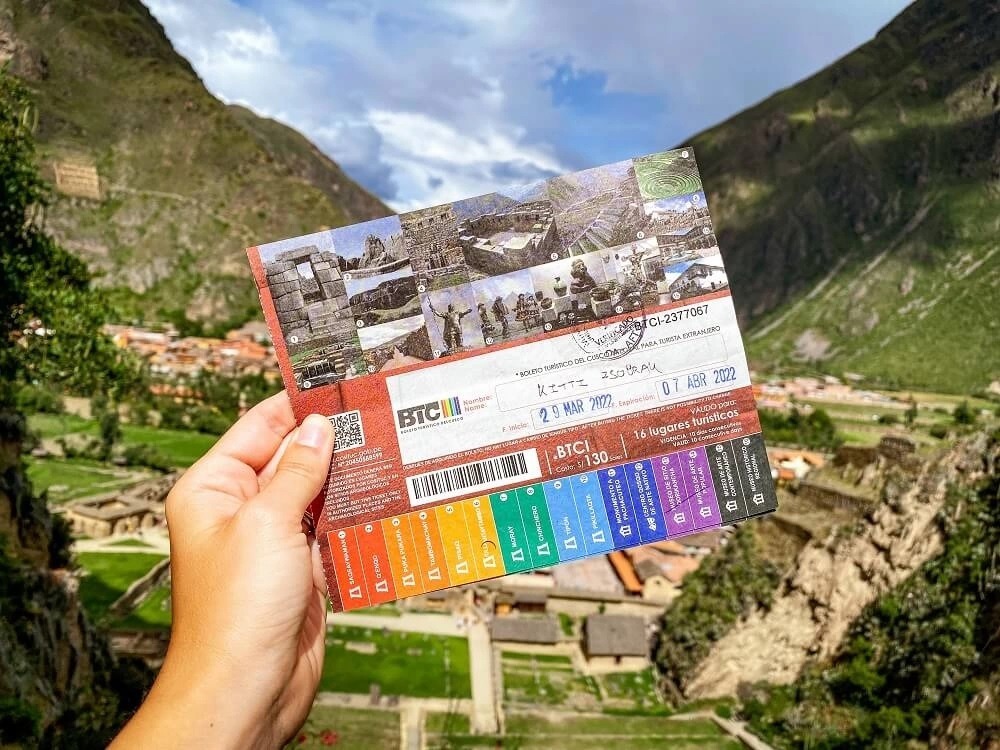
Where to Buy the Cusco Tourist Ticket?
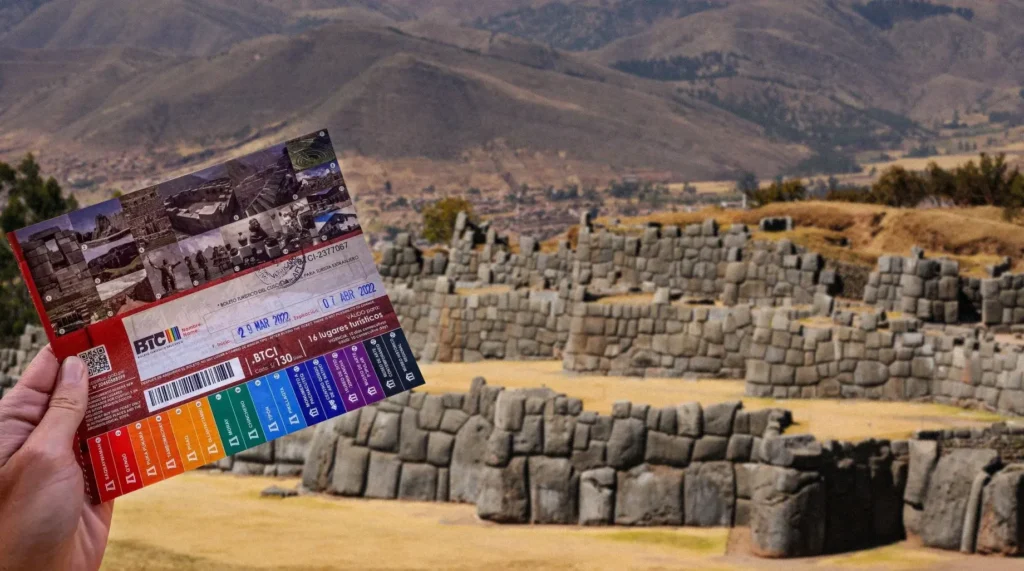
COSITUC is the official institution responsible for selling the Cusco Tourist Ticket (BTC). You can purchase it at the following authorized locations:
Main Office (COSITUC)
- Address: Galerías Turísticas, Av. El Sol 103, office 101
- Opening hours: Monday to Friday from 8:00 a.m. to 5:30 p.m., and Saturdays from 9:00 a.m. to 12:00 p.m.
At Archaeological Sites and Tourist Attractions
You can also purchase the ticket directly at the entrance of several included sites, such as Sacsayhuamán, Pisac, Ollantaytambo, or Chinchero. This option can be convenient if you are already visiting these places.
However, keep in mind that not all locations have the same opening hours or accept all payment methods (many only accept cash). During peak hours, you may also encounter lines or delays. For a smoother experience, it is best to purchase your ticket in advance at the main office before starting your visits.
Note: You can also buy your Tourist Ticket at the COSITUC office on Garcilaso Street. However, this location is not always open. To avoid issues, we recommend purchasing directly at the main office.
Recommendations Before Buying Your Tourist Ticket
- Check validity: It varies depending on the type of ticket (partial or full).
- Single-use access: The ticket can only be used once per attraction.
- No extras included: It does not include services such as tour guides or transportation.
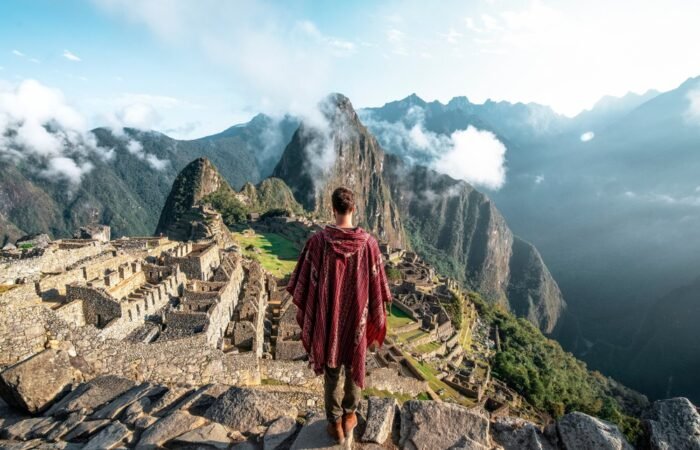
- Does not include Machu Picchu: The ticket only covers attractions in Cusco city, the South Valley, and the Sacred Valley. Machu Picchu must be purchased separately.
- Plan your itinerary: Review the included attractions and organize your visit accordingly.
- Bring your ID: You must present identification when entering sites.
- Respect opening hours: Some sites have specific entry times.
- Consider hiring a guide: A local guide can enhance your experience with deeper insights.
- Protect your ticket: It cannot be replaced if lost or damaged.
- Take your time: Don’t try to visit everything in one day—enjoy each place fully.
Travel Tip: If it’s your first time in Cusco, we recommend booking a tour that includes the Tourist Ticket attractions. This way, you avoid logistical hassles and can simply enjoy the experience.
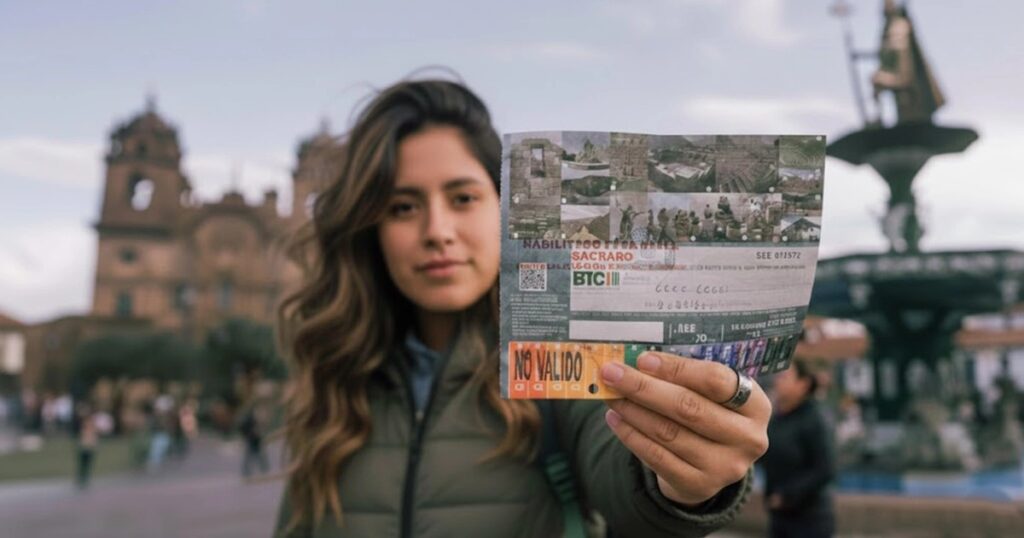
Common Mistakes When Buying Your Ticket
Even though the Cusco Tourist Ticket is easy to purchase, many travelers make mistakes that can affect their experience. These are the most common ones to avoid:
- Buying the wrong type of ticket
- Not planning according to the ticket’s validity
- Assuming it includes all attractions in Cusco
- Not bringing your ID or passport
- Trying to reuse or transfer the ticket
- Buying from unofficial sellers or without clear information
- Not considering payment methods
- Underestimating travel time between sites
Attractions Included in the Cusco Tourist Ticket
Sacsayhuamán Archaeological Park
- Location: About 2 km (1.2 miles) northeast of Cusco’s Main Square.
- Climate & Altitude: Mild and dry, with two distinct seasons: dry season (April–October) and rainy season (November–March). Located at 3,700 m (12,139 ft).
- Opening hours: Monday to Sunday, 7:00 a.m. to 6:00 p.m.
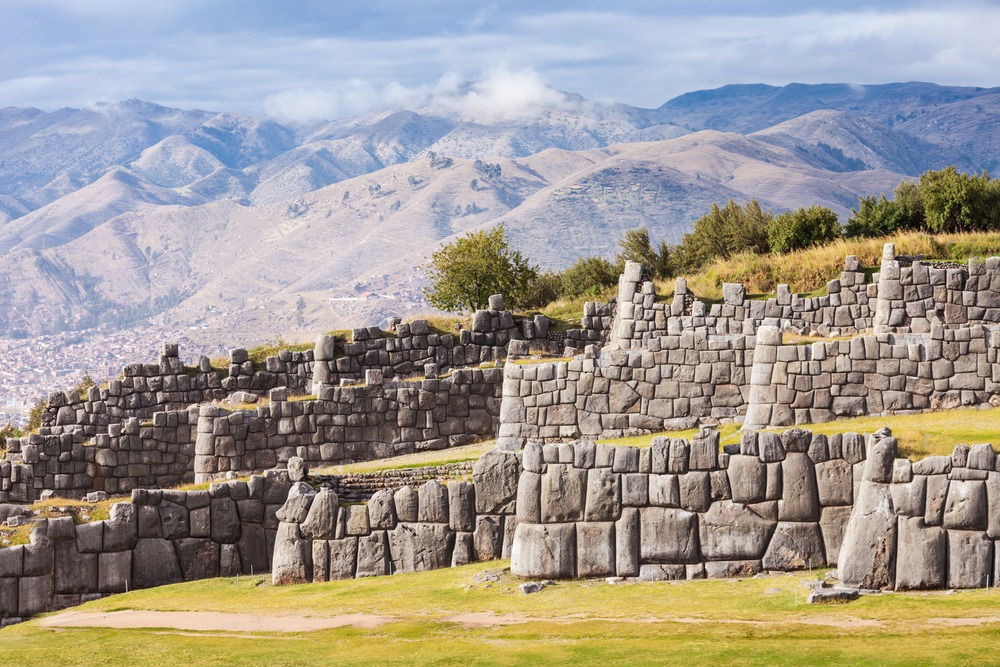
- Meaning & History: Sacsayhuamán is an impressive Inca ceremonial fortress built in the 15th century under the rule of Inca Pachacútec. Its name in Quechua means “satisfied falcon” or “place where the falcon is satisfied.”
It served as a strategic military, religious, and administrative center, and its construction is believed to have taken over 70 years. It is made up of massive limestone blocks, some weighing over 100 tons, fitted together with remarkable precision.
Qenqo Archaeological Site
- Location: 4 km (2.5 miles) northeast of Cusco, near Sacsayhuamán.
- Altitude: 3,600 m (11,811 ft)
- Opening hours: Monday to Sunday, 7:00 a.m. to 6:00 p.m.
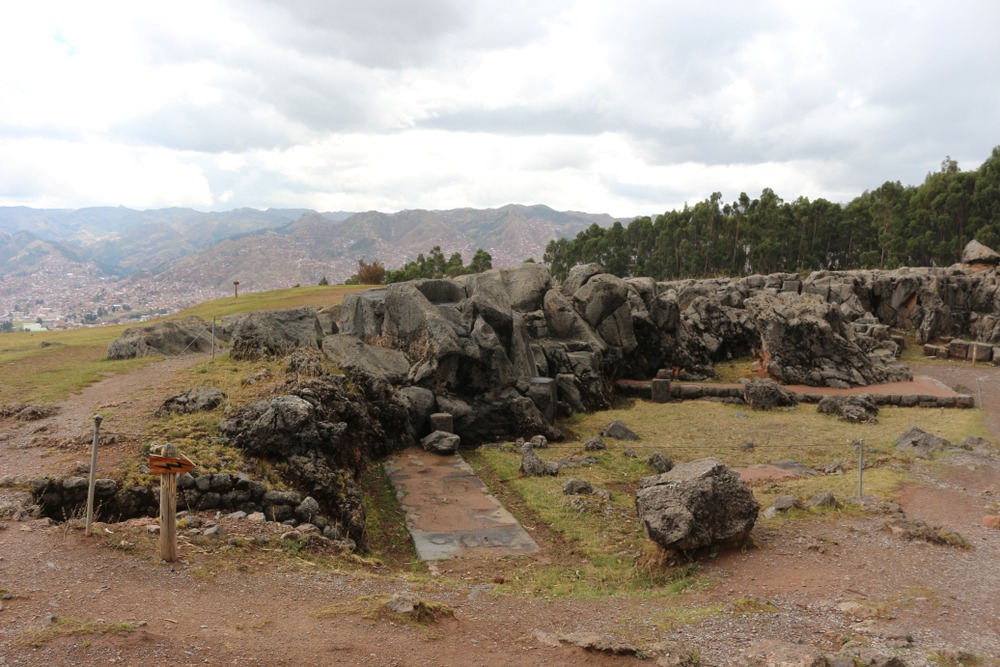
- Meaning & History: Qenqo was an Inca ceremonial center dedicated to religious and astronomical rituals. Its name means “labyrinth” in Quechua, due to its underground passages and carved rock channels.
Puka Pukara Archaeological Site
- Location: 7 km (4.3 miles) northeast of Cusco, near Tambomachay.
- Altitude: 3,770 m (12,369 ft)
- Opening hours: Monday to Sunday, 7:00 a.m. to 6:00 p.m.
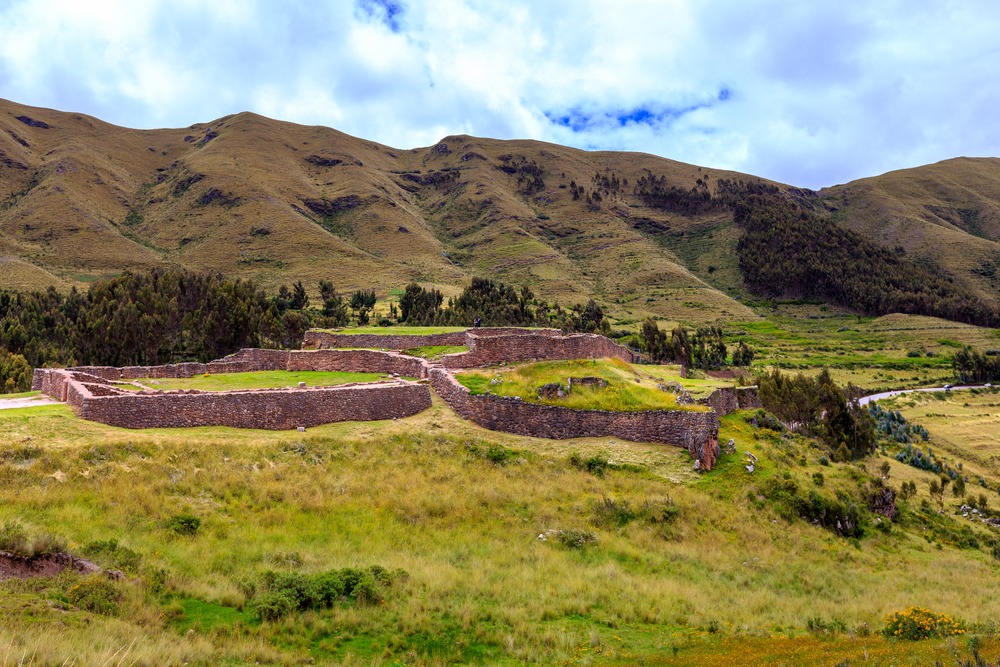
- Meaning & History: Puka Pukara, meaning “red fortress” in Quechua, was an Inca military and administrative site. It also served as lodging for travelers and a checkpoint along the roads.
Tambomachay Archaeological Site
- Location: 8 km northeast of Cusco, near Puka Pukara.
- Altitude: 3,800 m (12,467 ft)
- Opening hours: Monday to Sunday, 7:00 a.m. to 6:00 p.m.
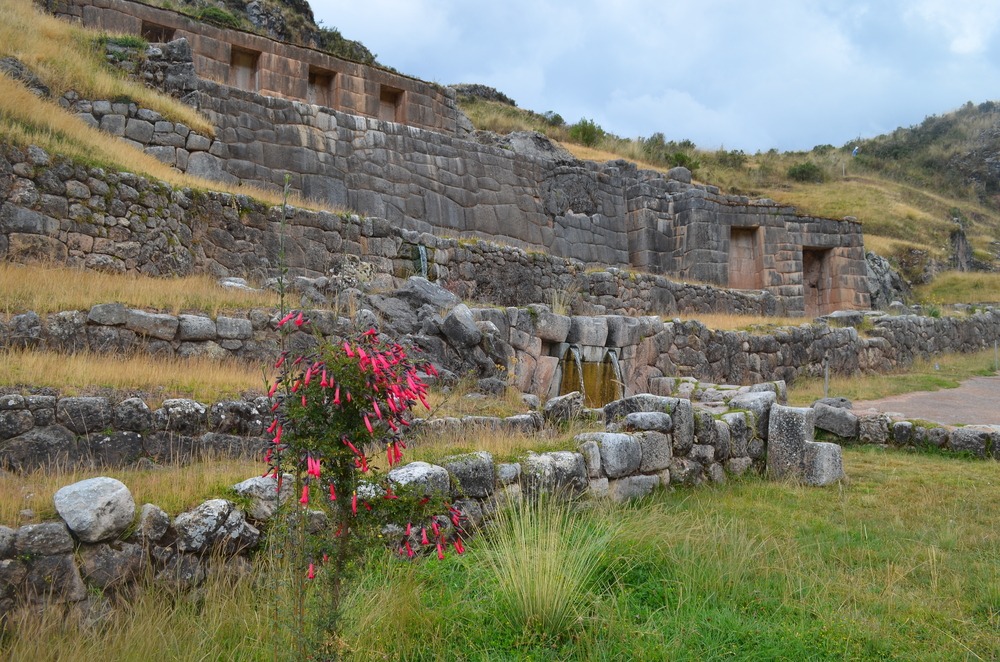
- Meaning & History: Tambomachay was a ceremonial center dedicated to water worship and a resting place for the Inca. Its name means “place of rest” in Quechua.
Qoricancha Site Museum
- Location: Inside the Santo Domingo Convent, built over the Qoricancha temple in downtown Cusco.
- Altitude: 3,390 m (11,122 ft)
- Opening hours: Monday to Saturday, 8:30 a.m. to 5:30 p.m.
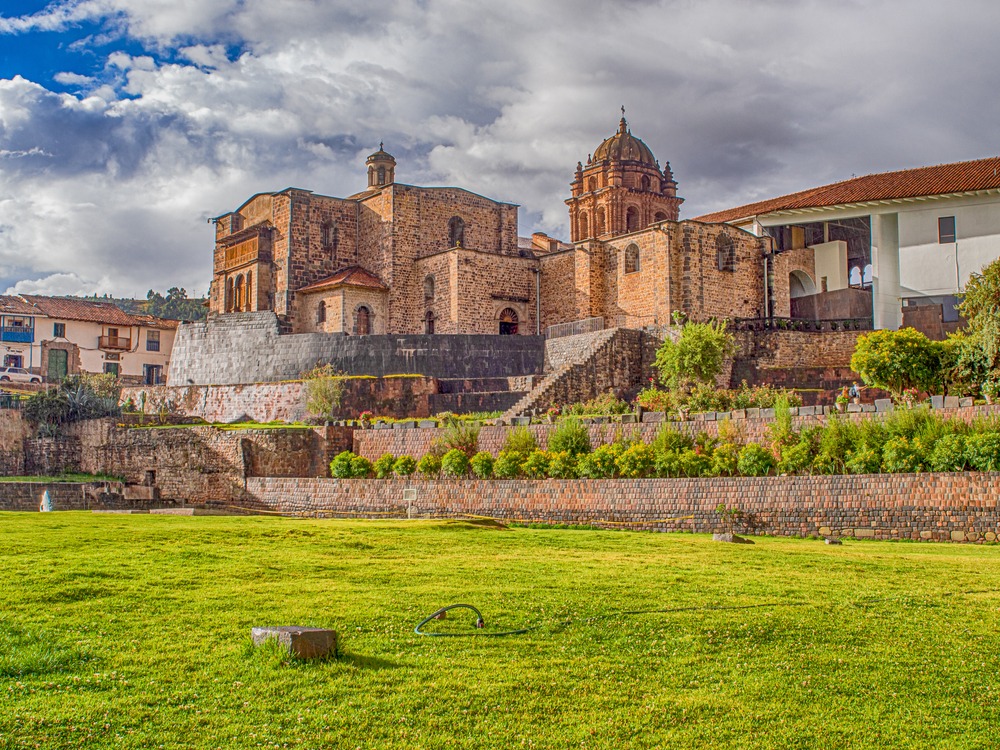
- Meaning & History: Qoricancha was the most important temple of the Inca Empire, dedicated to the Sun. The museum displays archaeological artifacts and explains the history of the temple and its transformation during the colonial period.
Note: The Cusco Tourist Ticket includes access only to the Qoricancha Museum, not the main temple. If you wish to visit it, you must purchase a separate ticket on-site.
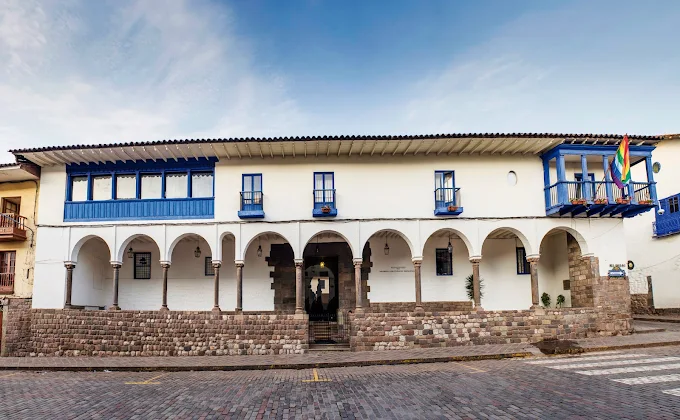
Cusco Regional Historical Museum
- Location: Casa Garcilaso, near Cusco’s Main Square.
- Altitude: 3,399 m (11,151 ft)
- Opening hours: Monday to Sunday, 8:00 a.m. to 5:00 p.m.
- Meaning & History: This museum houses a collection of pre-Hispanic, colonial, and republican artifacts that tell the story of the Cusco region.
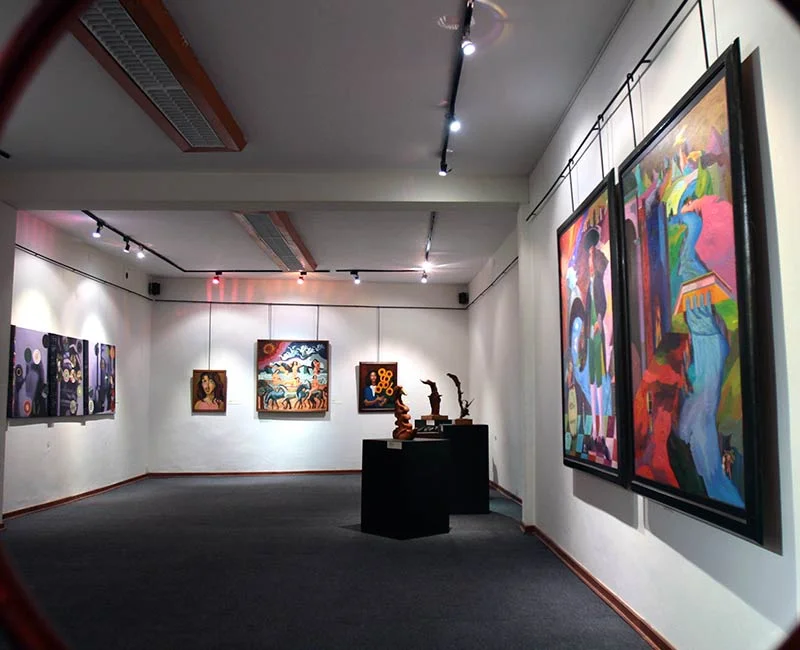
Contemporary Art Museum
- Location: Inside Cusco’s City Hall (Municipality), at Plaza Regocijo, just a few meters from the main square.
- Altitude: 3,399 m (11,151 ft)
- Opening hours: Monday to Saturday, 9:00 a.m. to 6:30 p.m.
- Meaning & History: It features works by contemporary Peruvian and international artists, with a focus on Andean culture.
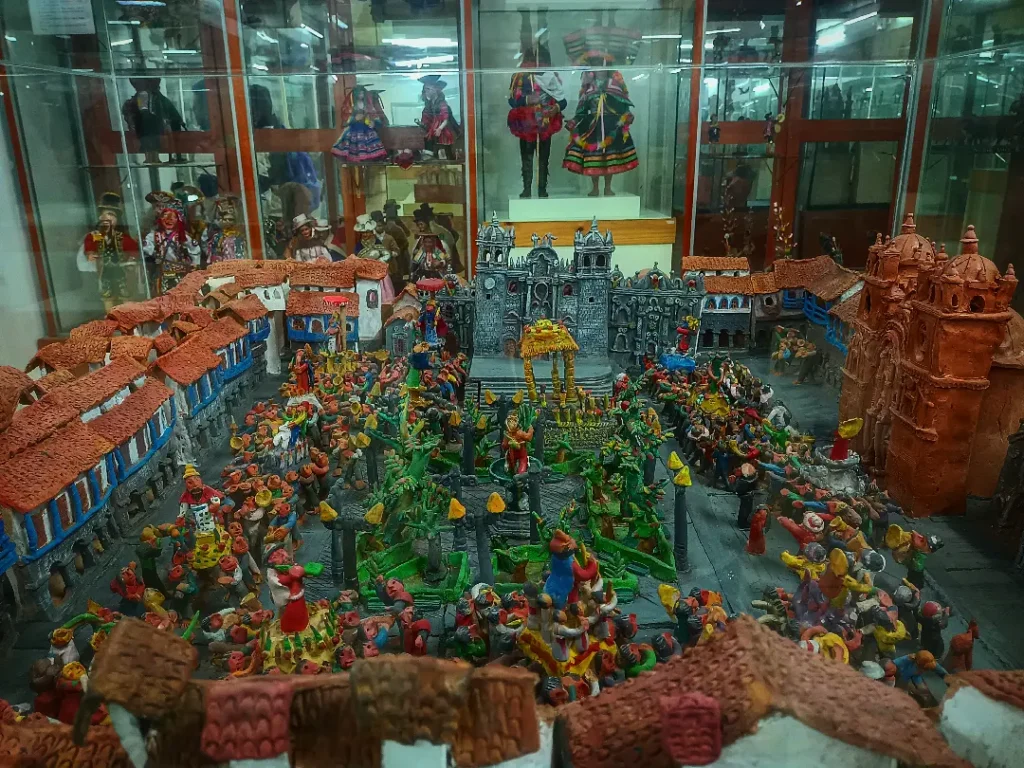
Popular Art Museum
- Location: Avenida El Sol, Cusco.
- Altitude: 3,399 m (11,151 ft)
- Opening hours: Monday to Sunday, 8:00 a.m. to 6:00 p.m.
- Meaning & History: This museum is dedicated to preserving and showcasing traditional folk art from the Cusco region, including ceramics, textiles, wood carvings, and other artistic expressions that reflect Andean culture.
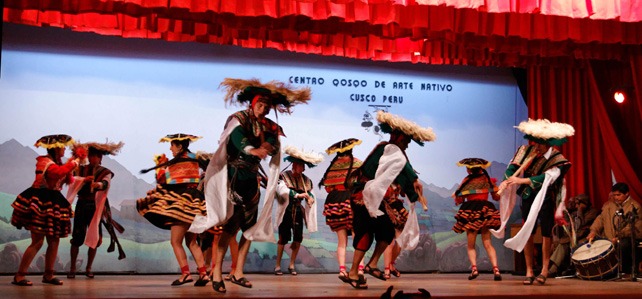
Qosqo Native Art Center
- Location: Avenida El Sol 872, Cusco.
- Altitude: 3,399 m (11,151 ft)
- Opening hours: Evening shows, usually at 6:30 p.m.
- Meaning & History: Offers daily performances of traditional folk dances from the region.
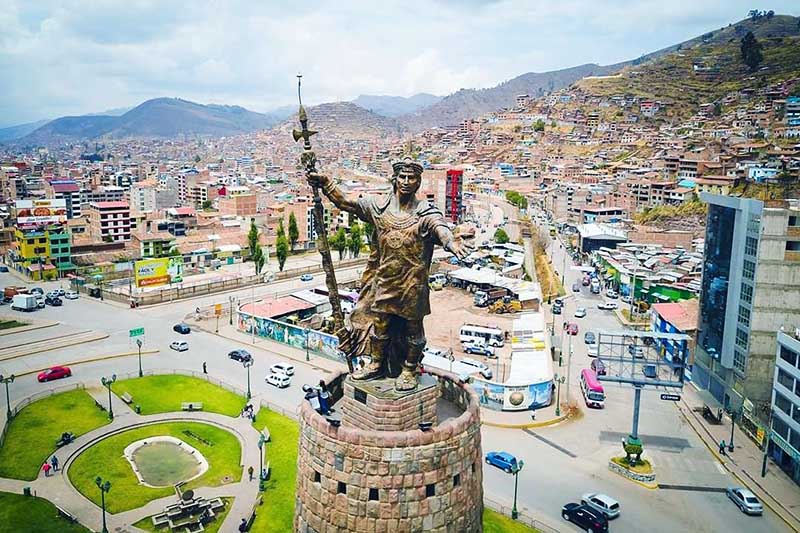
Pachacútec Monument
- Location: Along Av. El Sol, at the Pachacútec roundabout.
- Altitude: 3,399 m (11,151 ft)
- Opening hours: 9:00 a.m. to 7:00 p.m.
- Meaning & History: This monument honors Pachacútec, the Inca ruler who expanded the empire and built Machu Picchu. It also functions as a museum and offers panoramic views of the city.
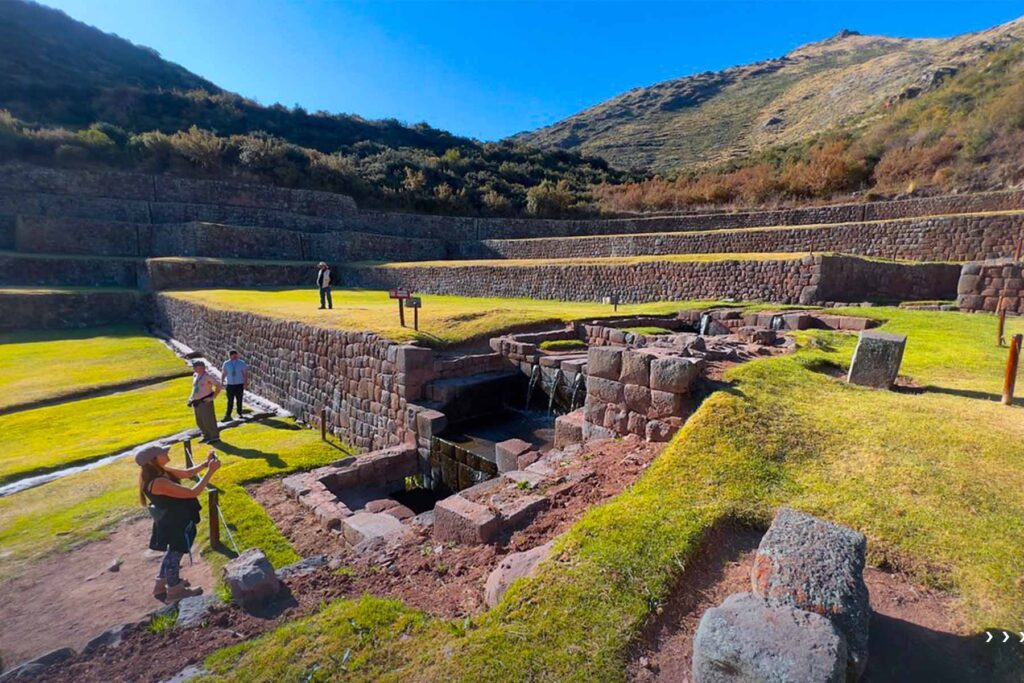
Tipón Archaeological Park
- Location: 23 km (14.3 miles) southeast of Cusco.
- Altitude: 3,560 m (11,679 ft)
- Opening hours: Monday to Sunday, 7:00 a.m. to 6:00 p.m.
- Meaning & History: Tipón is an Inca agricultural complex with terraces, canals, and water fountains. It is believed to have been an agricultural experimentation center.
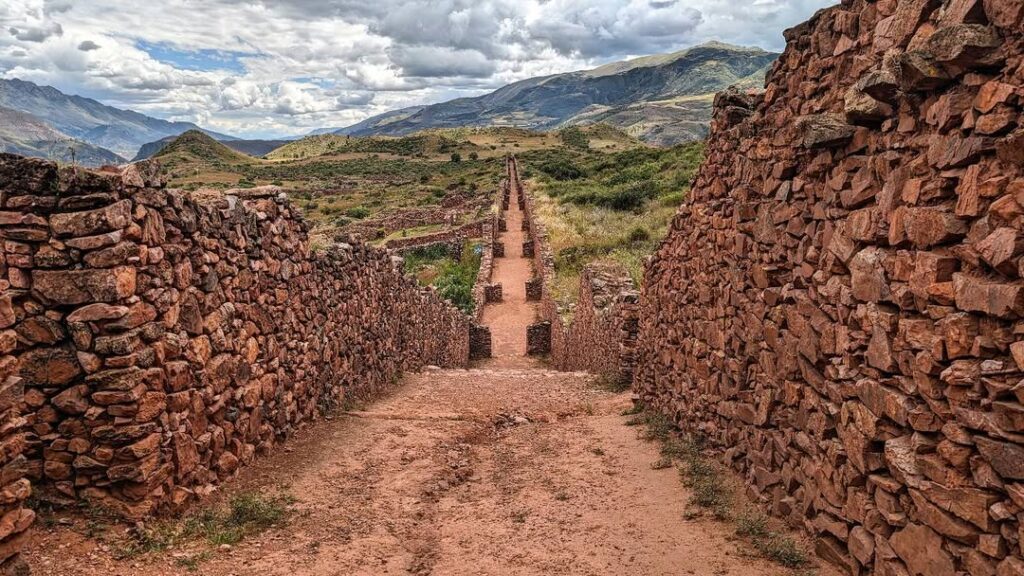
Pikillacta Archaeological Park
- Location: 30 km (18.6 miles) southeast of Cusco.
- Climate & Altitude: Mild climate, located at 3,250 m (10,662 ft).
- Opening hours: Monday to Sunday, 7:00 a.m. to 6:00 p.m.
- Meaning & History: Pikillacta was a pre-Inca city built by the Wari culture. It is one of the few examples of planned urban design in ancient Peru.
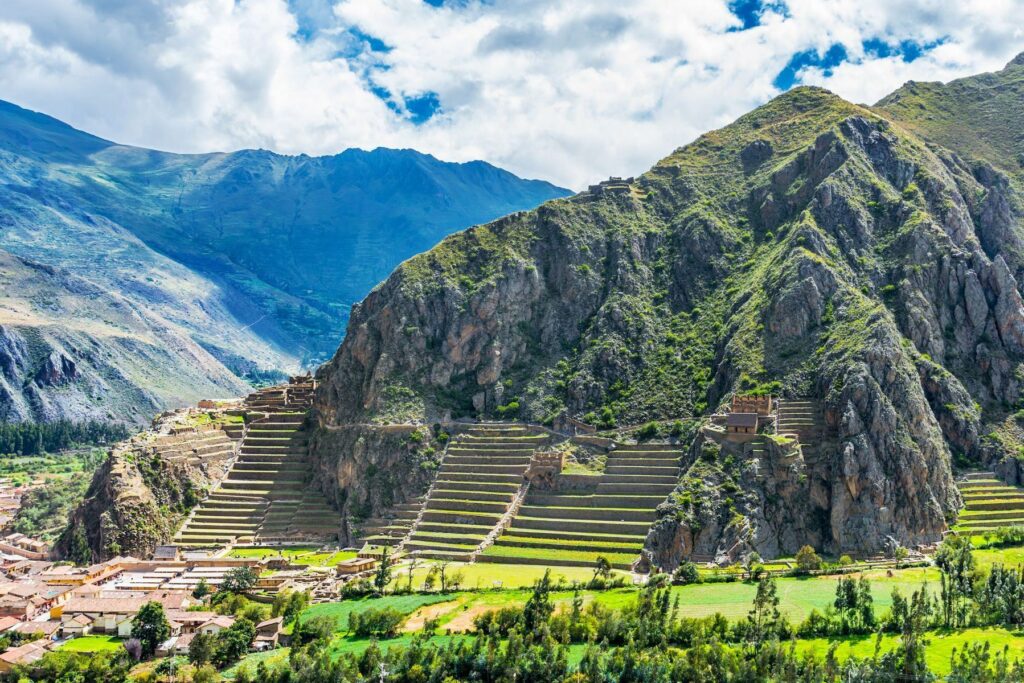
Ollantaytambo Archaeological Park
- Location: In the Sacred Valley, 60 km (37 miles) northwest of Cusco.
- Altitude: 2,792 m (9,160 ft)
- Entry type: Circuit III (Partial Ticket) or Full Ticket
- Opening hours: Monday to Sunday, 7:00 a.m. to 6:00 p.m.
- Meaning & History: It was an Inca military, religious, and agricultural center, known for its fortress and massive terraces.
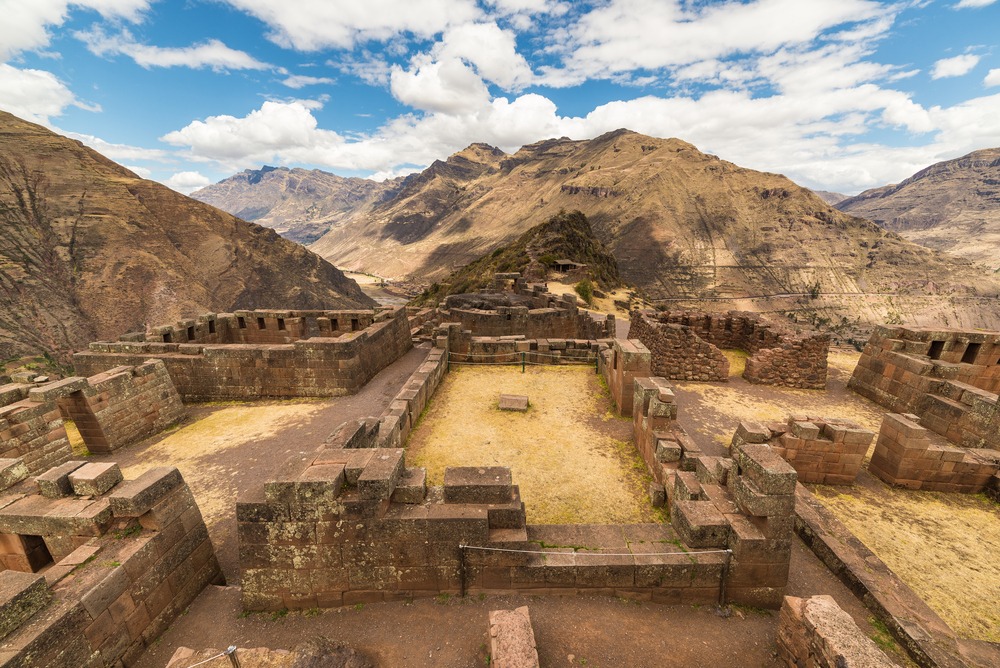
Pisac Archaeological Park
- Location: In the Sacred Valley, 33 km (20.5 miles) northeast of Cusco.
- Altitude: 3,440 m (11,286 ft)
- Opening hours: Monday to Sunday, 7:00 a.m. to 5:00 p.m.
- Meaning & History: Pisac is known for its agricultural terraces, temples, and Inca cemetery. It was an important administrative and religious center.
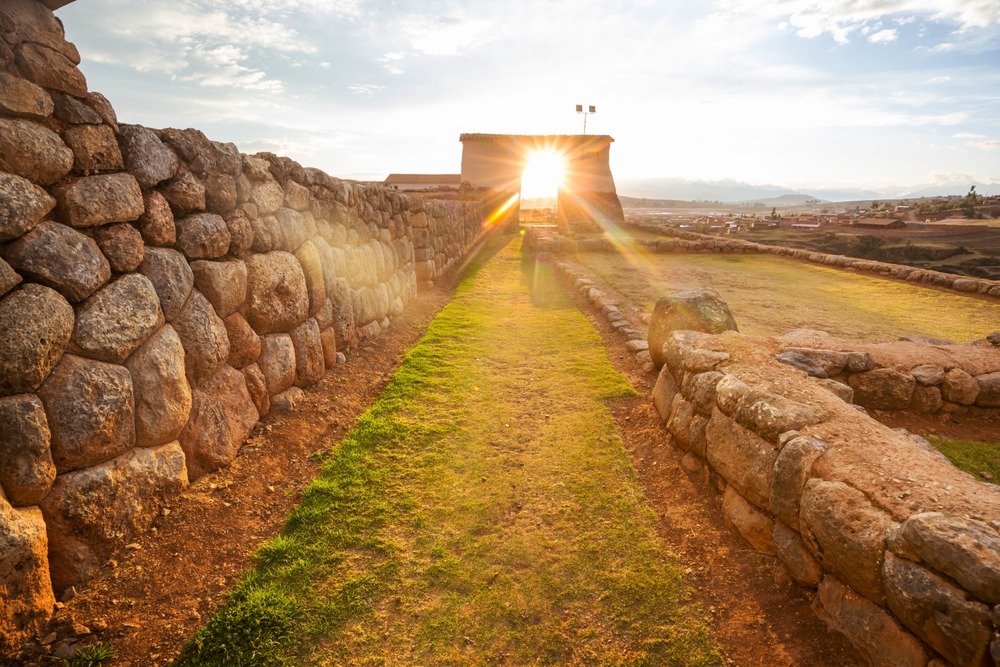
Chinchero Archaeological Park
- Location: 28 km (17.4 miles) northwest of Cusco.
- Altitude: 3,762 m (12,342 ft)
- Opening hours: Monday to Sunday, 7:00 a.m. to 5:00 p.m.
- Meaning & History: Chinchero was an Inca agricultural and religious center, known for its terraces and colonial church built on Inca foundations.
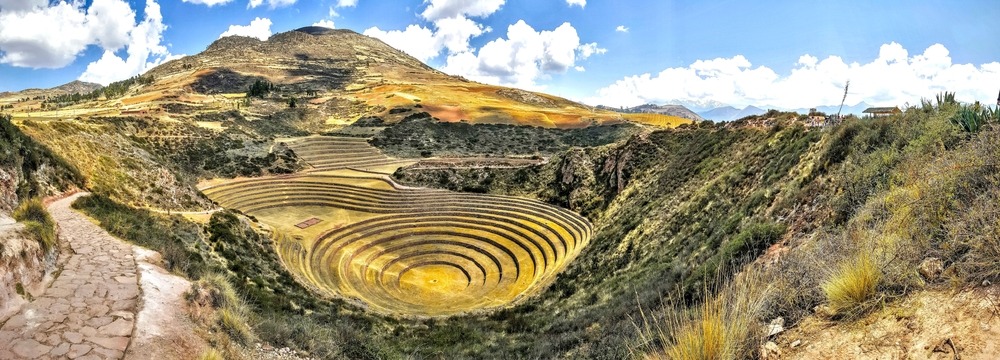
Moray Archaeological Park
- Location: 50 km (31 miles) northwest of Cusco, in the Sacred Valley.
- Altitude: 3,385 m (11,106 ft)
- Opening hours: Monday to Sunday, 7:00 a.m. to 6:00 p.m.
- Meaning & History: Moray consists of circular terraces believed to have been an Inca agricultural laboratory used to experiment with crops at different altitudes.
Note: Opening hours are subject to change.
Cusco Tourist Ticket: Attractions Included by Ticket Type
| Ticket Type | Tourist Attractions |
| Full Tourist Ticket | Sacsayhuamán, Qenqo, Puca Pucara, Tambomachay, Contemporary Art Museum, Regional Historical Museum, Popular Art Museum, Qoricancha Site, Museum Qosqo Native Art Center, Pachacútec Monument, Pikillaqta, Tipón, Pisac, Ollantaytambo, Chinchero and Moray |
| Partial Tourist Ticket: Circuit I – City Tour | Sacsayhuamán, Qenqo, Puca Pucara and Tambomachay |
| Partial Tourist Ticket: Circuit II – City + South Valley | Contemporary Art Museum, Regional Historical Museum, Popular Art Museum, Qoricancha Site, MuseumQosqo Native Art Center, Pachacútec Monument, Pikillaqta and Tipón |
| Partial Tourist Ticket: Circuit III – Sacred Valley | Pisac, Ollantaytambo, Chinchero and Moray |
Which Attractions Are NOT Included in the Cusco Tourist Ticket?
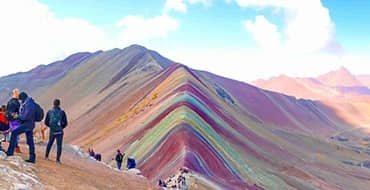
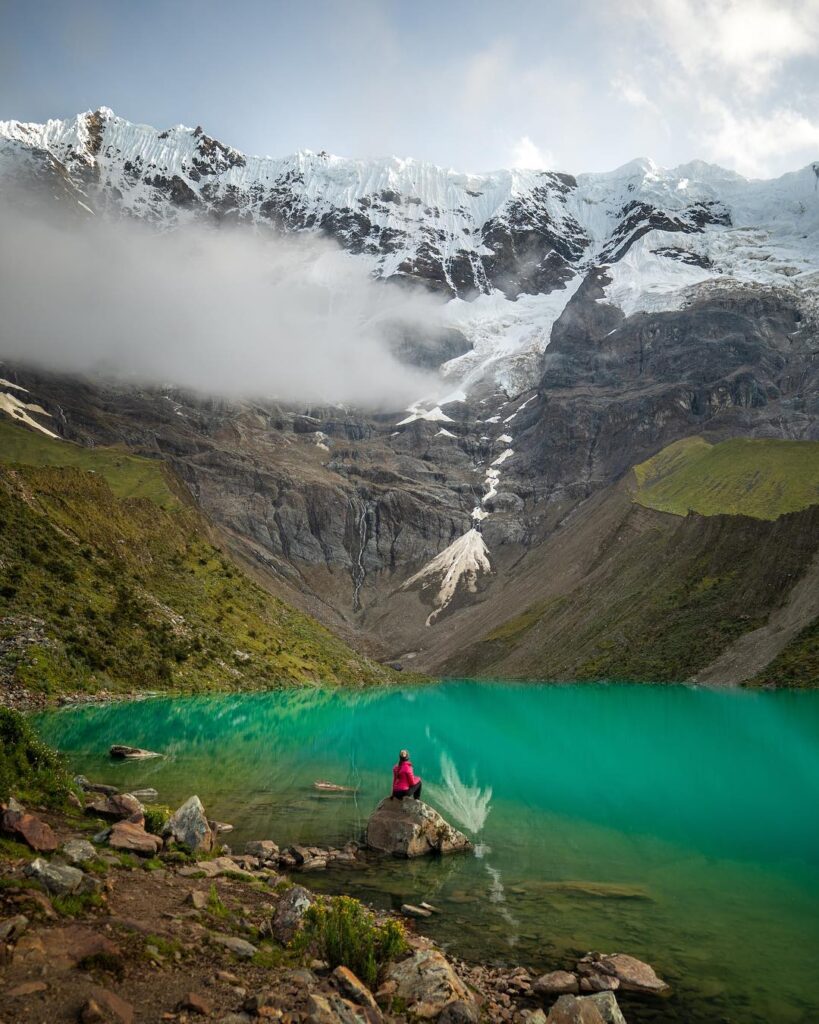
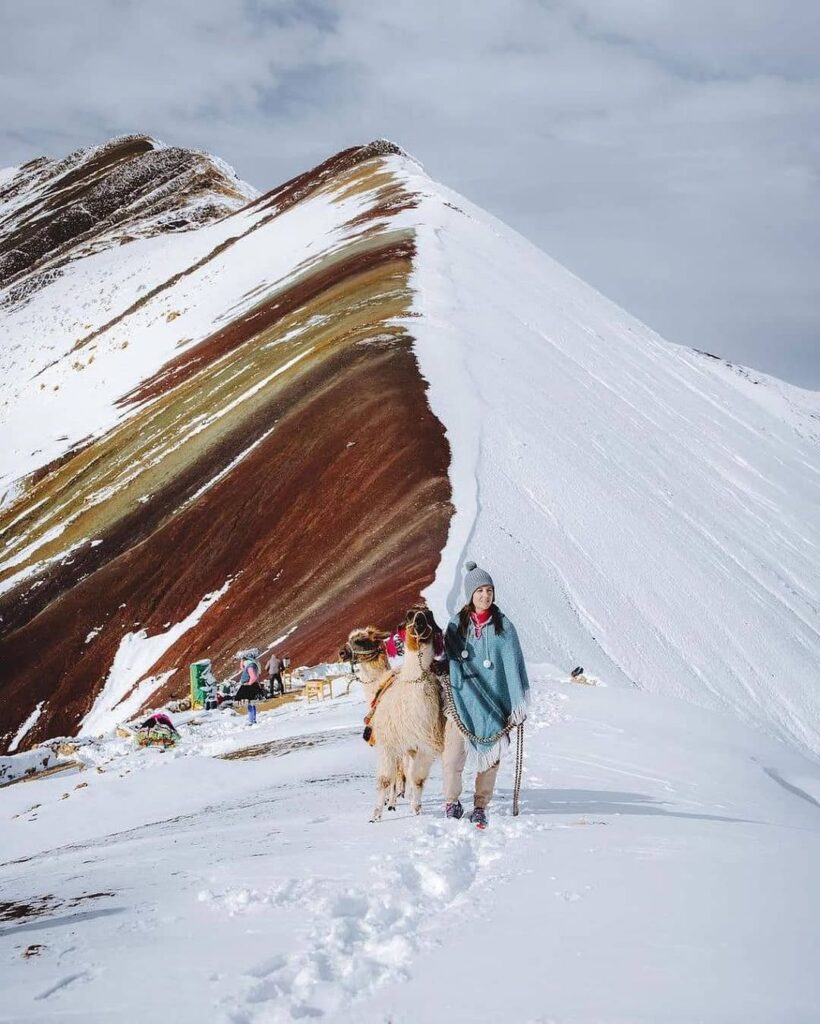
Although the Cusco Tourist Ticket includes a wide range of archaeological sites, museums, and cultural centers, there are other iconic destinations in the region that are not covered. These include Machu Picchu, Rainbow Mountain (Vinicunca), Humantay Lake, the Maras Salt Mines, and some temples such as Cusco Cathedral. These sites require separate entrance tickets.
To visit these attractions, you can purchase tickets directly from official sources or, more conveniently, choose organized tours that include transportation, a guide, and ticket arrangements. This is a great option if you want to save time and avoid logistical hassles, especially for high-demand destinations like Machu Picchu.
Frequently Asked Questions about the Cusco Tourist Ticket
1. Where can I buy the Cusco Tourist Ticket?
The Cusco Tourist Ticket can be purchased at various authorized ticket offices throughout the city of Cusco. Additionally, several sites included in the ticket have their own sales points. It is advisable to buy the ticket in person to avoid any issues, but some authorized vendors also offer online purchase options.
2. What sites are included in the Cusco Tourist Ticket?
The ticket grants access to several archaeological sites and museums, including Sacsayhuamán, Qenqo, Puca Pucara, Tambomachay, and various museums in the city. Tourists should check the official list of sites included as this can vary between the partial and the full tickets.
3. How long is the ticket valid?
The Cusco Tourist Ticket is typically valid for 10 days from the date of first use. Visitors are encouraged to plan their itinerary accordingly to make the most of the ticket’s validity, as it allows for multiple entries into certain sites within the specified timeframe.
4. Are there any refund policies?
Unfortunately, the Cusco Tourist Ticket generally has a no refund policy. Once purchased, it cannot be returned or exchanged, so travelers should choose carefully and confirm their plans prior to acquiring the ticket.
5. Are there special provisions for group access?
Groups of ten or more people may qualify for discounts or special rates on the Cusco Tourist Ticket. It’s advisable for group organizers to communicate with ticket vendors ahead of time to secure any available discounts or necessary arrangements.
Understanding these basic inquiries can significantly enhance the tourist experience in Cusco, ensuring that visitors can focus on enjoying the beautiful and historical sites this region has to offer.
Enjoy the Magic of Cusco
Exploring Cusco means stepping into a living history revealed at each site included in the Tourist Ticket. Planning your itinerary well will not only help you make the most of your time but also allow you to enjoy each experience more deeply and without stress.
If you want to discover the city comfortably and in an organized way, you can join our Cusco City Tour, perfect as a first introduction. And if you’re looking for a more complete experience that combines culture, landscapes, and iconic destinations, our Super Sacred Valley tour is the ideal choice to take your journey to the next level.