






We all know how challenging hiking can be, especially when it lasts several days and involves navigating difficult terrain. It requires a significant amount of energy and has a substantial physical and mental impact. Taking all this into account, it’s important to maintain a very healthy and well-balanced diet.
We are sure you have some long hikes planned during your stay in Peru, so we want to make sure you know what food for hiking is best, so your body has the maximum potential to face those days on the trail. Keep reading to discover the best food to bring hiking and how to pack it.
Hiking and Nutrition While on the Trail
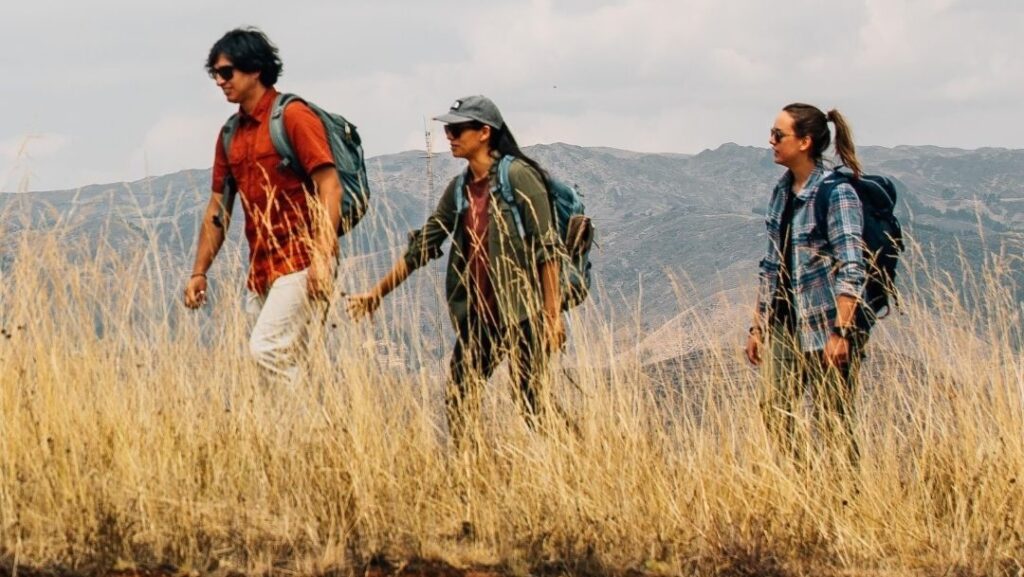
Hiking means walking natural trails in a single day, ranging from easy paths to more demanding routes. For this type of activity, hiking lunch food should focus on light options that provide quick and sustained energy.
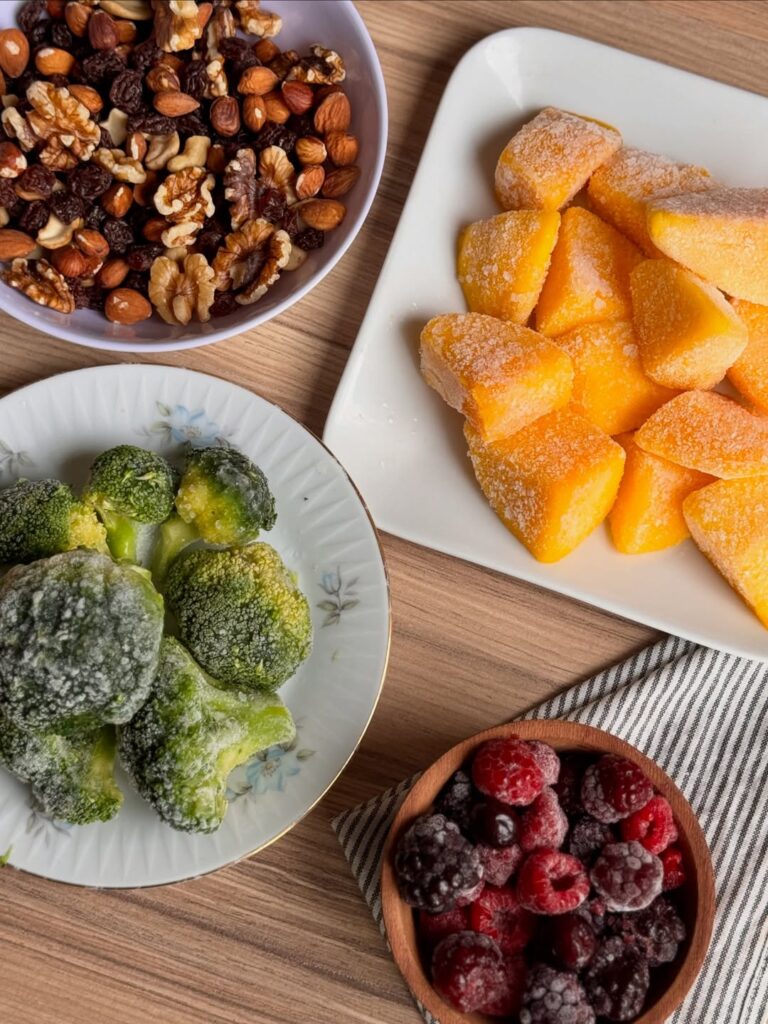
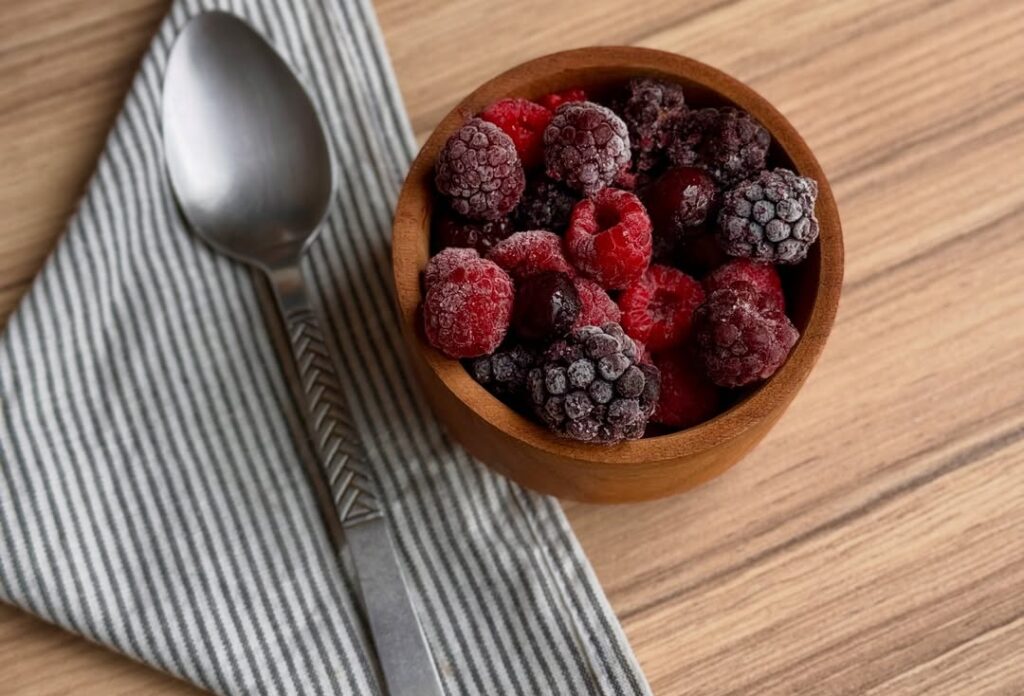
Nuts, energy bars, freeze-dried fruits (a process where water is removed by freezing), and carbohydrate-rich snacks are ideal to maintain performance without overloading your backpack. Including these good foods during a hike helps you make the most of the day and enjoy the landscapes with constant energy.
Trekking and Food Planning for Multiple Days
Trekking involves long hikes lasting several days, combining exploration, physical effort, and a connection with nature. Here, food storage for hiking becomes even more strategic: it’s important to pack compact, long-lasting, and easy-to-prepare meals, such as freeze-dried stews and rice, dehydrated proteins, and Peruvian superfoods like maca, quinoa, or kiwicha.
These provide the endurance and nutrients needed to face each stage, optimize the load’s weight, and facilitate muscle recovery. If you enjoy cooking outdoors, you can even try dehydrated hiking food recipes to prepare creative and nutritious meals.
If you want to better understand the differences between hiking and trekking before your next adventure, we recommend reading the blog: Hiking vs. Trekking. It clearly and simply explains what distinguishes each experience and how to prepare to enjoy them to the fullest.
Plan Your Food Carefully
There are some important things to keep in mind when planning what food to pack for hiking.
- Pack what you like to eat – Carry foods you’ll enjoy to stay motivated.
- Foods that keep your energy high – Proteins, carbohydrates, and healthy fats provide long-lasting energy.
- Keep things fresh – Use cooling gel packs and the right food containers for hiking to avoid spoilage.
- Take a little more than you need – Don’t overpack, but don’t risk running out.
- Stay hydrated – Water is essential. Add powdered mixes for variety.
- Pack fresh foods – Fruits and vegetables are great for short-term energy.
- Plan easy-to-prepare meals – Choose lightweight meals that save time and effort.
- Opt for lightweight options – strike a balance between nutrition and comfort.
Examples of the Best Food to Bring When Hiking
Fresh Foods
We’ve already mentioned that fresh foods are an excellent source of nutrition during your trip. Fruits and vegetables are great options. They might only last the first or second day, but they’ll give you a strong energy boost to start your hike.
Cheese
A delicious option packed with protein and calories to keep your energy up for longer. It can last several days if stored properly.
Dried Foods
This hiker’s classic is a must-have when traveling. Fruits are an excellent source of energy and fiber, and taking them in dried form ensures they’ll last throughout your journey. Instant noodles and soups are also great for quick preparation and don’t take up much space or weight.
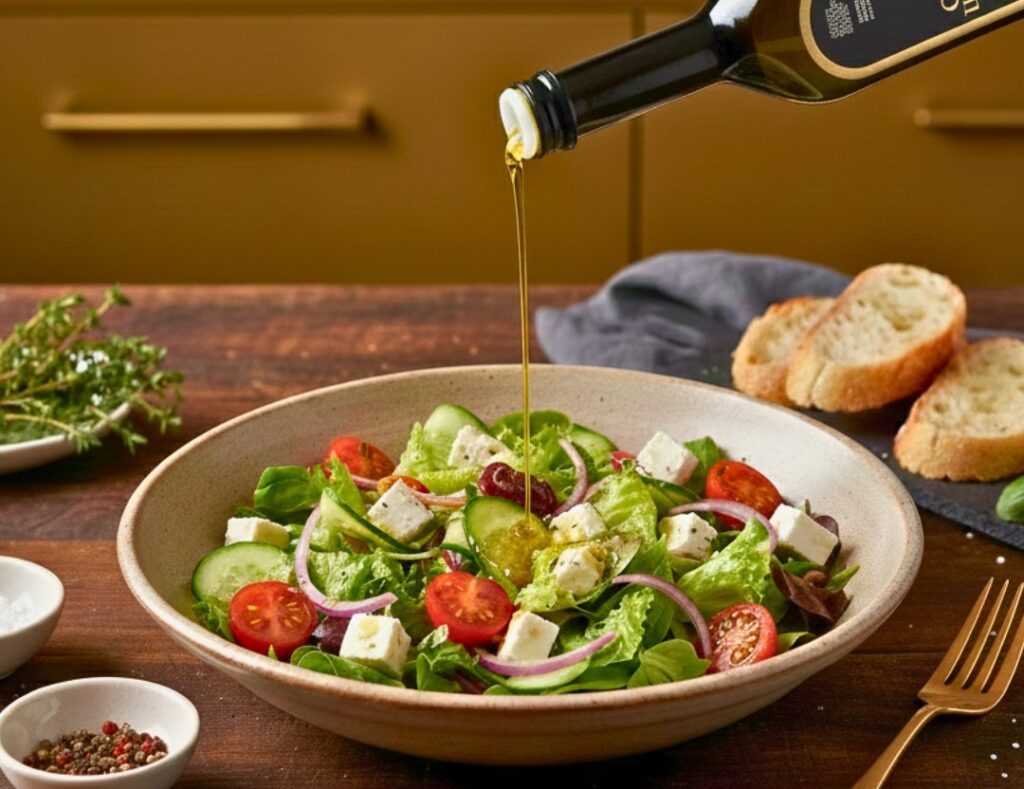
Olive Oil
You’ll need something to cook your meals with, and olive oil is one of the best food for trekking complements. Carry a small bottle to drizzle over rice, pasta, or salads.
Powdered Drink Mixes
Plain water can get boring, so bring mixes, coffee, or tea. These add variety without extra weight.
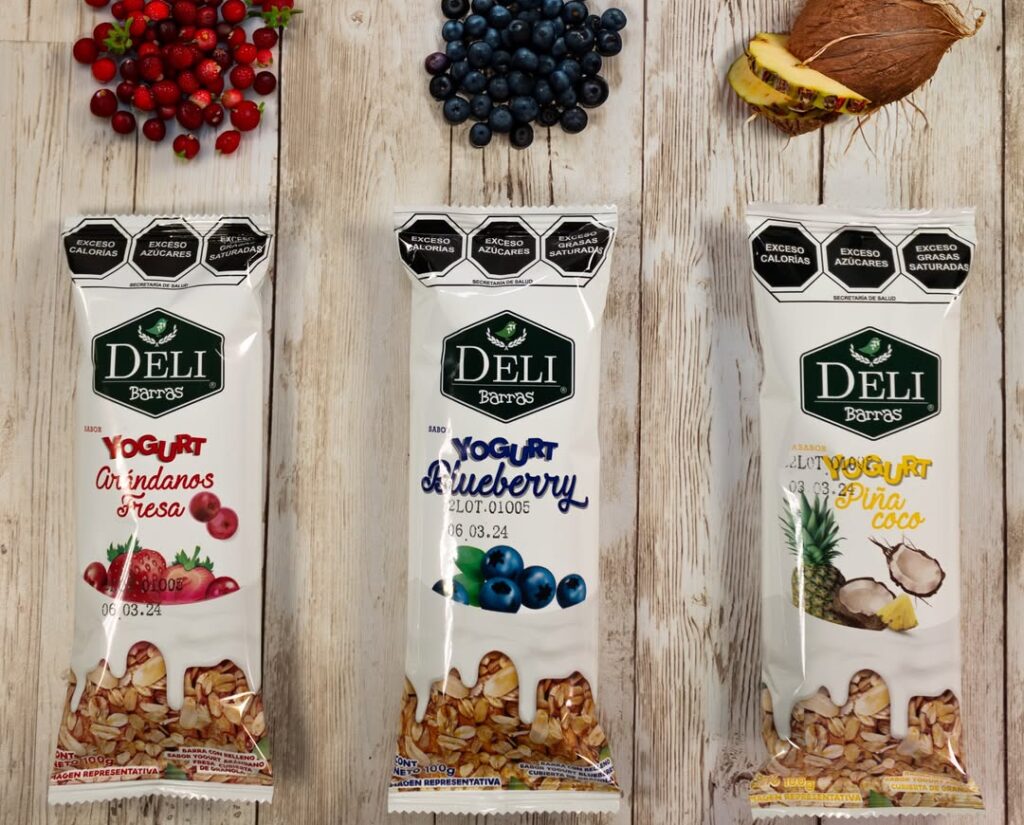
Nutrition Bars
These snacks pack dense nutrients into small bites. Look for bars made with natural ingredients instead of high sugar content.
Nuts and Seeds
Easy to carry and rich in protein, they’re the perfect food while hiking to stop hunger and boost energy.
Jerky
This ancient preservation method keeps meat safe for days. It’s light, nutritious, and an excellent protein source.
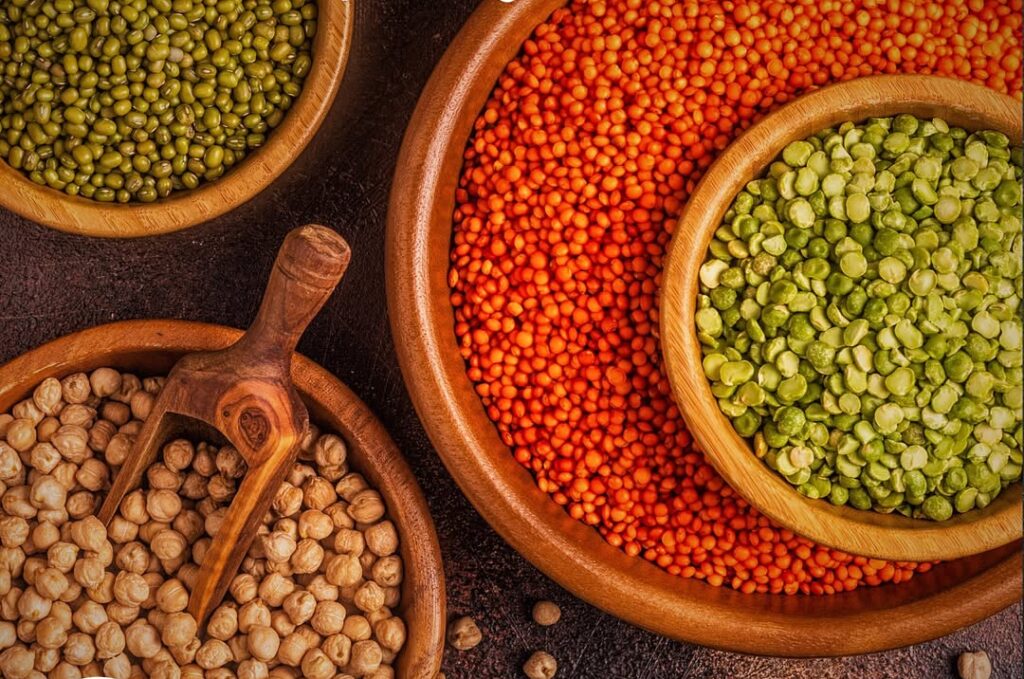
Lentils and Beans
Low but high in nutrition, they expand when cooked and mix well with almost anything.
Rice
Rice is a must when deciding what food to bring for hiking. It’s versatile, easy to prepare, and an excellent energy source.
Freeze-drying is a low-temperature dehydration process that preserves nutrients, flavor, and texture more effectively than other methods. This makes it a perfect option for food to take hiking.
Sample Meal Plans for Different Hiking Durations
Daily Menu for Short Hikes (Hiking): Energy and Practicality
For a one-day hike (6–8 hours), the goal is to maintain sustained energy without overloading the backpack. When choosing food for hiking, focus on practicality and calorie density. An ideal example includes:
- Snacks: nuts, energy bars, and freeze-dried fruits—lightweight food to bring when hiking that provides carbohydrates and micronutrients without extra weight.
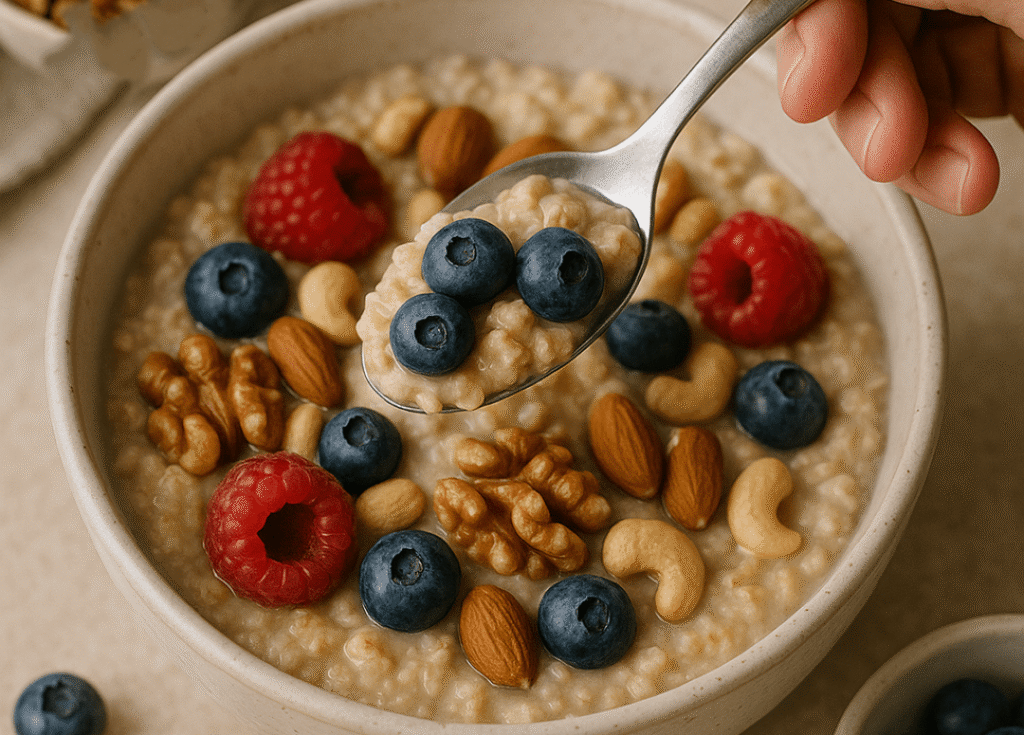
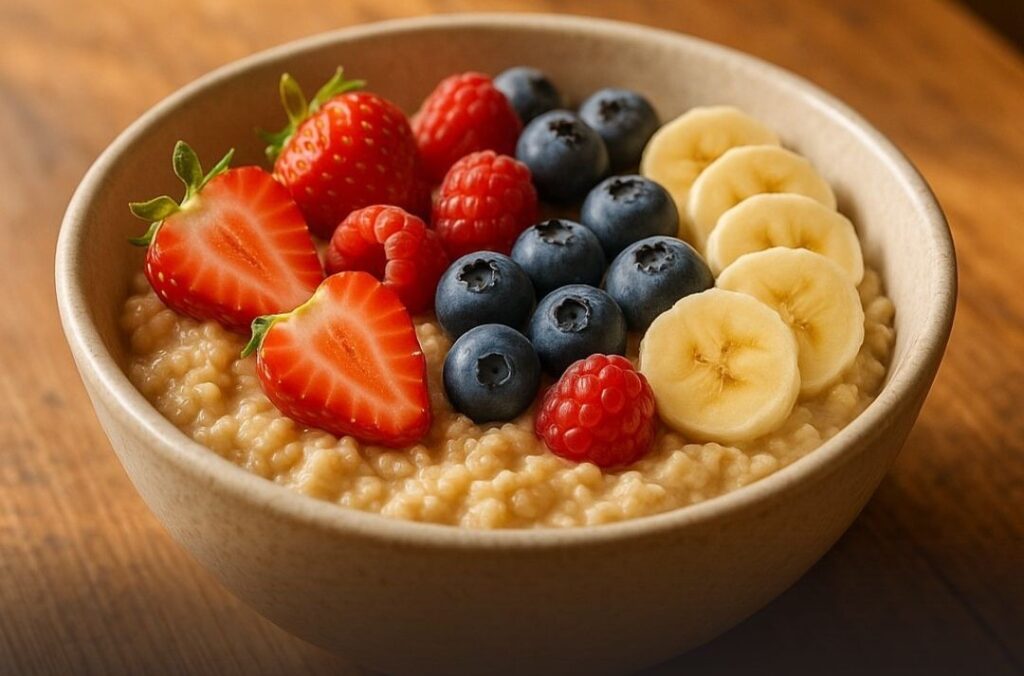
- Breakfast: instant oatmeal with freeze-dried fruits (strawberries or blueberries) and powdered milk, a great option for hiking food storage.
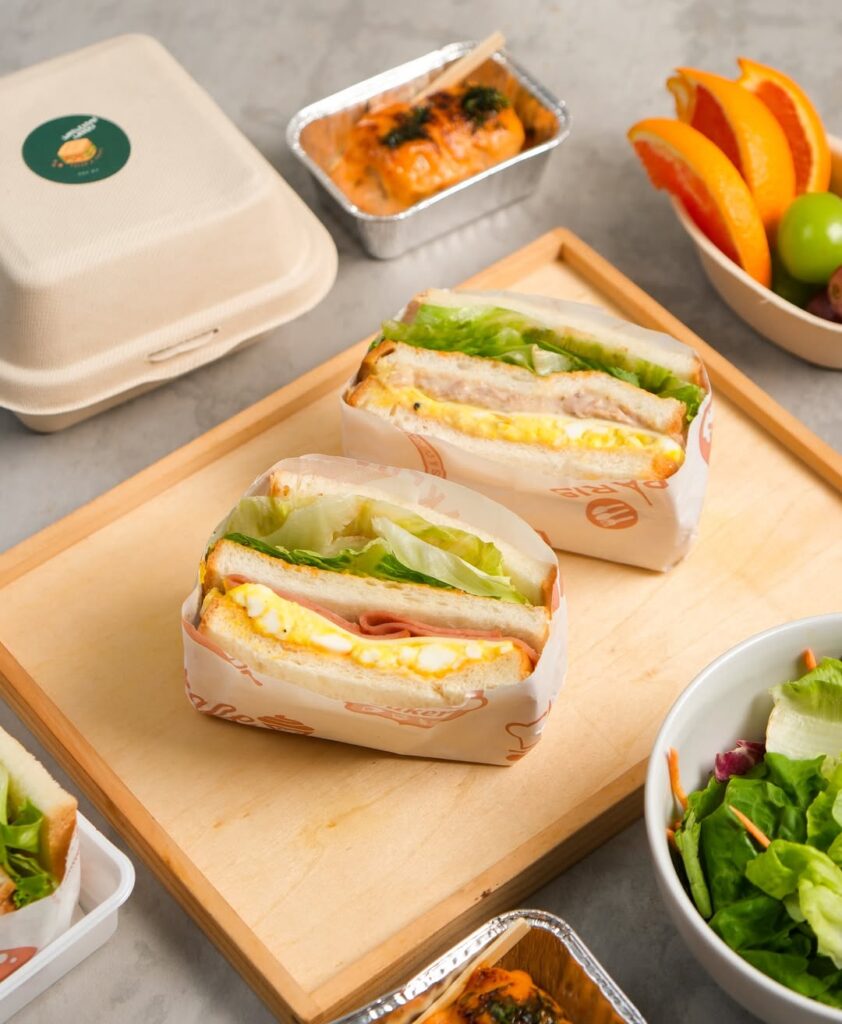
- Lunch: wrap (type of sandwich where the ingredients are wrapped in flatbread) with dehydrated beans, powdered cheese, and dried vegetables, easy to rehydrate and perfect as hiking lunch food.
Meal Planning for Three-Day Treks (Trekking)
On multi-day hikes, planning food for trekking requires a balanced combination of carbohydrates, proteins, and healthy fats. Knowing what food to pack for hiking is essential:
- Breakfasts: instant oatmeal, mashed potatoes with freeze-dried lentils, or whole wheat pita bread with peanut butter.
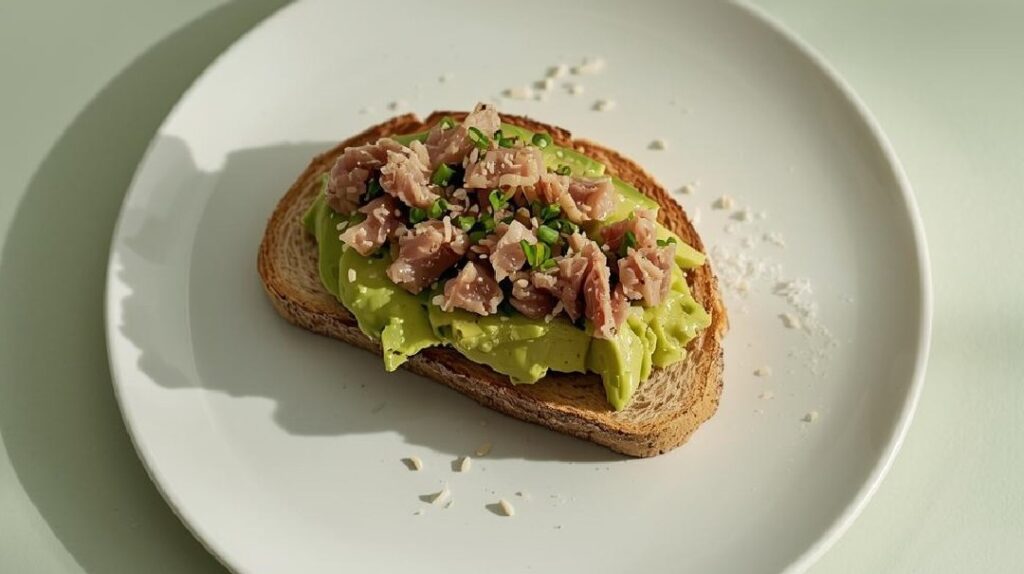
- Lunches: instant rice with pouched tuna and dried vegetables; lentil stews with pre-cooked dehydrated spices.
- Dinners: instant soups enriched with protein powder or dehydrated cheese, a smart way to optimize food storage for hiking.
- Snacks: trail mix with nuts, dark chocolate, and oat bars, considered some of the best food to bring hiking.
In cold climates or at high altitude, increase healthy fats (olive oil, nuts) to maintain body temperature—an essential tip when deciding what food to bring for hiking.
Simple and Quick Recipes to Prepare on the Trail
Hot Dishes That Comfort After a Day’s Journey
Dehydrated hiking food recipes are lifesavers. Example: lentil stew cooked at home, dehydrated, and rehydrated on the trail.
Another classic is pre-cooked rice with pouches of tuna and freeze-dried vegetables—a lightweight option of food to bring when hiking.
Instant Soups and Mixes Enriched with Proteins
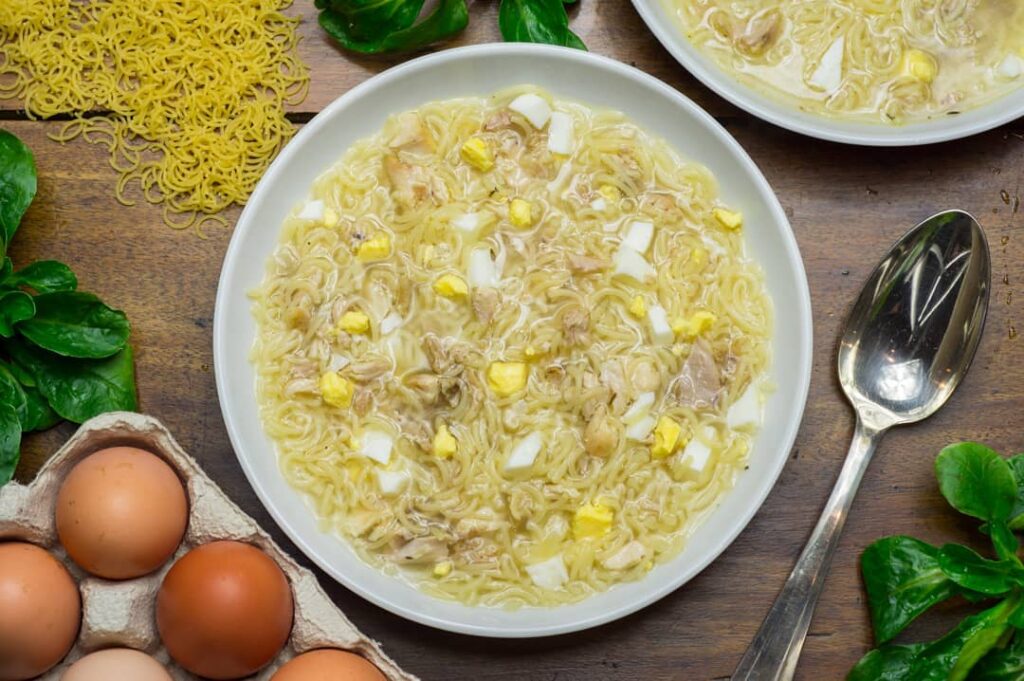
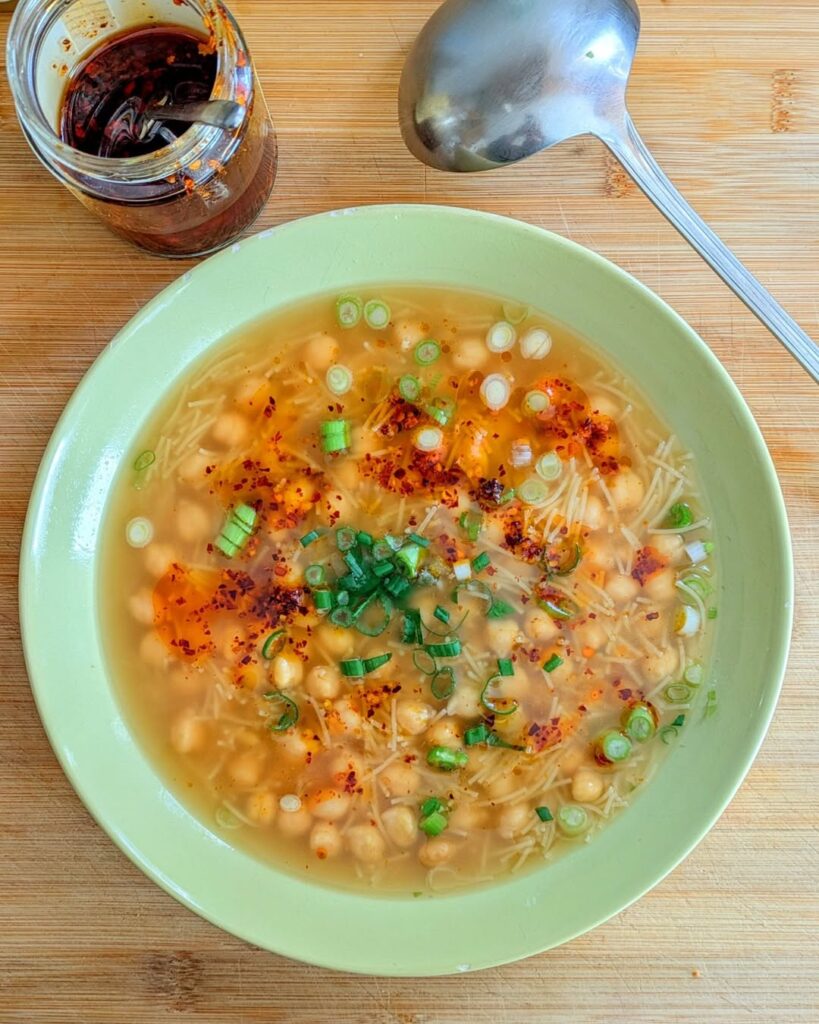
Instant noodle soup enriched with dehydrated beans and powdered cheese transforms into nutritious hiking food.
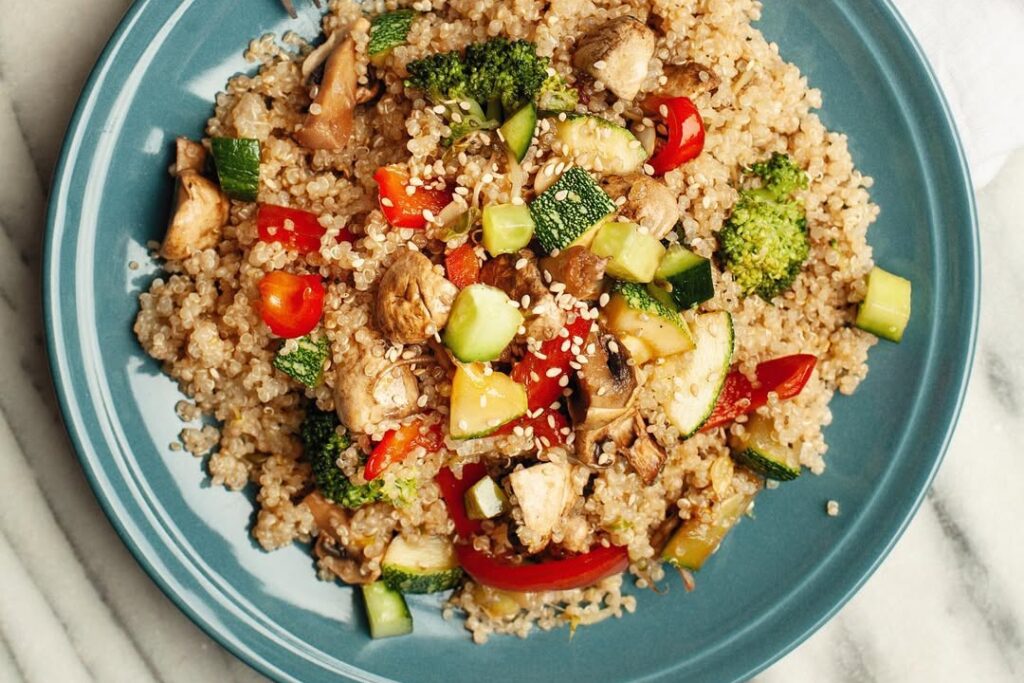
Other recipes: instant mashed potatoes with lentils, couscous with dried vegetables, or polenta with freeze-dried mushrooms. These are excellent examples of good food for trekking.
Advanced Hydration and Electrolyte Tips for Hiking
How to Calculate Your Water Needs on the Trail
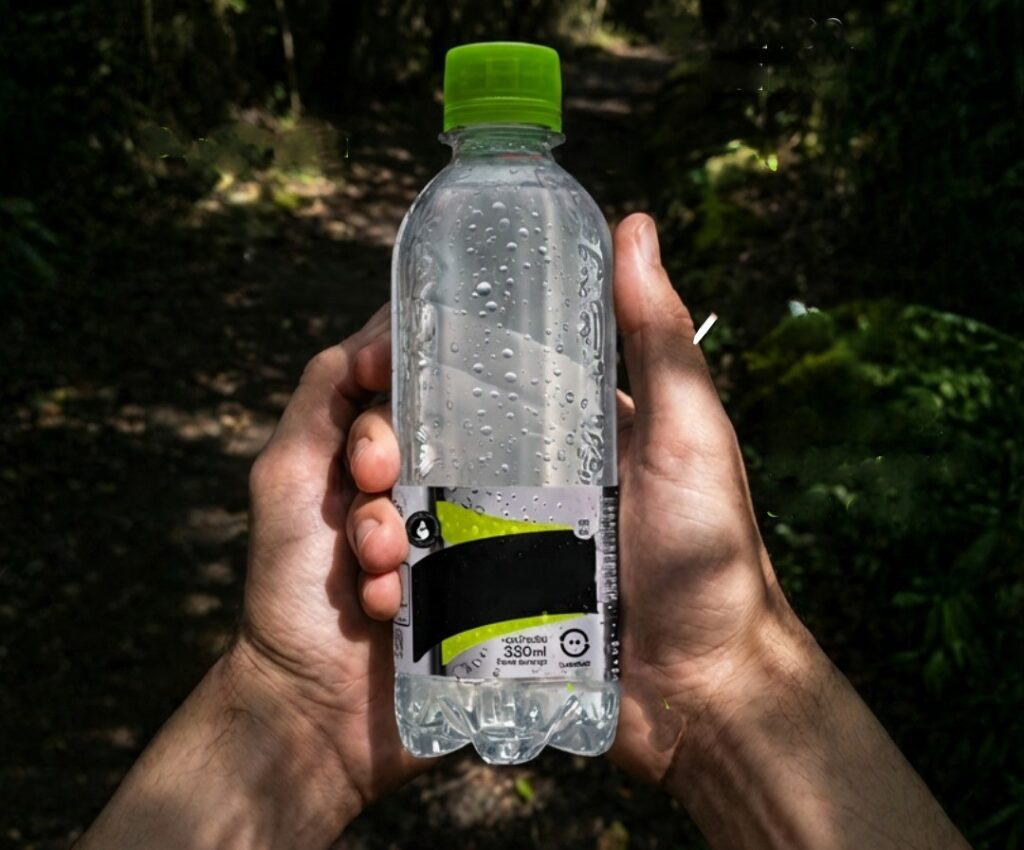
A general guideline is 1 liter every 2 hours of moderate hiking, though the amount varies with altitude, temperature, and physical effort. In hot climates, it increases by 25–50%. For example, a 6-hour hike may require 4.5–5.6 liters.
Hydration should be planned just like food storage hiking: knowing where you can refill and how to purify water is essential.
Methods to Purify Water and When to Add Electrolytes
Never drink untreated water from rivers or lakes. Boiling, filtering, or purification tablets are recommended.
At altitudes above 1,500 m (4500 ft), fluid loss increases. Adding electrolytes with sodium improves performance and prevents cramps. Combine with food while hiking to maintain energy.
Food Waste Management and Sustainable Practices
“Leave No Trace” Principles Applied to Food
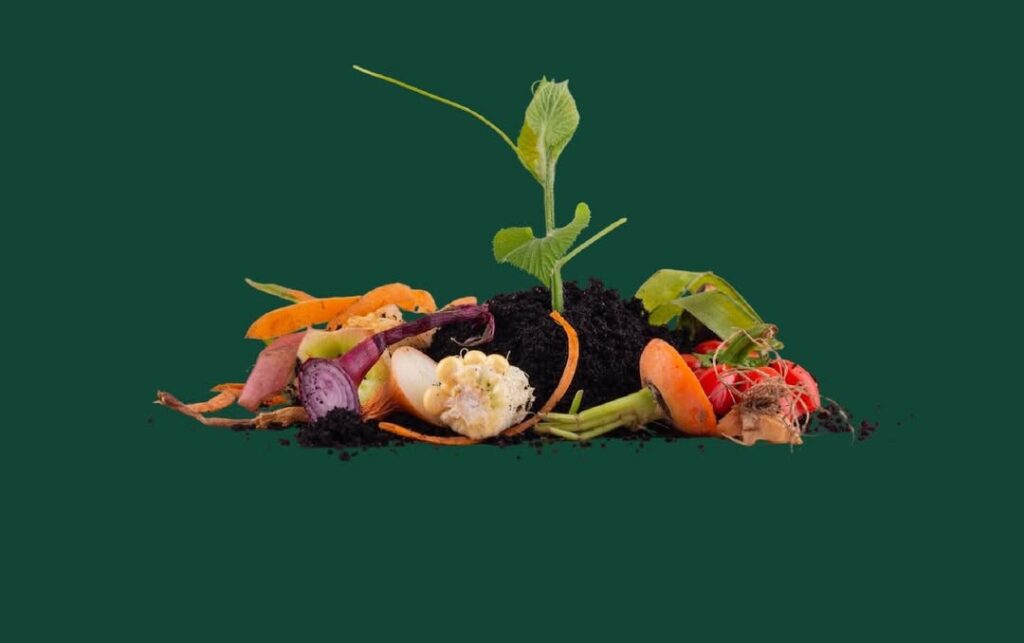
Pack out all waste, even organic. Peels and scraps can alter wildlife behavior.
Freeze-dried foods reduce waste thanks to lightweight packaging. Reusable food containers for hiking also minimize single-use plastics.
How to Minimize Waste and Manage Organic Leftovers
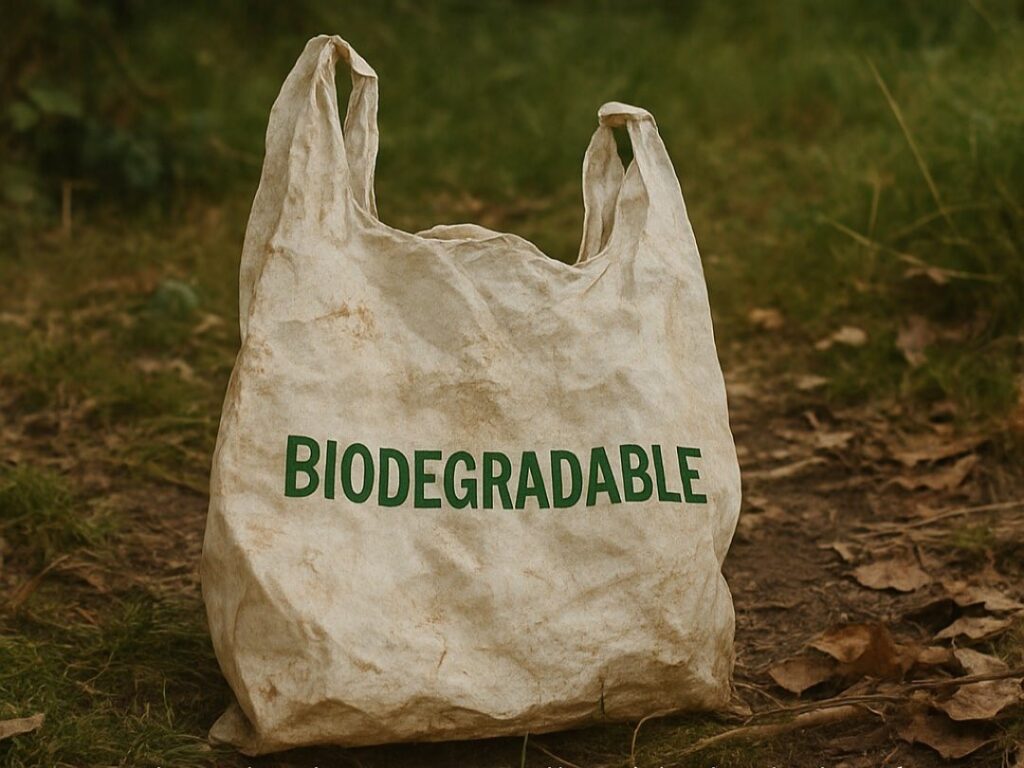
Before leaving, repackage meals into reusable or biodegradable bags—ideal for organizing food to take hiking.
Always carry food scraps back, even biodegradable ones. Burning trash is unsafe and harmful.
Foods to Avoid and Common Packing Mistakes
Perishable Products and Low-Quality Snacks
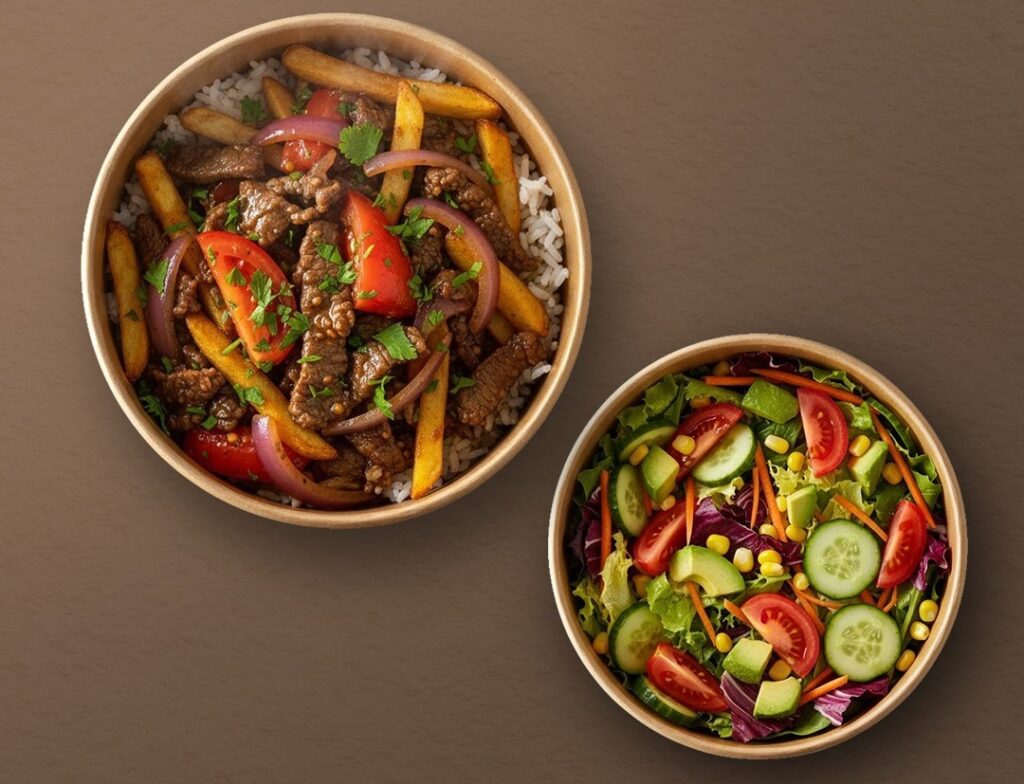
Good food for trekking should be stable and safe. Avoid fresh meats, unpasteurized dairy, and very ripe fruits—they spoil quickly.
Choose nuts, oat bars, and freeze-dried fruits over sugary snacks. These are among the best food for trekking since they provide sustained energy.
Common Food Planning Mistakes
- Carrying too much food adds unnecessary weight.
- Not calculating portions according to climate and calorie expenditure.
- Forgetting utensils such as a spoon, knife, or waste bags.
Planning what food to bring for hiking correctly improves safety and enjoyment.
Planning your daily food intake using the reference of 150 calories per mile traveled, added to your resting metabolic rate (RMR: the minimum amount of energy your body needs to function at rest), allows you to estimate the energy you need and distribute it in small, frequent meals.
Peruvian Superfoods: Natural Energy for Hiking and Trekking
When deciding what food to bring for hiking, Peruvian superfoods are outstanding. They’re rich in nutrients, lightweight, and versatile.
Thanks to Peru’s diversity, it provides vitamins, minerals, and antioxidants that improve endurance and recovery—perfect as food for trekking.
Maca, Camu Camu, and Quinoa
- Maca: boosts energy and hormonal balance, easy to transport in powdered form as part of food storage for hiking.
- Camu camu: rich in vitamin C, strengthens immunity, light to carry.
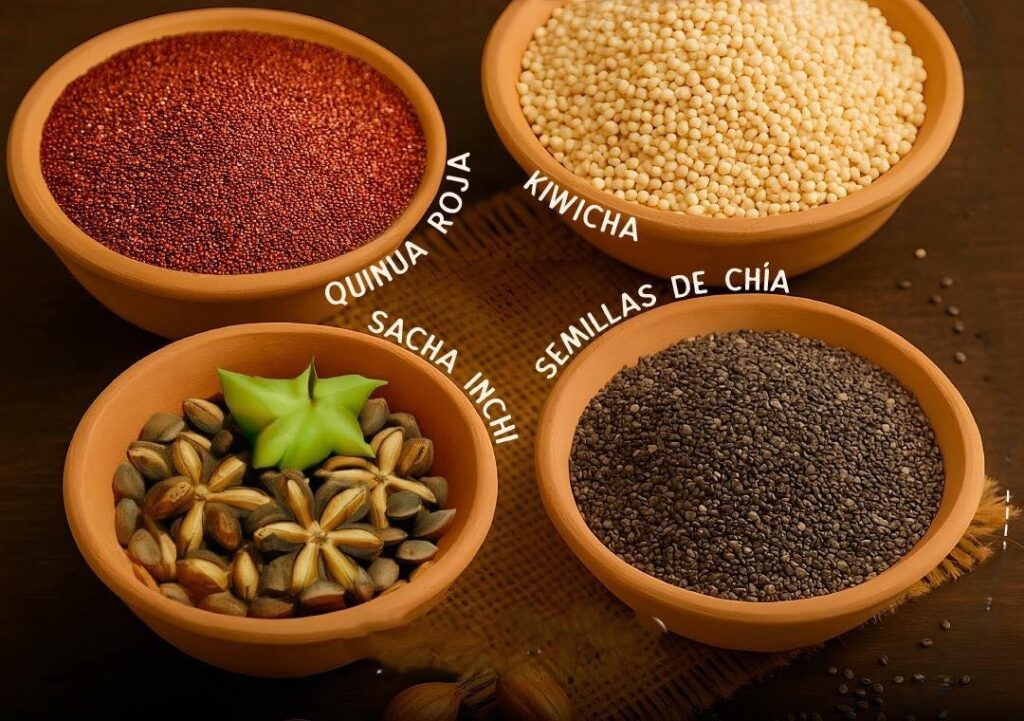
- Quinoa: complete protein and fiber, ideal for dehydrated hiking food recipes.
Kiwicha, Lucuma, and Other Superfoods
- Kiwicha (amaranth): excellent for energetic breakfasts.
- Lucuma: adds flavor and nutrients to smoothies or energy bars.
- Others like purple corn, golden berry, and sacha inchi offer antioxidants and healthy fats.
How to Integrate Them Into Your Hiking Menu
- Breakfasts with oatmeal, maca, and freeze-dried fruits.
- Snacks like trail mix with golden berry and sacha inchi.
- Pre-cooked quinoa with vegetables vacuum-sealed for rehydration.
These options enrich your food for hiking menu, making your trip healthier and more enjoyable.
Extra tip: Invest in reliable food storage for hiking and food containers for hiking to keep your meals fresh and protected. Proper food storage hiking prevents spoilage, ensures safety, and makes it easier to organize what food to bring for hiking.
Keep Things Simple and Enjoy Your Hike While Staying Healthy
With all these options, you won’t go hungry on your trip, and you’ll be fueling your body with nutrients. When choosing food for hiking, remember that you don’t need elaborate meals on the trail. Instead, focus on easy hiking lunch food and good food for trekking that are quick to prepare and provide your body with what it needs.
This way, you’ll enjoy your hike to the fullest without worrying about going hungry or feeling weak and fatigued. Now, get out there and enjoy nature with the best food to bring when hiking with Peru Hike!