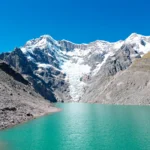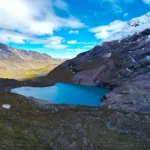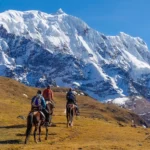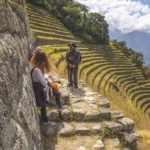
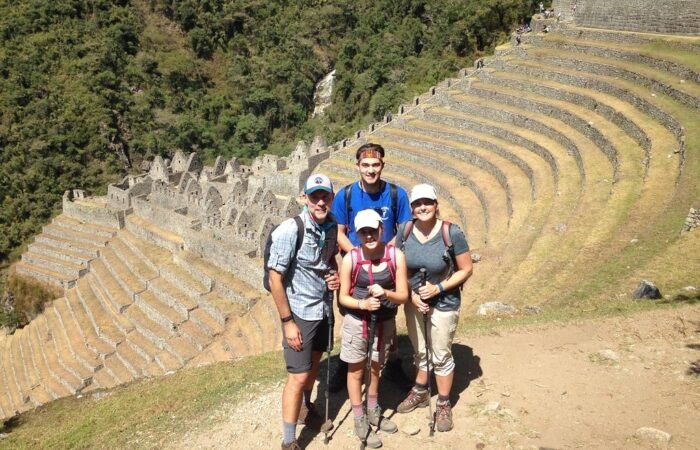

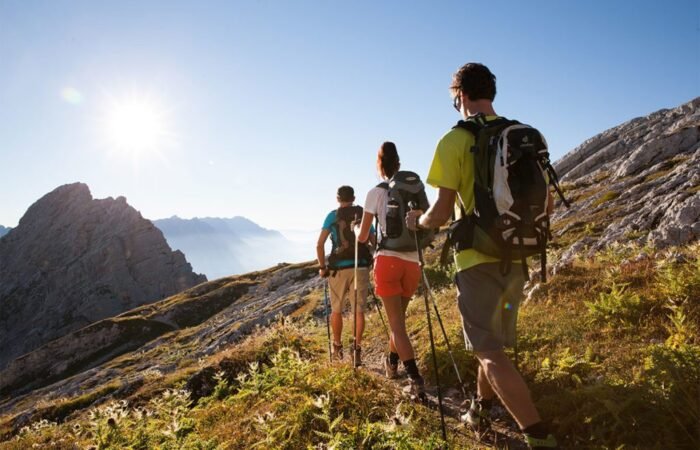

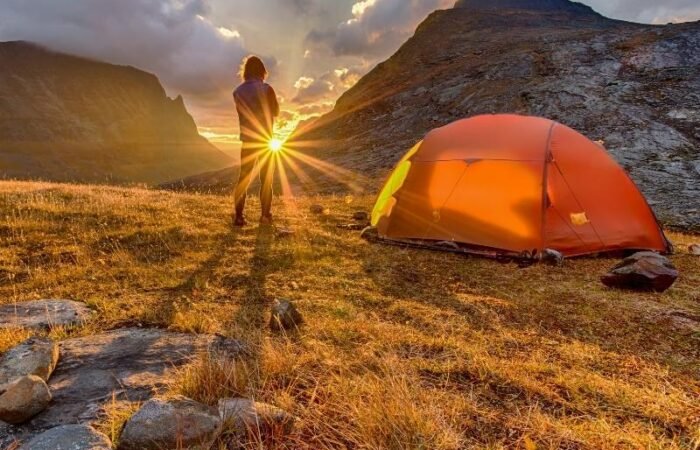
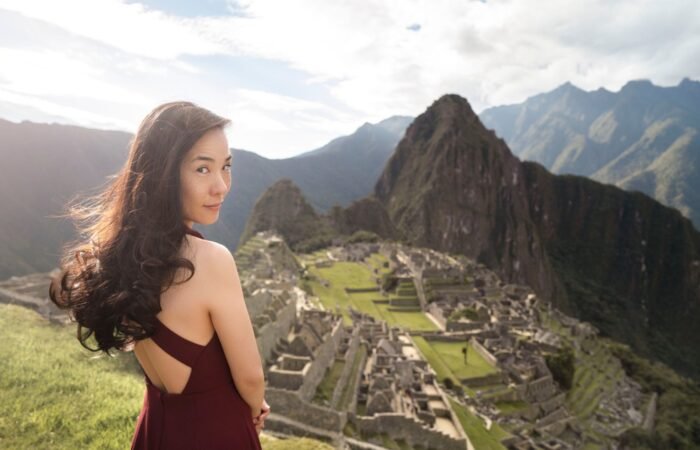






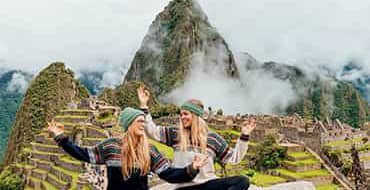


If you’re planning to hike the Inca Trail to Machu Picchu, you’ve come to the right place. This legendary trail is not only one of the most famous treks in the world, but also a unique experience that combines history, nature, and adventure. And while it’s not as extreme as routes like the Everest Base Camp, it’s far from an easy stroll: the Inca Trail trip requires preparation, planning, and knowing a few secrets that can make all the difference.
In this guide, you’ll find the best tips for the Inca Trail trip. More than just theory, we’ll walk you step by step, so your journey to Machu Picchu truly becomes the trip of a lifetime.
What is the Inca Trail?
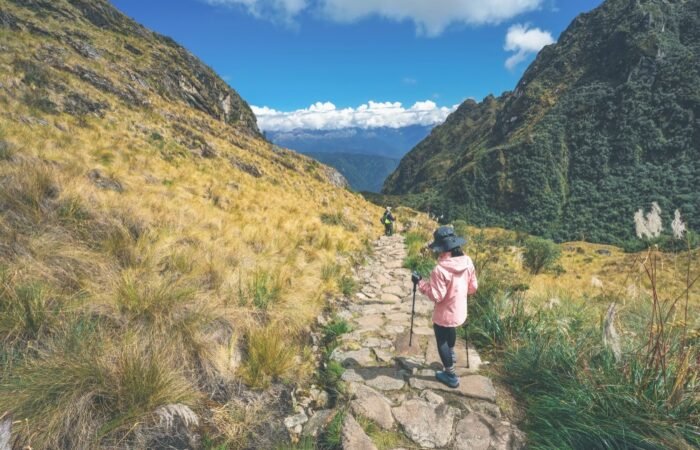
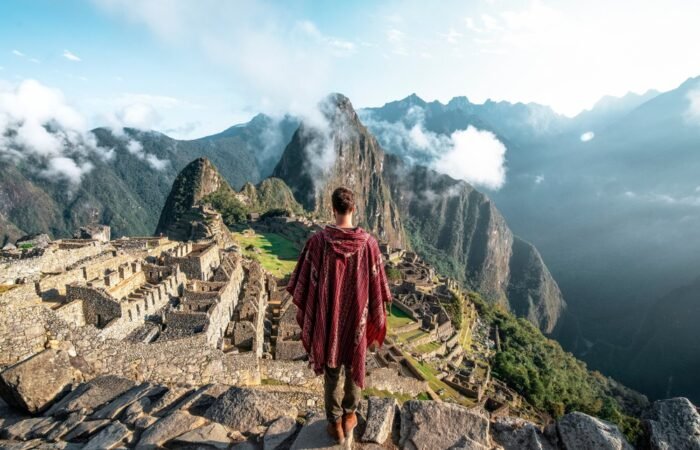
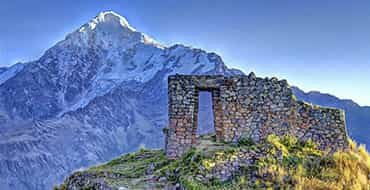
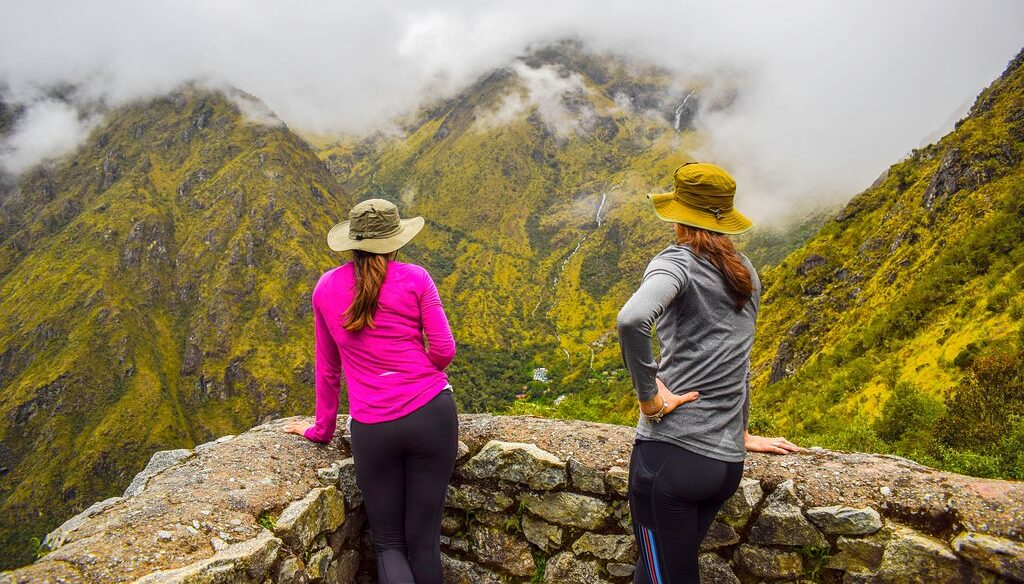
The Inca Trail is world-renowned as the most famous hiking route in South America and ranks among the top five treks on the planet. This historic path is part of the Qhapaq Ñan, the Inca road network stretching over 60,000 km (37,282 miles) that once connected the territories of Peru, Ecuador, Colombia, Bolivia, Chile, and Argentina. Each year, it attracts thousands of visitors with its unique blend of history, culture, and adventure amid breathtaking Andean landscapes — culminating at the awe-inspiring wonder of Machu Picchu.
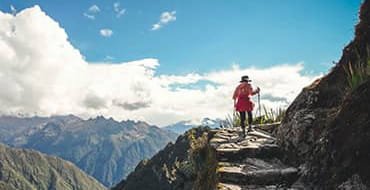
The trail’s highest and most challenging point is the Warmiwañusca Pass, at 4,215 meters above sea level (13,829 feet). From this altitude, trekkers are rewarded with stunning panoramic views of the Andes before beginning the descent into the lush jungle region.
Due to strict government regulations, the Inca Trail to Machu Picchu must be done with an agency authorized by Peru’s Ministry of Culture. Access is limited to 500 people per day (including guides and porters), so it’s essential to book several months in advance — especially during the high season (May to October).
Tips for the Inca Trail Trip
Learn the Rules and Restrictions of the Inca Trail Trip
It’s normal to have questions about what is and isn’t allowed on the Inca Trail to Machu Picchu. The good news is that the rules are clear and simple to follow. Here are the main restrictions you should know before and during your hike:
- Access is only possible through authorized routes and by hiring an agency with a valid permit from the Ministry of Culture.
- Entry is allowed only between 5:30 a.m. and 2:00 p.m.
- A valid ID or passport must be presented at checkpoints.
- All hikers must be officially registered at the control points before starting the trek.
- Hiking outside official hours (6:00 p.m. to 5:30 a.m.) is prohibited.
- Drones, metal trekking poles, umbrellas with pointed ends, alcohol, or illegal substances are not allowed.
- Littering, extracting plants, damaging archaeological remains, or lighting fires along the trail are strictly forbidden.
- The number of visitors per day is limited, so advance booking (several months ahead) is essential.
Note: Park rangers and staff closely monitor compliance with the Inca Trail regulations. Knowing these rules will help you enjoy your trek without issues, while respecting nature and cultural heritage.
How to Book the Inca Trail?
The Peruvian government strictly regulates access to the Inca Trail to protect its natural and cultural heritage. You can only enter with an authorized agency like Peru Hike.
Spaces are limited to 500 people per day, including support staff (guides, porters, cooks, etc.).
We recommend booking three to five months in advance, especially if you’re traveling during peak season (May to October). Solo entry is not allowed under any circumstances. Your agency will handle the permits, tickets, and all the logistics for the trek.
Book your journey to the heart of the Andes through the Inca Trail and enjoy your dream adventure.
Prohibitions / Restrictions
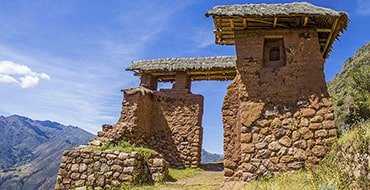
Along the Inca Trail, there are several archaeological centers and an immense diversity of flora and fauna. All these elements must be respected, so you must bear in mind that this is what’s forbidden on the trail:
- Alter or contaminate the natural, cultural, and/or archaeological monuments landscape.
- Camping or staying overnight outside of assigned camps.
- Enter and/or use elements that violate the cultural and natural heritage.
- Make bonfires in archaeological monuments and / or areas close to the natural environment.
- Climb the walls, make traces on the dirt floors or scratches on the archaeological monuments, and/or make any type of graffiti.
- Disturb or affect flora and fauna species.
- Perform overflights and / or use the airspace without prior authorization from the competent authorities.
- Place public or commercial announcements.
- Transit and work in an ethyl state or under the influence of narcotic drugs
- Entry and transit of motorized vehicles
- Carry out the transfer of tourists from one group to another
- The abandonment of the group of tourists by the tour guide.
- Obscene acts.
The Role of Sustainable Tourism
Sustainable tourism is an essential component of conservation efforts for the Inca Trail and Machu Picchu. As one of the most visited archaeological sites in the world, the increasing number of tourists poses significant challenges to the preservation of the site’s cultural and natural heritage. Therefore, embracing sustainable tourism practices becomes crucial in mitigating the negative impacts of visitor influx.
- Responsible travel choices begin with tourists making conscious decisions about how they plan their trips. This includes selecting eco-friendly accommodations, utilizing local transportation methods, and opting for guided tours that adhere to sustainable practices. By choosing operators committed to environmental stewardship, travelers contribute to conservation efforts while enjoying the rich history and breathtaking scenery of the Inca Trail.
- Education plays an integral role in promoting sustainable tourism. Tourists must be informed about the significance of preserving Machu Picchu and its surroundings. Many tour companies now include educational components in their itineraries, highlighting the fragile ecosystems and cultural importance of the areas involved. Increased awareness fosters a sense of responsibility among visitors, leading them to respect local customs, minimize waste, and avoid practices detrimental to the environment.
In response to growing concerns about environmental impacts, tourism operators are adapting their practices to support sustainable initiatives. This includes implementing low-impact strategies such as limiting group sizes, promoting off-peak travel, and utilizing renewable energy sources. Additionally, many companies are engaging in community projects aimed at reinvesting tourism revenues into local conservation efforts. This not only helps preserve the Inca Trail and Machu Picchu but also enhances the overall visitor experience by creating a meaningful connection between tourists and the local culture.
Engaging Local Communities in Conservation
Engaging local communities is a cornerstone of successful conservation efforts, particularly in areas such as the Inca Trail and Machu Picchu. The involvement of those who live in proximity to these cultural and natural treasures not only fosters stewardship but also enhances the effectiveness of conservation initiatives. By empowering local populations, conservation programs can leverage indigenous knowledge and practices that have been honed over generations.
Community-based tourism initiatives have flourished along the Inca Trail. These projects have allowed local residents to participate in the tourism economy, showcasing their culture, crafts, and traditions. As a result, the communities have become advocates for environmental protection, understanding that a healthy ecosystem attracts more visitors. For example, the community of Huilloc has implemented sustainable agricultural practices that have not only preserved its agricultural heritage but have also contributed to the conservation of local biodiversity.
What Travelers Can Do to Help
As interest in visiting the Inca Trail and Machu Picchu continues to rise, so does the importance of conservation efforts. Travelers play a vital role in ensuring the preservation of these remarkable historical sites. Below are several actionable suggestions for how you can contribute to the conservation of this UNESCO World Heritage site.
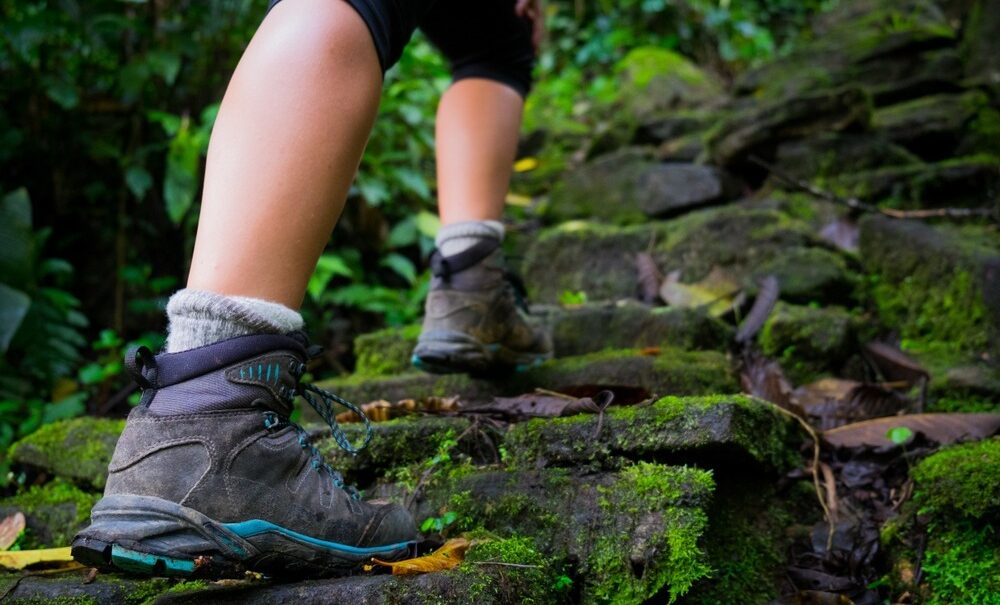
- Practice responsible hiking: Be sure to respect designated trails, which limits your environmental impact. By staying on established trails, you minimize the risk of soil erosion and damage to vegetation.
- Waste management is essential: take all trash with you and avoid leaving food scraps, as these can disrupt the local ecosystem.
- Supporting local businesses is another impactful measure: when buying souvenirs, opt for handcrafted items from local artisans instead of mass-produced products. This not only contributes to the economic sustainability of the community but also encourages the preservation of traditional crafts.
- Choosing to eat at local restaurants or hiring local guides: can further strengthen the community and ensure that profits stay in the region.
- Selecting eco-tours significantly contributes to conservation initiatives: Look for operators that prioritize sustainability, such as those that limit group sizes or use renewable energy sources. These companies often implement guidelines to reduce environmental impact and promote the well-being of the local culture.
- Actively participate in promoting preservation initiatives: whether by donating to conservation organizations or participating in local clean-up efforts.
- Raise awareness about the importance of the Inca Trail and Machu Picchu: encourage others to adopt sustainable practices, amplifying your own impact as a responsible traveler.
Conclusion: The Path Forward
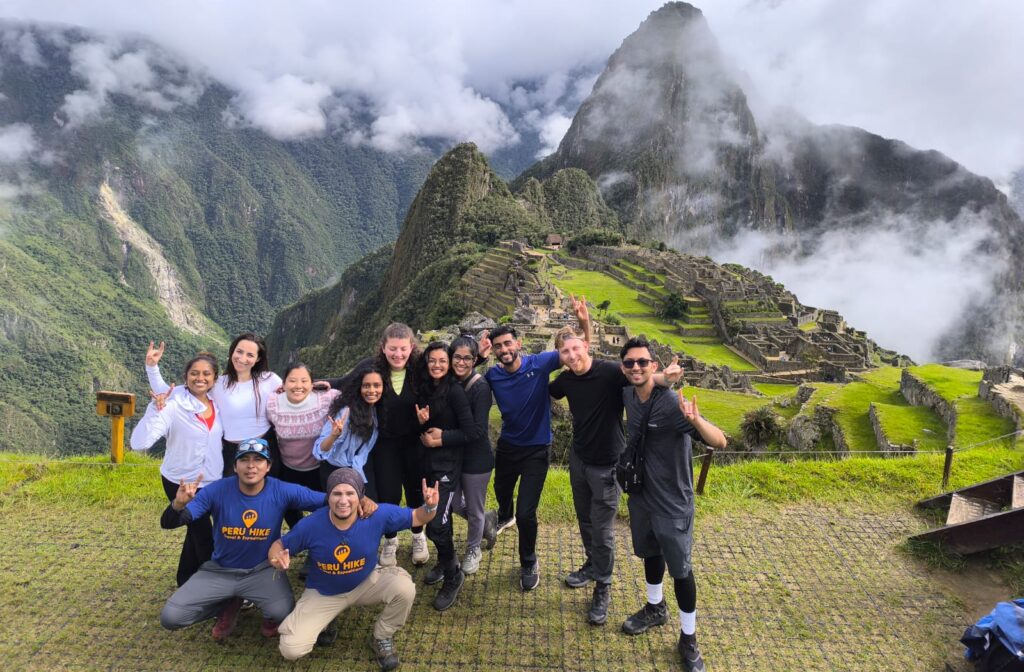
In conclusion, the preservation of the Inca Trail and Machu Picchu is not merely a matter of maintaining a tourist destination; it is about safeguarding a rich cultural heritage and natural environment that holds profound significance. Throughout this discussion, we have examined the critical role of conservation efforts in mitigating environmental degradation, managing tourism impact, and ensuring the sustainability of this iconic site. The urgent need for collective action has never been clearer, as the pressures of increasing visitation and climate change threaten the delicate ecosystem and historical integrity of the area.
The preservation of the Inca Trail and Machu Picchu hinges upon the cooperation of various stakeholders, including government authorities, local communities, tourists, and conservation organizations. Implementing sustainable tourism practices, such as limiting visitor numbers and promoting eco-friendly initiatives, will be vital as we move forward. Education will also play a crucial role in fostering a sense of responsibility among visitors and locals alike, highlighting the importance of respecting this UNESCO World Heritage site.