























Cusco not only amazes us with its history and breathtaking landscapes, but also with a delicious and unique cuisine you must try on your next adventure in Peru. The city offers ancestral flavors that combine tradition and innovation. Tasting Cusco food in a good Peruvian restaurant is to discover an essential part of Andean culture and understand why many travelers consider it the best food in Cusco.
Each Cusqueñan dish tells stories passed down from generation to generation. The ingredients highlight the richness of Peru’s biodiversity. Eating traditional Cusco food is as memorable as walking through its streets or visiting the most iconic archaeological sites. For many visitors, this experience defines the essence of Cusco’s Peruvian food and explains why it is often recognized as some of the best Peruvian food Cusco has to offer.
In this article, you will learn about eight dishes that no traveler should miss. You’ll discover unique flavors in every corner. Your gastronomic journey with Cusco food will be unforgettable from the very first bite.

Cusco: The Origin of Its Traditional Food
Cusco is considered the main tourist destination in Peru and South America. Its location in the Andes grants it majestic and unique landscapes. This natural wealth has deeply shaped the cultural identity and traditional Cusco food that you can taste today.
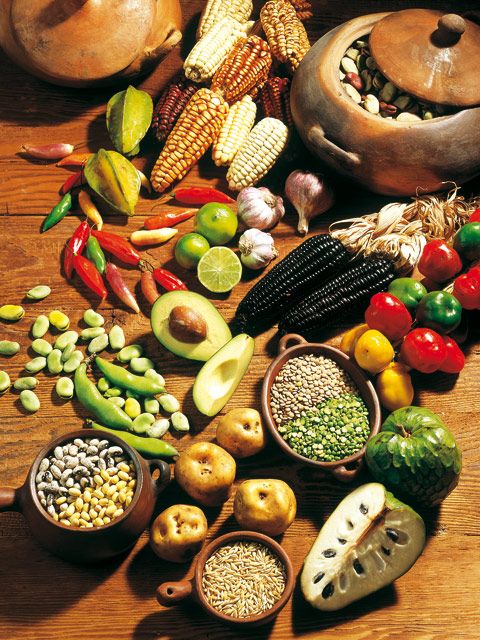
The Incas developed agricultural terraces known as andenes to farm on steep slopes. They built irrigation channels and hydraulic infrastructure to bring water to these terraces. These techniques ensured the constant production of potatoes, corn, quinoa, and other native crops that still form the basis of Cusco Peru food.
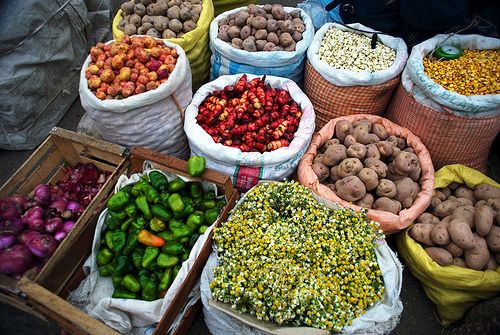
The city of Cusco sits at over 3,300 meters above sea level (10,826.77 feet). It’s farmers supply local markets daily with fresh products. From there arise the flavors that strengthen the authenticity of Cusco’s traditional food, now celebrated as some of the best food in Cusco.
Techniques and Ingredients in Cusco’s Typical Dishes
The Inca heritage provided preservation techniques such as chuño (potatoes dehydrated by freezing) and moraya. These practices made it possible to store food in extreme conditions of cold and scarcity.
The Spaniards introduced new elements such as wheat, barley, pork, beef, and chicken, as well as vegetables like onion and garlic. They also brought citrus fruits, European vegetables, and fruits like apples and peaches, enriching the flavor spectrum. This blend of native and European elements gave rise to new recipes and seasonings in Cusco food.
Visiting the ancient Inca capital is a complete cultural experience. During your visit, you can taste millenary traditions in an authentic Peruvian restaurant. Thus, traditional Cusco food becomes an essential part of your adventure and a gateway to tasting the best Peruvian food Cusco has preserved.
Cusqueñan Cuisine and Its Typical Dishes
Cusqueñan cuisine reflects centuries of history, tradition, and cultural exchange. Each recipe preserves the spirit of Andean heritage. To taste Cusco food is to know its identity. On every Cusqueñan table, you’ll find a fusion of native products and ancestral techniques. The intense flavors convey strength and energy to those who enjoy them.
Below, we present the most representative traditional Cusco food dishes. Discover them and learn why Cusco Peru food is also an essential gastronomic attraction.

Chiri Uchu
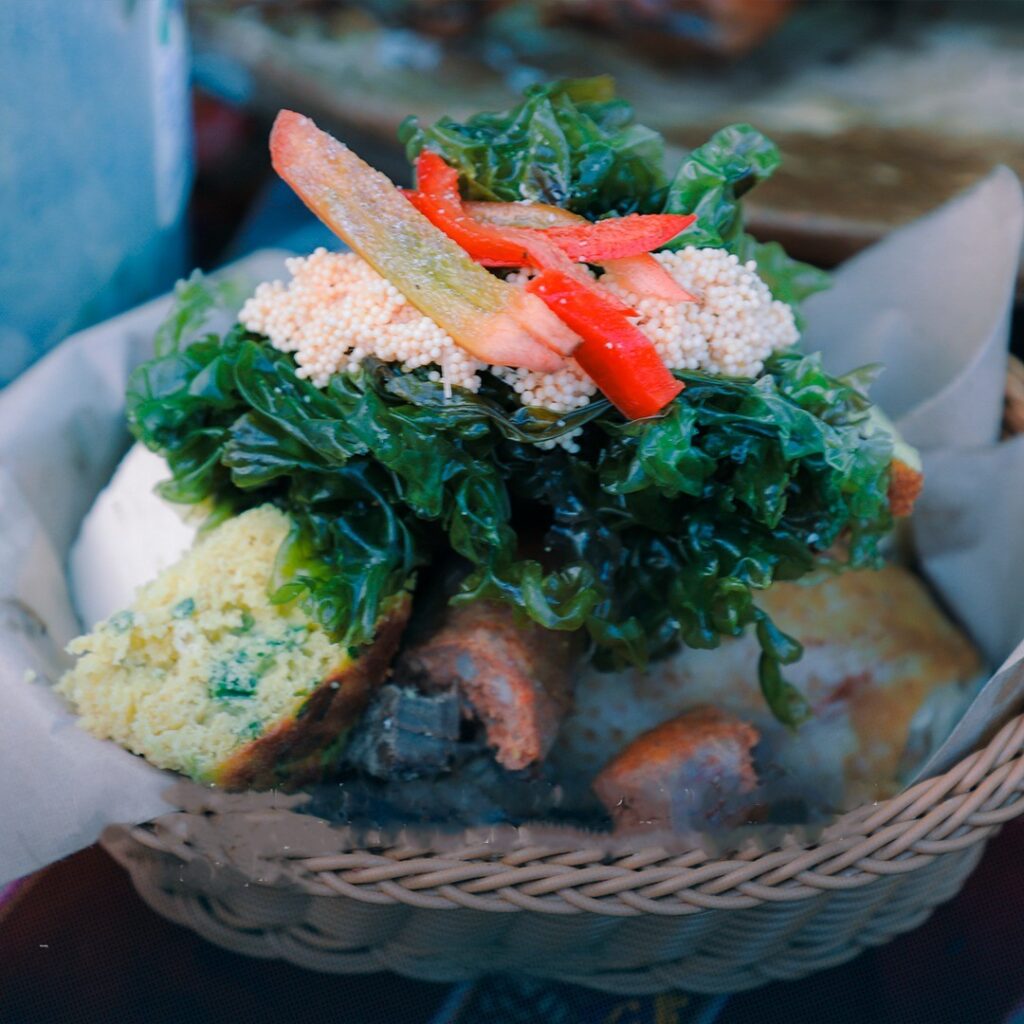
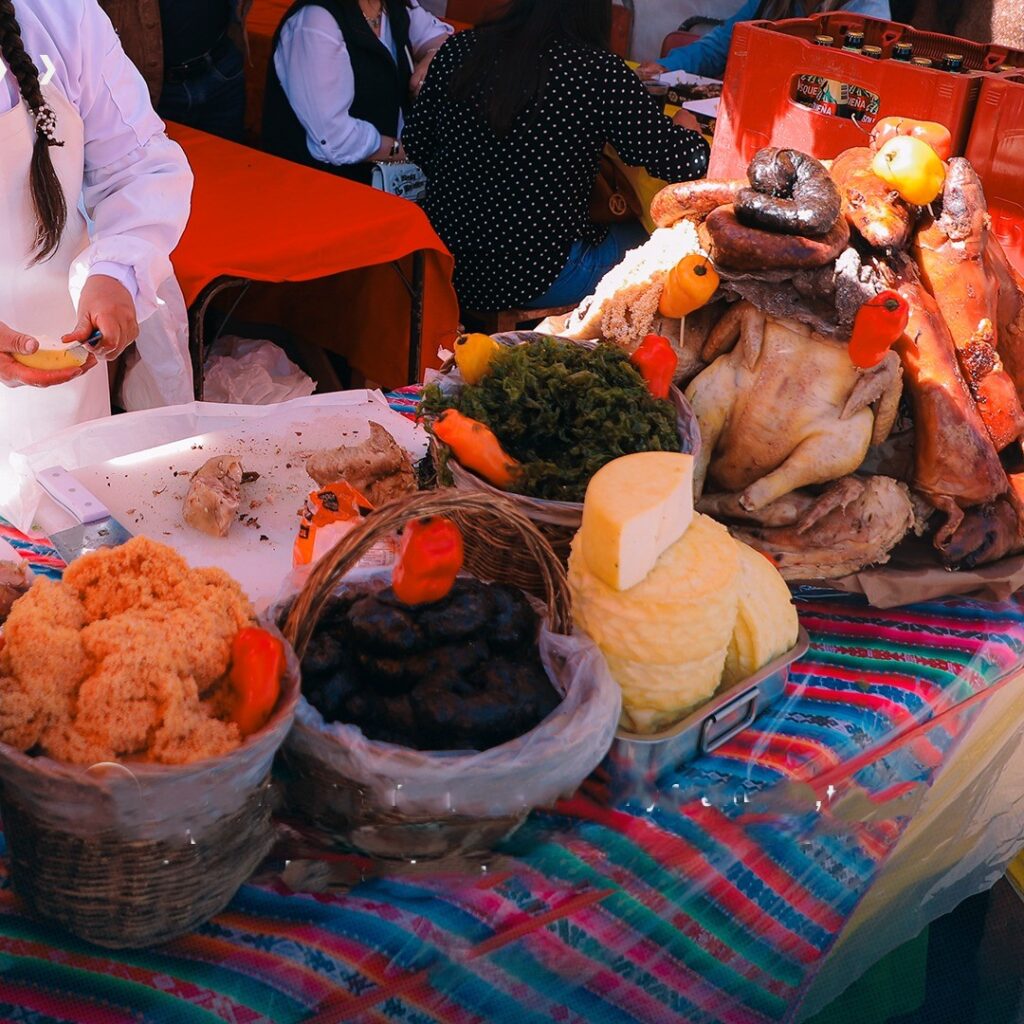
Chiri Uchu symbolizes Andean richness, duality, and tradition, as well as the diversity and unity of Peru’s three regions (coast, highlands, and jungle) through its ingredients, serving as a ritual of offering and spiritual connection with the land and divinities. Today, it is the emblematic dish of the Corpus Christi festival.
The recipe combines chicken, guinea pig, corn tortilla, cheese, rocoto, and traditional herbs. It also includes ingredients such as seaweed, sausage, and pumpkin. Its preparation requires planning since many ingredients are cooked the day before.
This dish is eaten cold and stands out for its spicy and varied flavor. It is ideally accompanied by chicha morada or chicha de jora. Eating Chiri Uchu is living a true ritual of traditional Cusco food.
Roast Guinea Pig
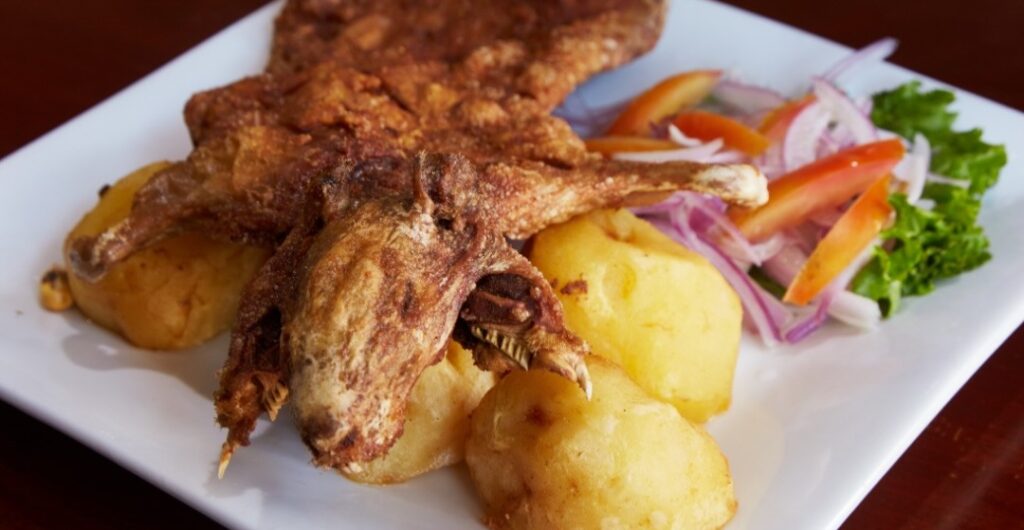
Roast guinea pig has roots in the pre-Inca history of the Andes. Since then, it has been an essential part of the Cusqueñan diet. Today, it is one of the most representative dishes of the imperial city.
The preparation includes guinea pig seasoned with garlic, huacatay, salt, and traditional spices. The dish is enriched with chicha de jora and bay leaf. Then, the guinea pig is roasted until it reaches a crispy golden finish.
It is served with boiled potatoes and fresh salad, although variations exist. A Cusqueñan wheat beer is the perfect complement. Roast guinea pig is an icon of Cusco Peru food, found both in local picanterías and in the best Peruvian restaurants Cusco offers.
Chairo
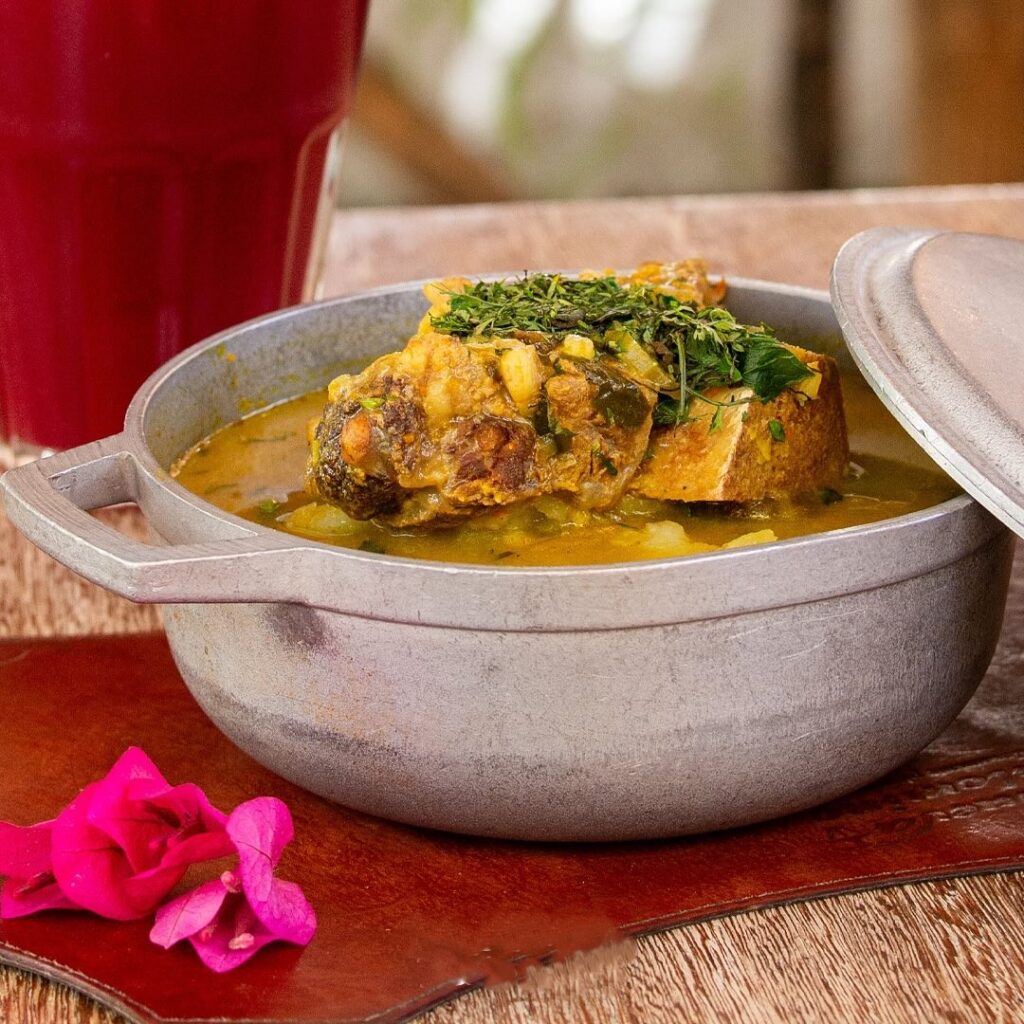
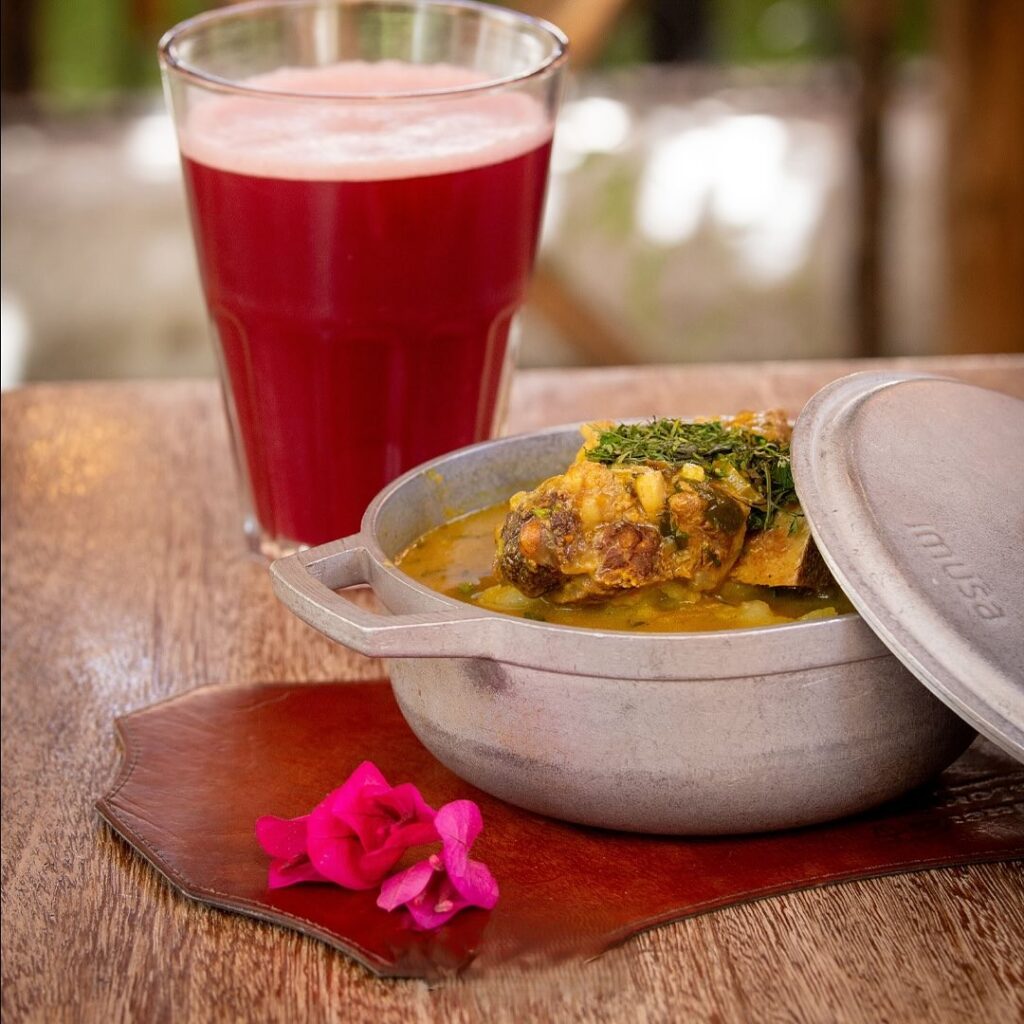
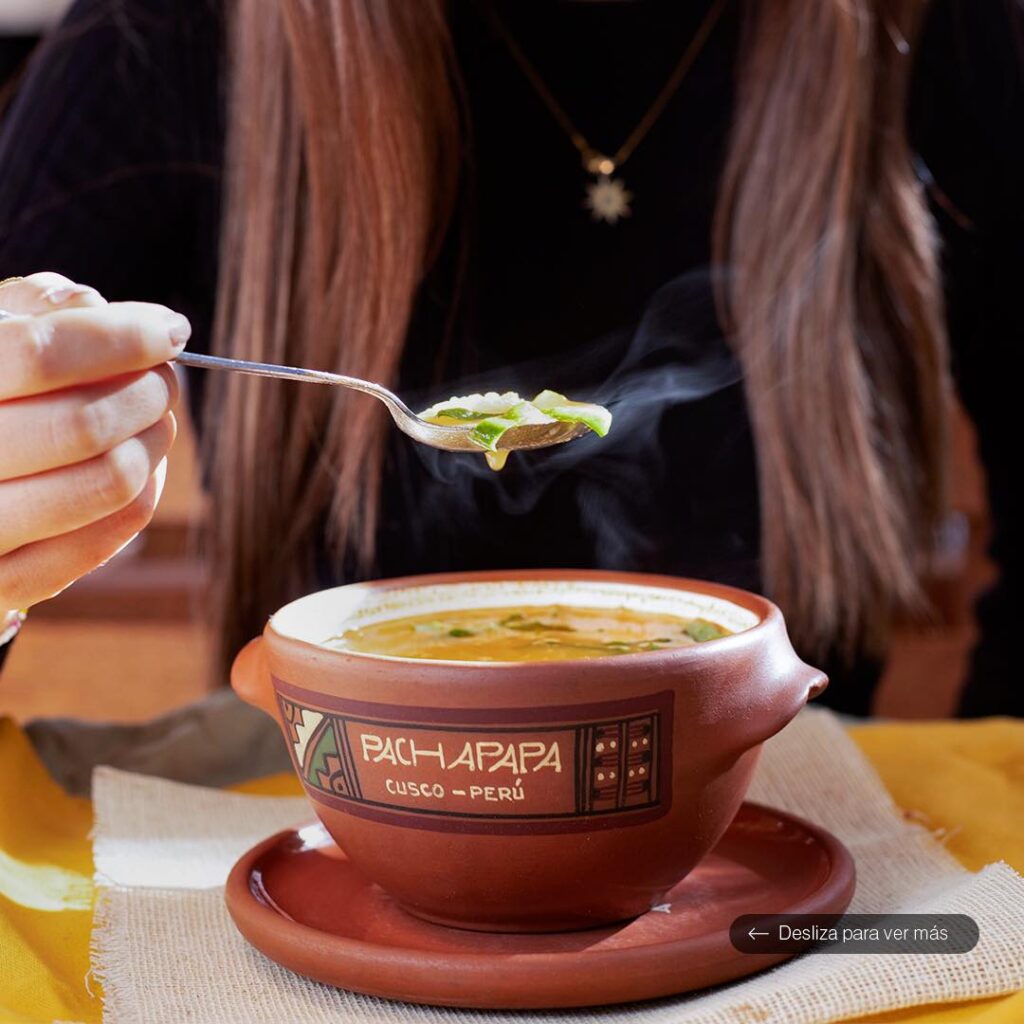
Chairo was born as food for farmers during long workdays. This Andean soup provided strength, warmth, and energy. Today, it remains indispensable in Cusco’s and the region’s cuisine.
Its preparation mixes chuño, dried meats, fava beans, and Andean tubers. Spices add an intense aroma and deep flavor. The result is a thick and highly nutritious soup.
Chairo is served hot, especially during the cold season. It is accompanied by chicha morada or traditional herbal infusions. This dish represents the comforting essence of traditional Cusco food.
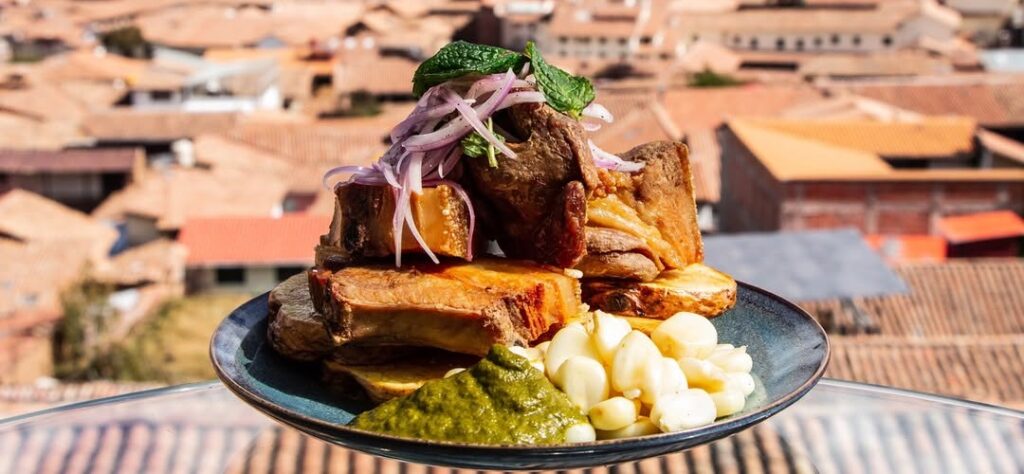
Cusqueñan-Style Pork Cracklings
Cusqueñan-style chicharrón has colonial roots linked to pig farming. Over time, it became a festive dish. The Chicharrón Festival is organized in the district of Saylla, Cusco. It is celebrated in Peru during Independence Day festivities, usually at the end of July.
The recipe uses pork fried in its fat. It is served with mote, mint, boiled potatoes, and onion sauce. The result is juicy and full of flavor.
Its ideal complement is chicha de jora or a Cusqueñan craft beer. Chicharrón is an essential part of family gatherings. Tasting it allows you to appreciate a unique side of Cusco food in the most authentic eateries.
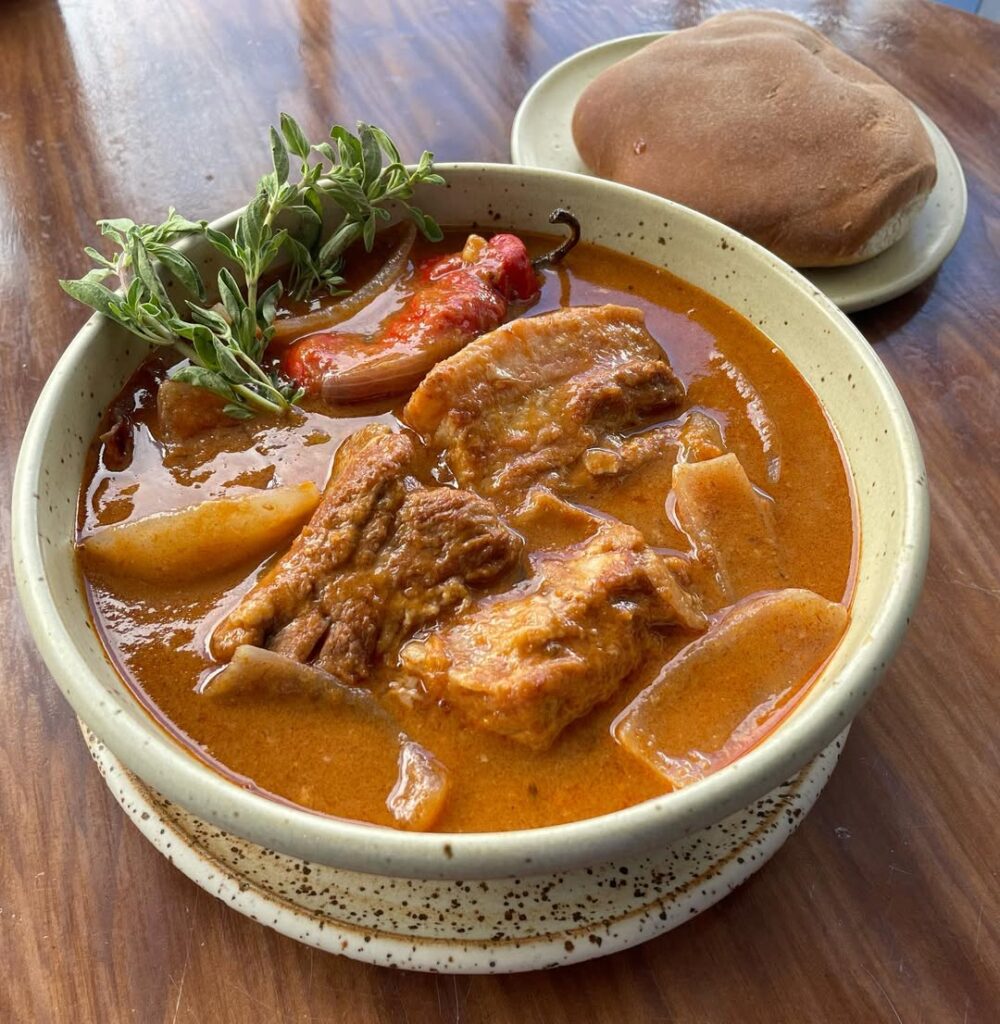
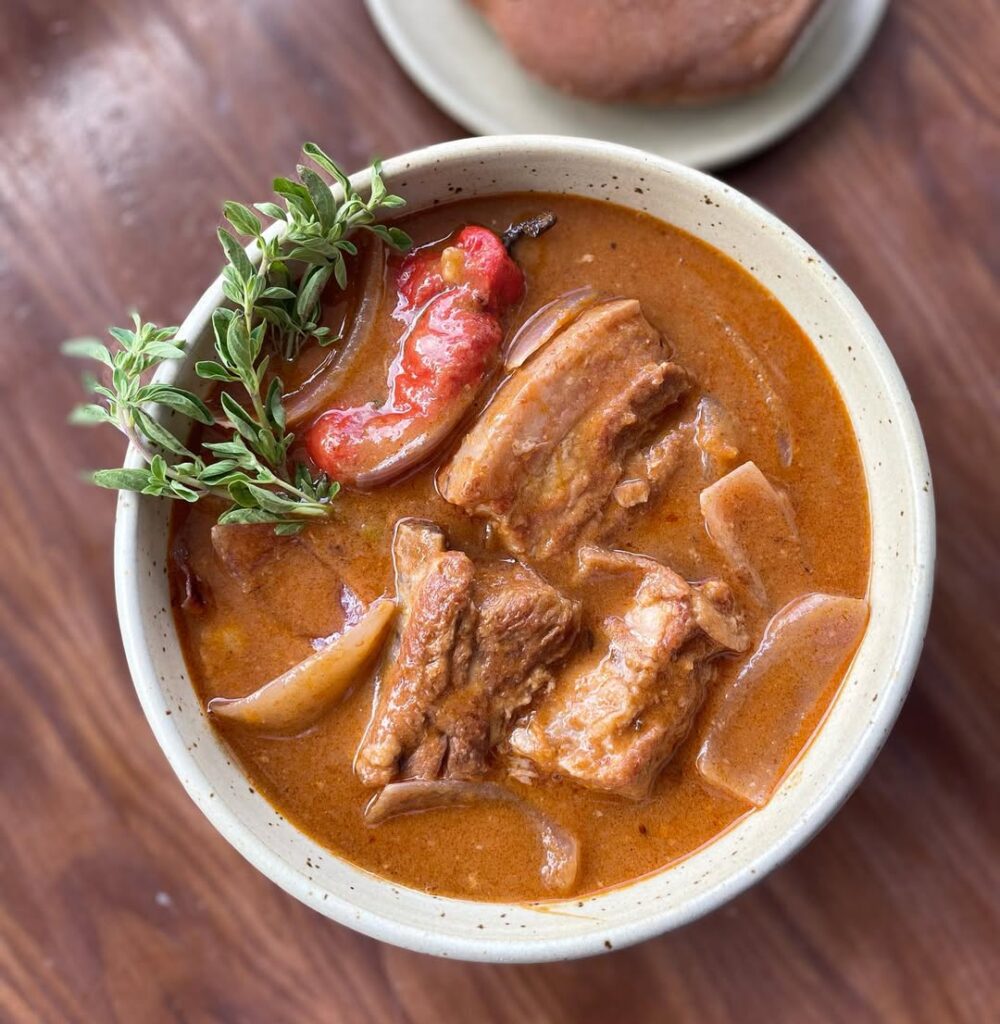
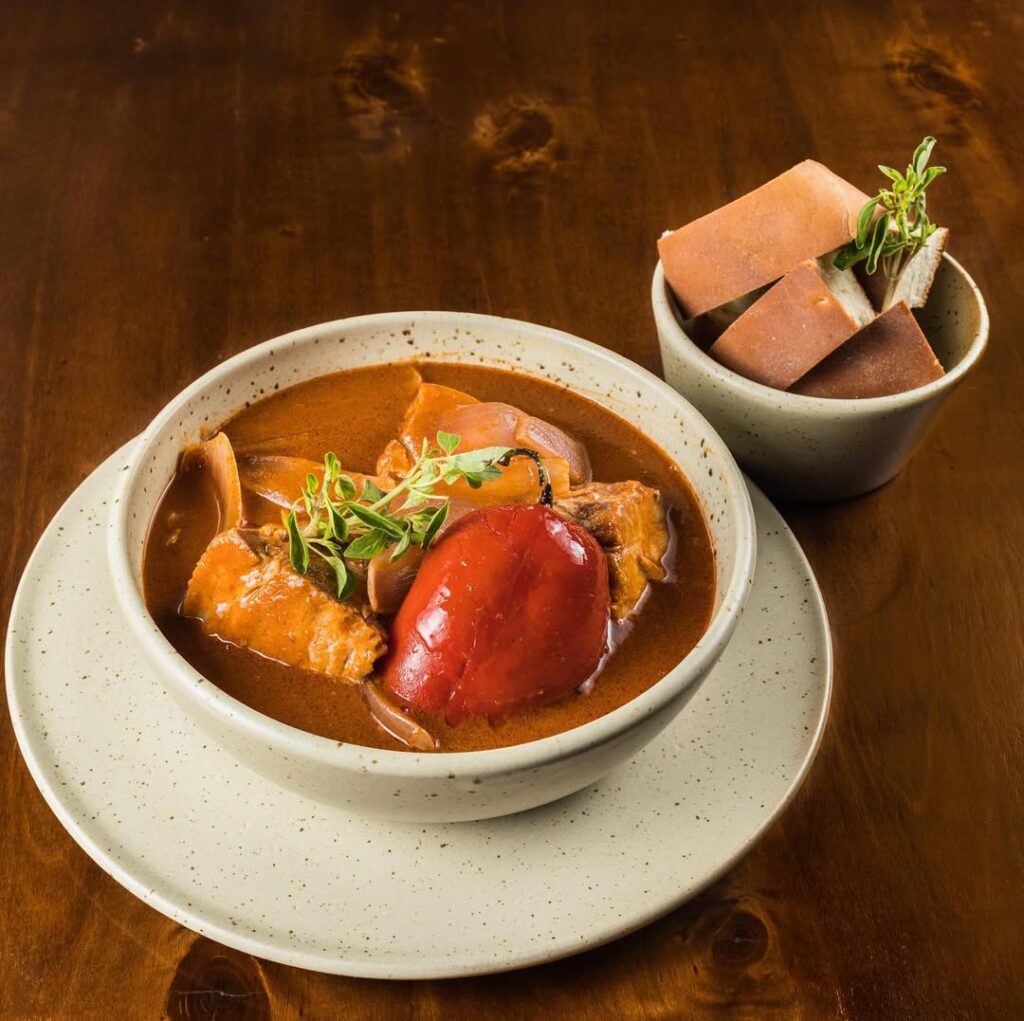
Cusqueñan Adobo
Cusqueñan adobo is especially enjoyed on important dates. It is a dish with colonial roots that became a Sunday tradition. Interestingly, locals consider it an energizing breakfast.
It is prepared with pork marinated in chicha de jora. Rocoto, herbs, and breadcrumbs are added. The stew is slowly cooked until it becomes a thick, reddish broth.
Its slightly spicy flavor is perfect for recovering after a celebration. It is nicknamed “hangover cure” for its revitalizing power. Adobo reaffirms the diversity of traditional Cusco food and stands out as one of the best food in Cusco.
Quinoa Soup
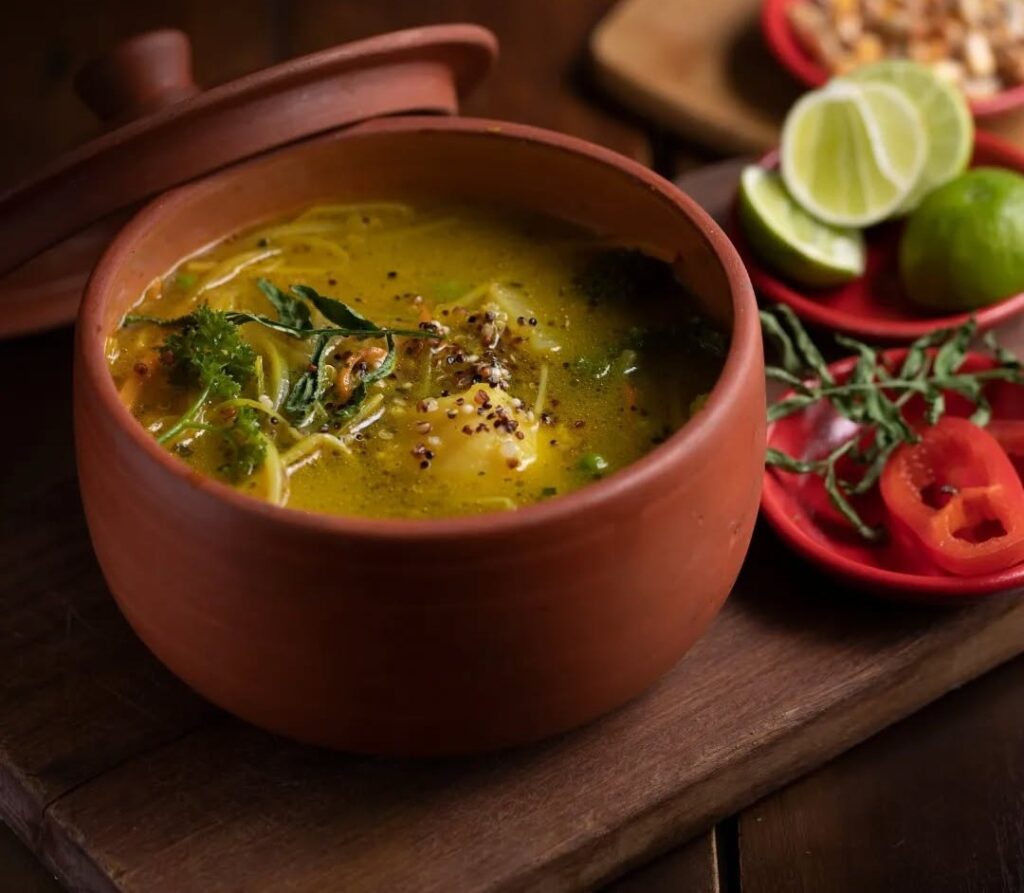
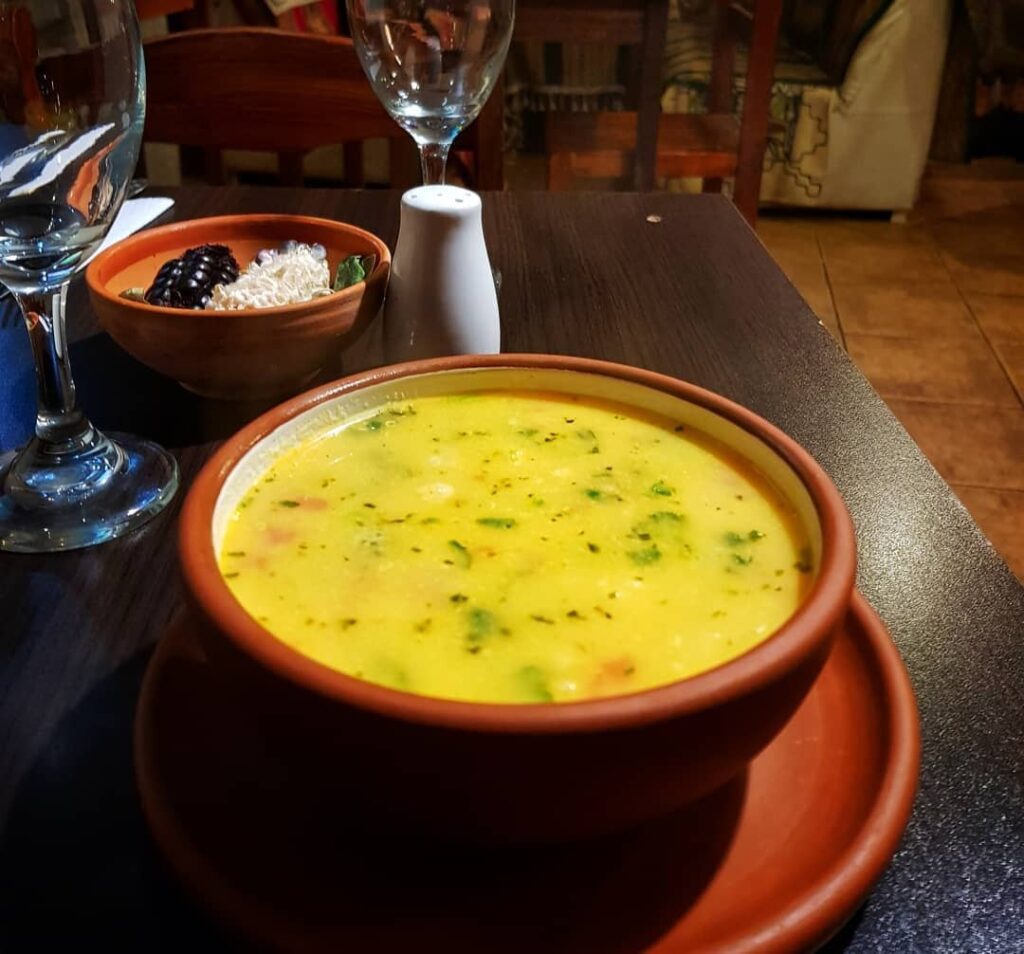
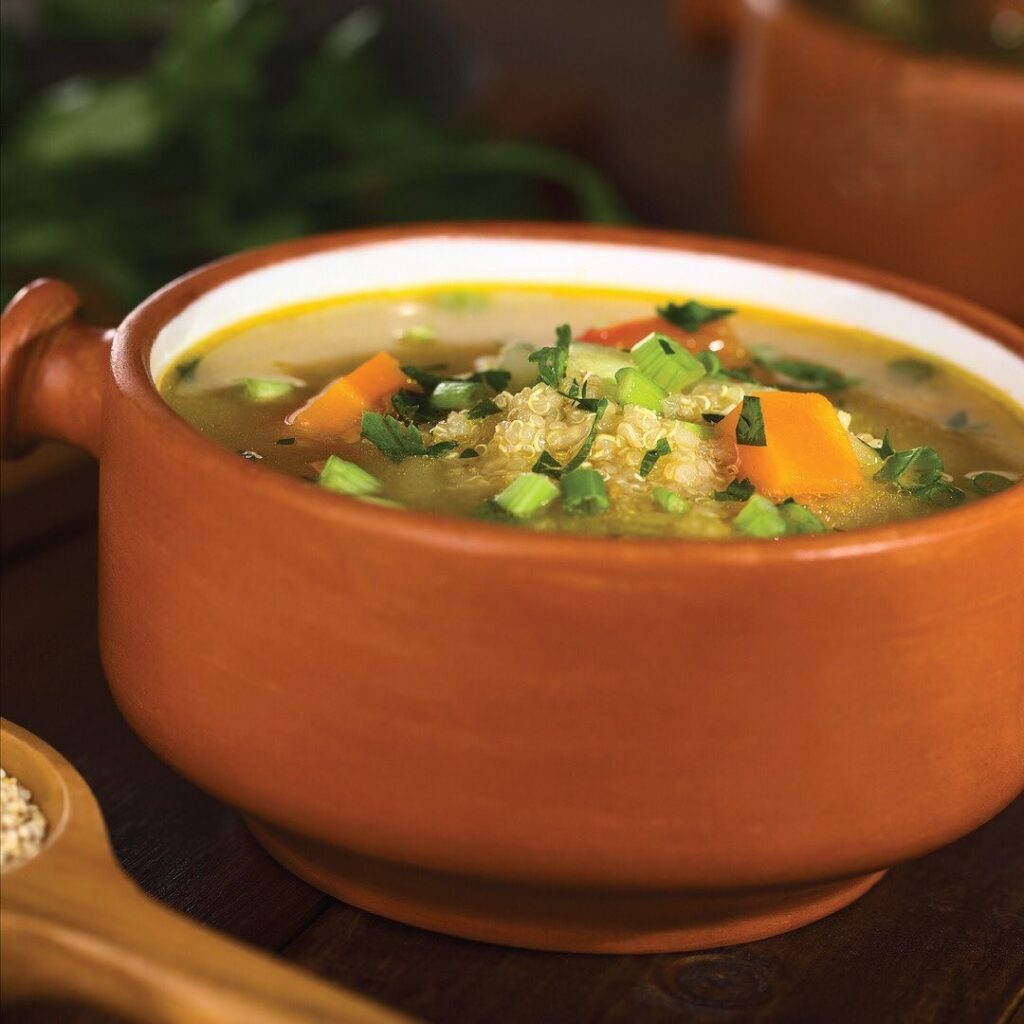
Quinoa is an Andean superfood cultivated for thousands of years. Cusco has kept its culinary tradition alive, and quinoa soup is proof of this.
It is made with quinoa grains, onion, garlic, carrots, potato, pumpkin, and local herbs. The result is a light and highly nutritious dish. It is a meal you will love during your visit to Cusco.
It is served hot, especially in the winter months. It is accompanied by traditional infusions or chicha morada. This healthy soup represents the simplicity of Cusco Peru food.

Cusqueñan Fried Trout
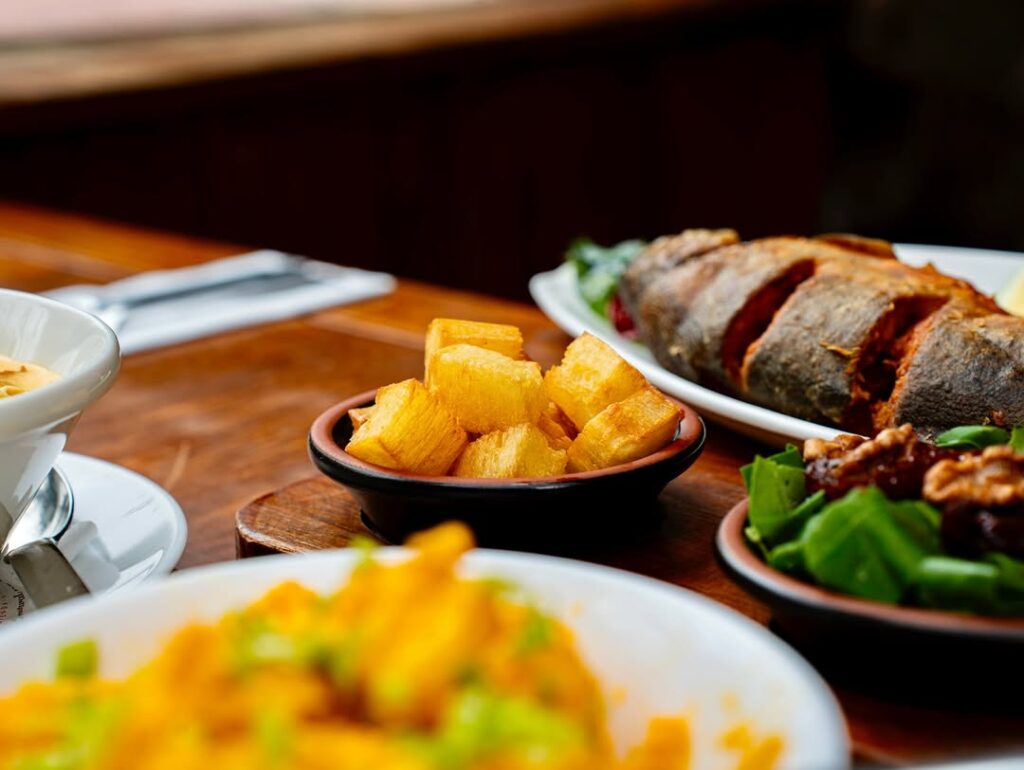
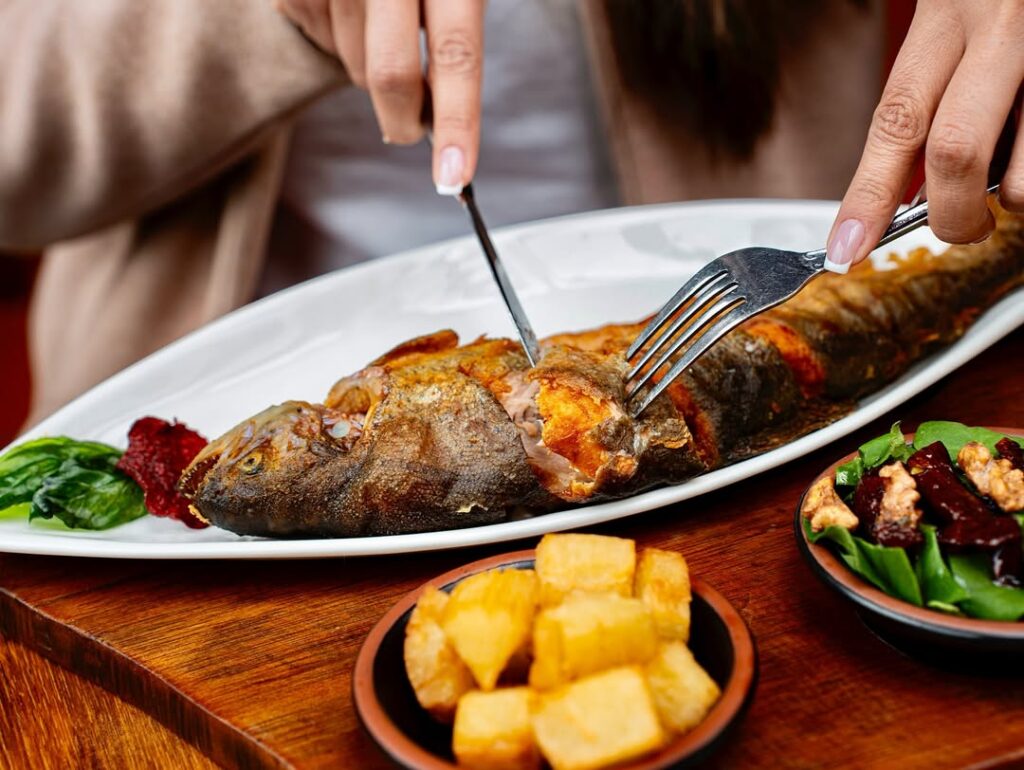
Fried trout is one of Cusco’s most popular dishes. Its origin is linked to the Andean rivers of the region. Today, it is offered in markets, restaurants, and family homes.
Its preparation consists of frying a fresh trout seasoned with garlic, lemon, and pepper. It is served with white rice, potatoes, or salad. The sarsa criolla adds a fresh and vibrant contrast.
This dish combines tradition and simplicity in every bite. Its ideal complement is chicha morada or local infusions such as eucalyptus or cat’s claw. Simple and delicious, it is found in markets, family homes, and any authentic Peruvian restaurant serving Cusco food

Corn with Cheese
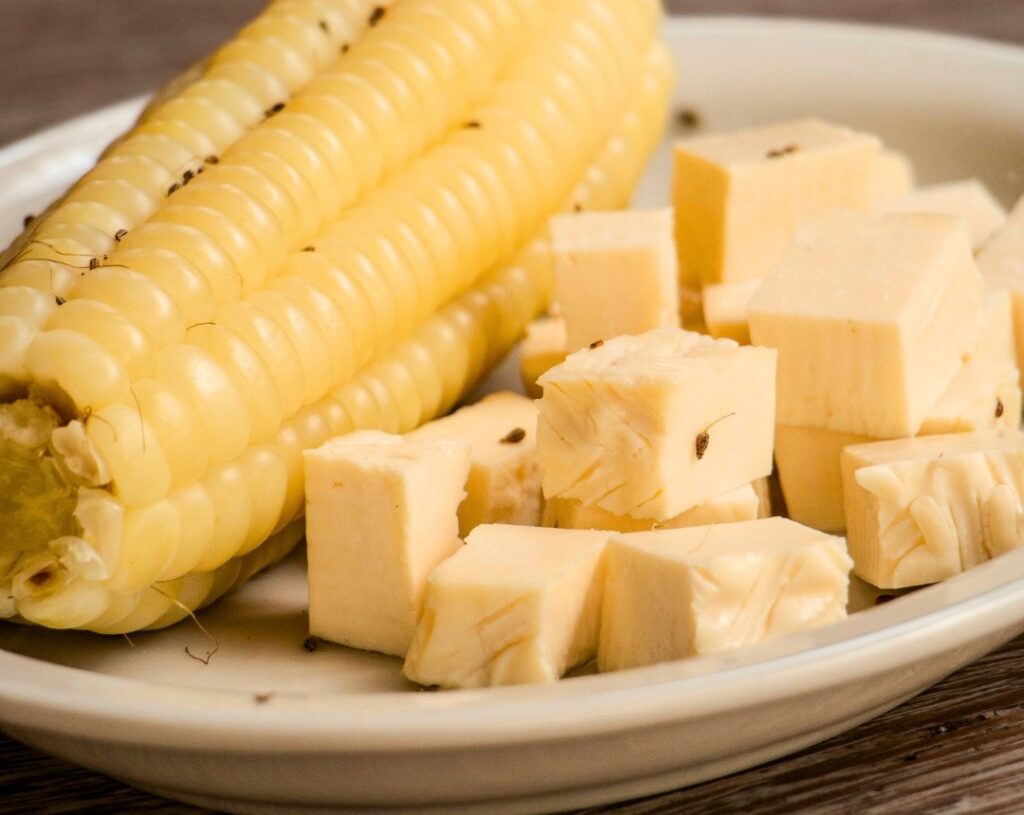
Choclo con queso is a traditional snack from the Sacred Valley. Its popularity makes it part of daily life in Cusco. It is simple, nutritious, and delicious.
The recipe uses large, sweet corn kernels. It is boiled and served with salty fresh cheese. This simple combination offers a perfect balance of flavors.
It is consumed in markets, tourist stops, and local homes. It is ideal as a snack during city tours. Choclo con queso completes the experience of traditional Cusco food and is usually available in the busiest eateries offering the best food in Cusco.
Typical Food from Cusco in Machu Picchu
When you arrive in the Machu Picchu area, you’ll find gastronomic options where Cusco Peru food blends with tourist offerings. In the town of Aguas Calientes, restaurants abound serving fried trout, roast guinea pig, and other typical dishes. This variety allows you to taste Cusco food close to the archaeological site.
Many of these establishments stand out for their menus of traditional Peruvian food combined with Cusqueñan recipes. The Sanctuary Lodge restaurant offers a buffet with local and international options right on the route to the citadel. There, you can enjoy the best Peruvian food Cusco contributes to Peruvian gastronomy before starting your hike.
In Aguas Calientes, there are also affordable alternatives at the local market. The food stalls offer quinoa soup, fried trout, and simple, inexpensive dishes. This option lets you try traditional Cusco food without spending too much of your budget.
Flavors Near the Archaeological Site
Close to the tourist entrance to Machu Picchu is the Tampu Lodge restaurant inside the Sanctuary Lodge hotel. This restaurant serves Peruvian criollo dishes and Cusco Peru food specialties.
Many visitors recommend trying the fried trout with salad and rice. It is a light, fresh dish, widely available in Peruvian restaurants around Aguas Calientes. This option illustrates how Cusco food adapts to tourism in Machu Picchu.
You will also find trout ceviche on the menus of coastal restaurants adapted to the area. This regional version combines river fish cured in citrus with local mussels. In this way, traditional Cusco food embraces Amazonian and Andean influences in Machu Picchu.
If you plan to continue your trip to Machu Picchu, we recommend reading our blog: Aguas Calientes: Guide to Machu Picchu Pueblo, which can help you better organize your visit and make the most of your experience.
Authentic Ingredients of Cusqueñan Food
Cusco’s culinary richness is explained by its native ingredients combined with products introduced by the Spaniards. Each food carries history, tradition, and flavor, forming the basis of recipes still enjoyed in homes and picanterías. Tasting these ingredients brings you closer to the essence of Cusco food.
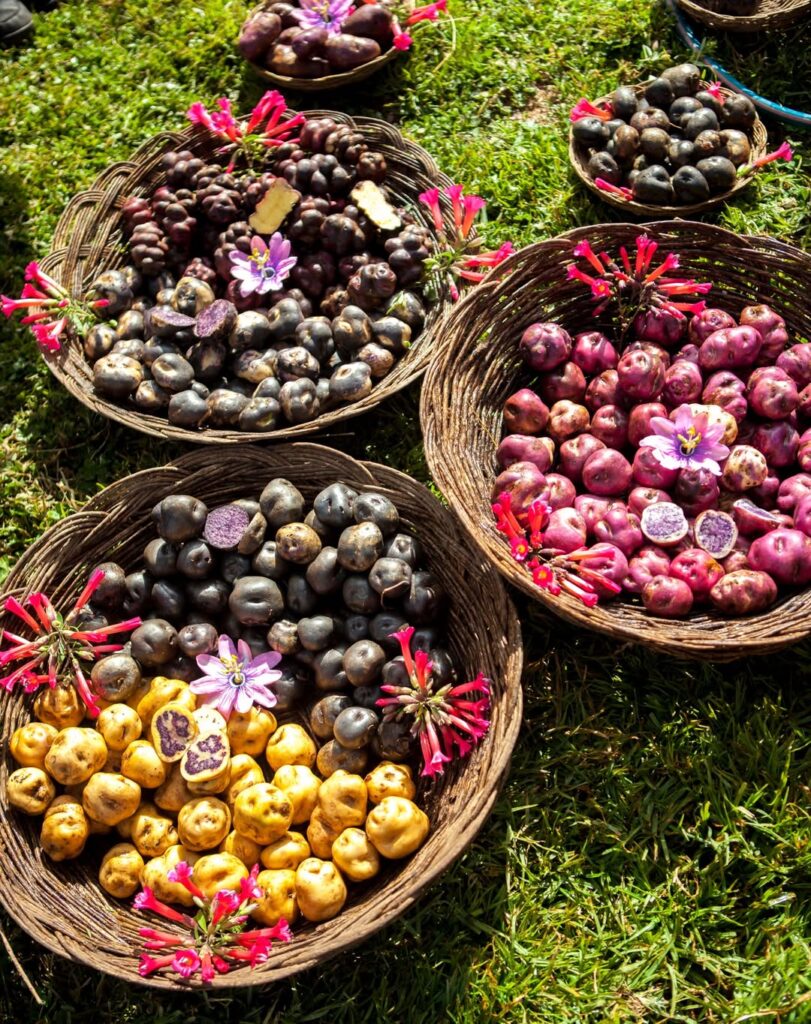
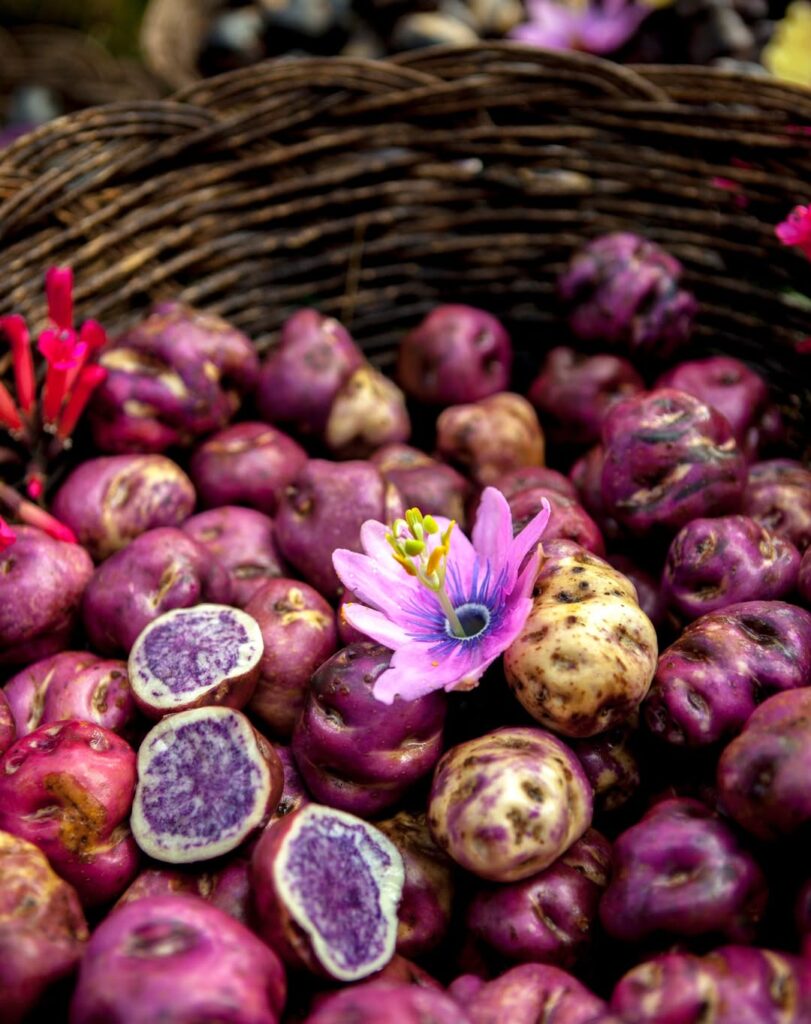
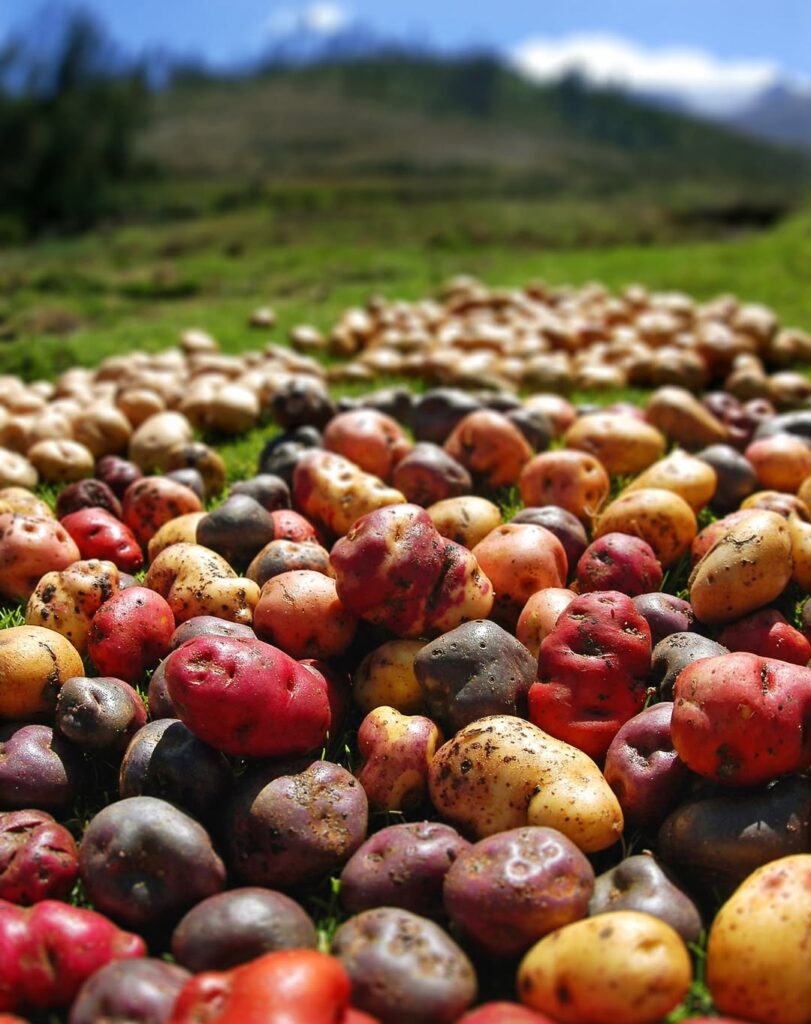
The potato is the greatest Andean symbol, with nearly 4,000 varieties registered in Peru. In Cusco, it is used in broths, huatias, and side dishes that highlight its diverse textures and colors. Alongside it, oca offers sweet and sour flavors, transformed into stews, fried dishes, and purées.
Quinoa, considered a superfood, has ancestral roots and has been cultivated in the Andes for thousands of years. It is used in soups, salads, and stews, providing energy and nutrition. Similarly, Cusqueñan corn or choclo, with its large and sweet kernels, enriches tamales, stews, and traditional drinks like chicha de jora.
Another essential element is chili peppers, especially the yellow ají and ají panca. These not only provide color and aroma but also a moderate spiciness that distinguishes regional cuisine. Huacatay, a native aromatic herb, adds an unmistakable herbal touch to sauces such as ocopa or to stew seasonings.
Protein also holds an important place in the Cusqueñan diet. Guinea pig is a cultural emblem, and its meat stars in traditional Cusco food such as cuy chactado or roast guinea pig. Alpaca meat, lean and of high quality, is ideal for stews and roasts, while trout from high-altitude rivers and lagoons is served fried or grilled, making Cusco Peru food a balanced and varied culinary tradition.
Tips to Enjoy Cusqueñan Ingredients
- Acclimatize before trying heavy meals to avoid altitude-related discomfort.
- Visit local markets like San Pedro or San Blas to discover fresh products at accessible prices.
- Taste dishes in traditional picanterías, where recipes retain their authenticity.
- Try trout at fish farms or nearby lagoons, freshly prepared for a unique experience.
- Pair your meals with traditional drinks like chicha de jora, frutillada, or herbal teas.
- Bring back culinary souvenirs like quinoa, purple corn, or Cusqueñan chocolates made with Andean cacao.
- Dare to try guinea pig, one of the most representative dishes of Cusco food.
Conclusion
Exploring Cusco’s food is discovering centuries of history, tradition, and flavor in every bite. Each dish reflects the fusion between ancestral ingredients and colonial influences, creating a unique experience in your culinary journey.
Dare to try delicious traditional Cusco food in a local market, in a traditional Peruvian restaurant, or even in the best Peruvian food Cusco restaurants in the city. Live this gastronomic adventure with Peru Hike and make your trip to Peru an unforgettable memory.