




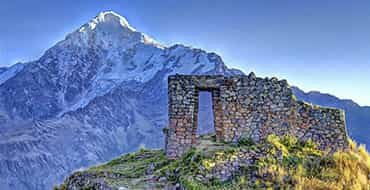
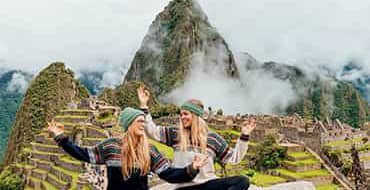



Planning a trip to the iconic Inca citadel of Machu Picchu in Peru? Don’t miss the awe-inspiring Huayna Picchu Mountain. This majestic peak, dramatically rising above the horizon, provides a stunning backdrop to Machu Picchu and offers a unique adventure for thrill-seekers.
Huayna Picchu Mountain is not just visually breathtaking; it presents an unparalleled challenge for those looking beyond the ordinary. With its steep trails and panoramic views that will leave you breathless, this mountain adds extra excitement to your Machu Picchu experience.
Ready to conquer its heights and discover breathtaking landscapes? Don’t wait. Book your adventure now and create memories that will last a lifetime. Huayna Picchu is calling!
What is Huayna Picchu Mountain?
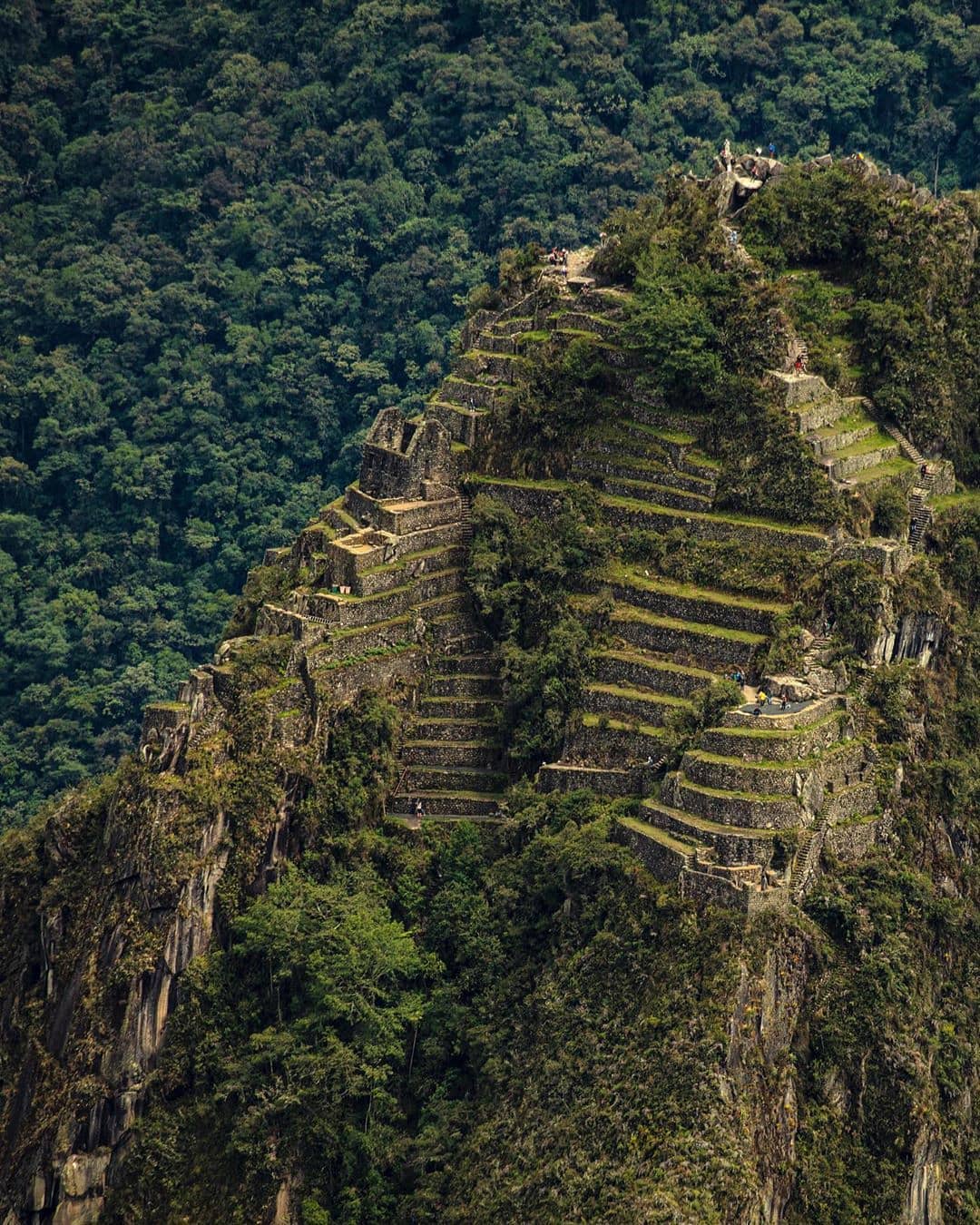
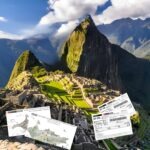
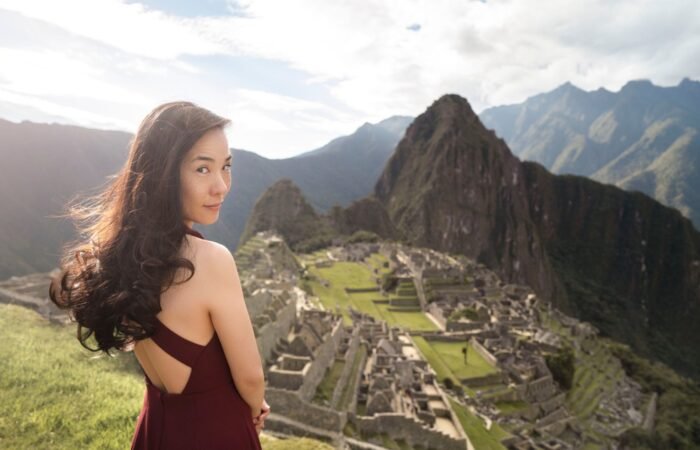
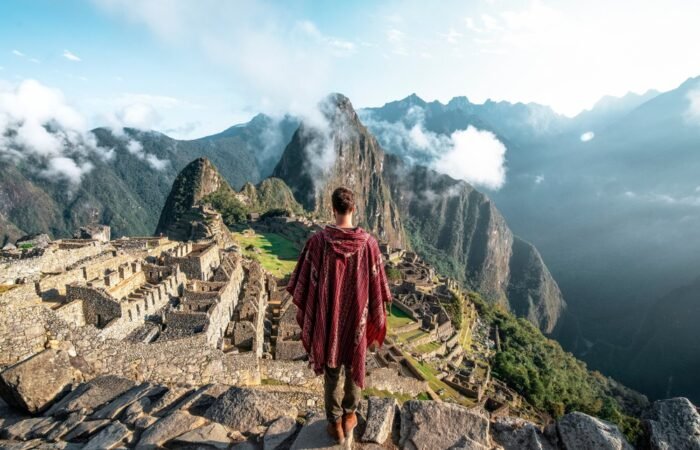
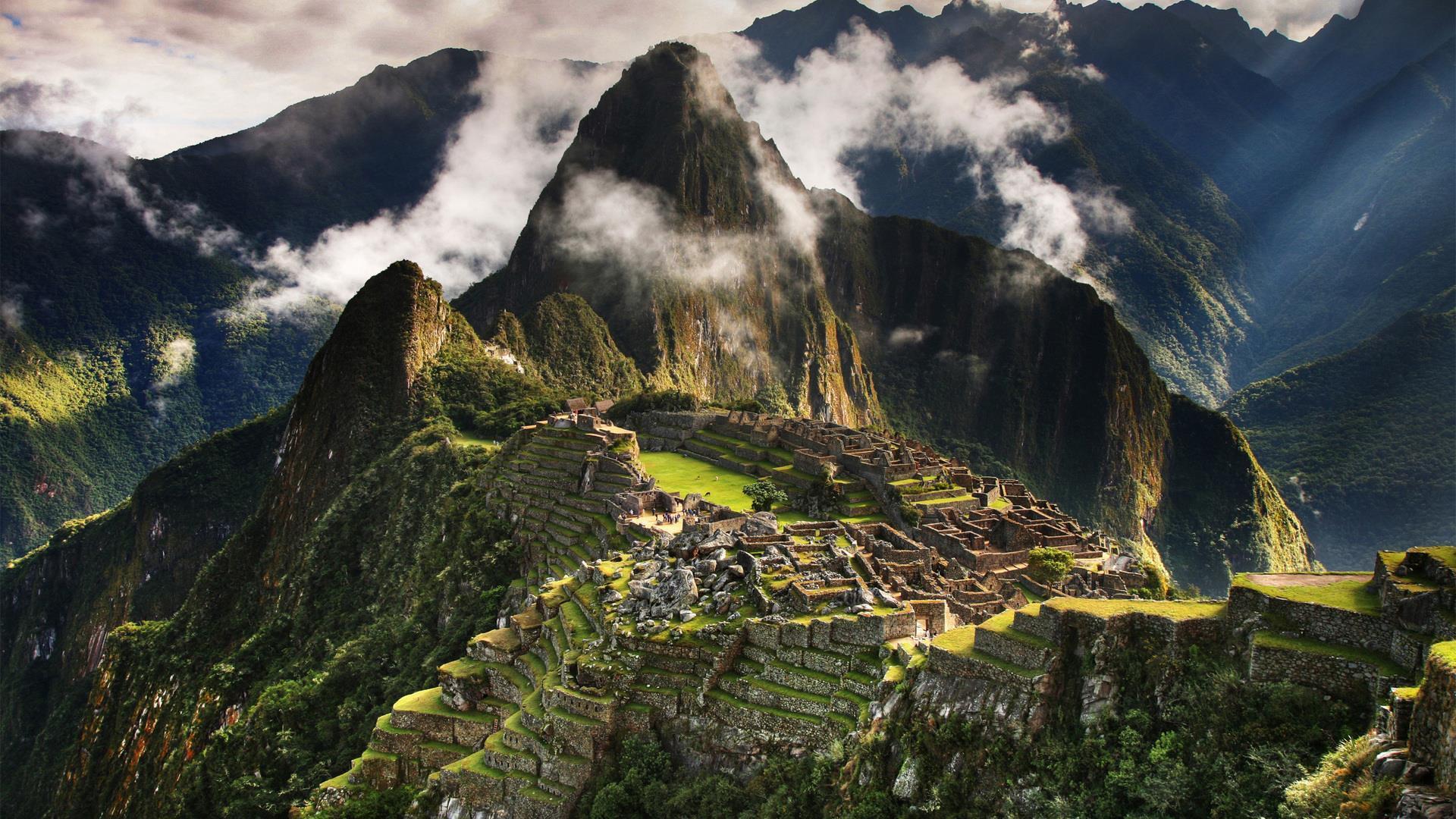
Huayna Picchu, also known as Wayna Picchu, is one of the towering mountains that rise above the citadel of Machu Picchu in Peru. This majestic peak is integral to the iconic image that defines and frames this ancient Inca site, making it an unmistakable landscape symbol.
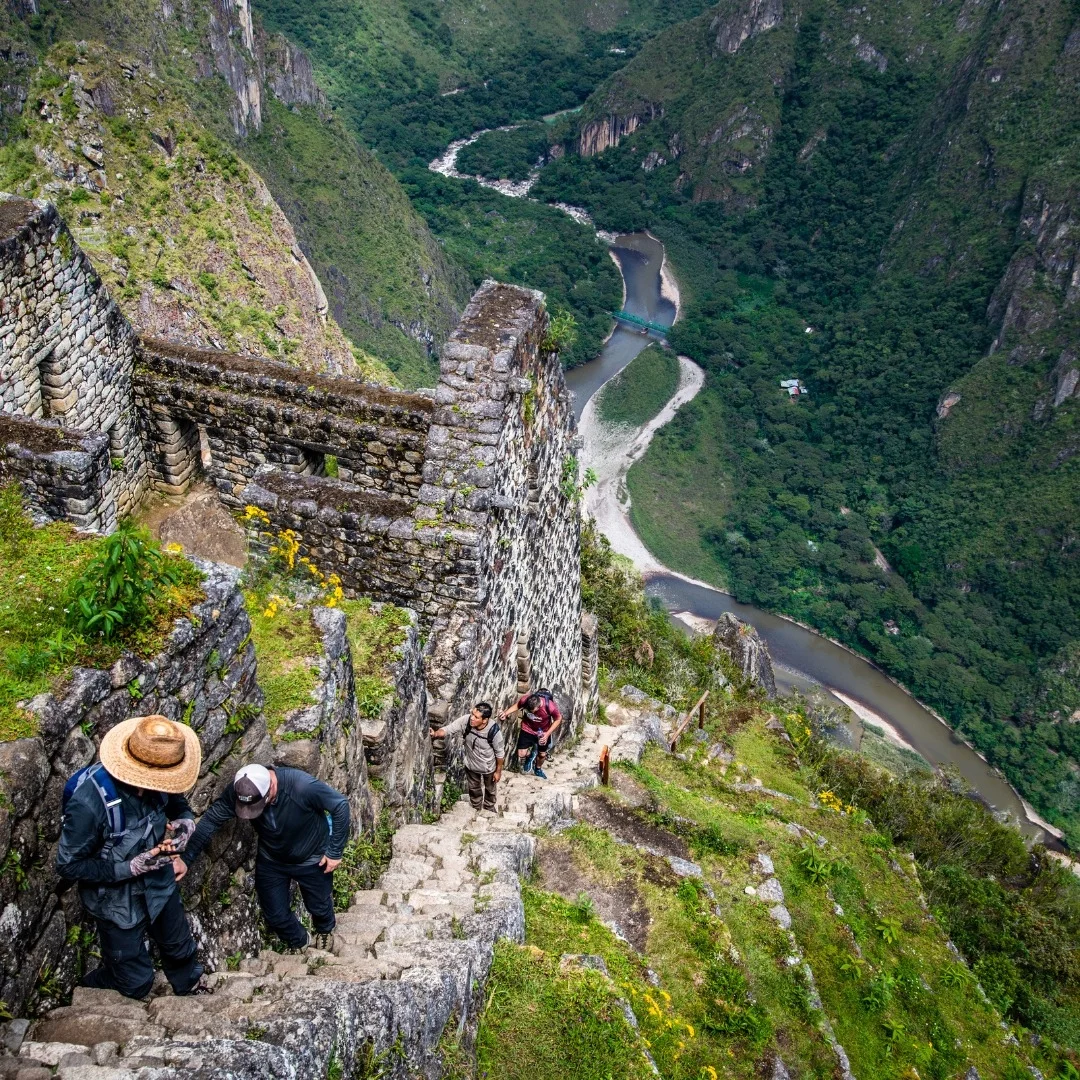
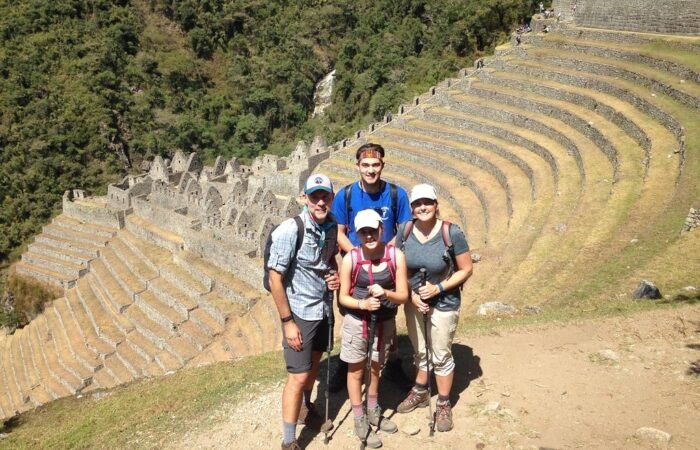
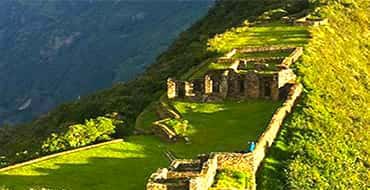
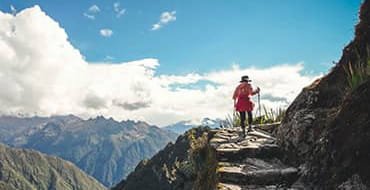
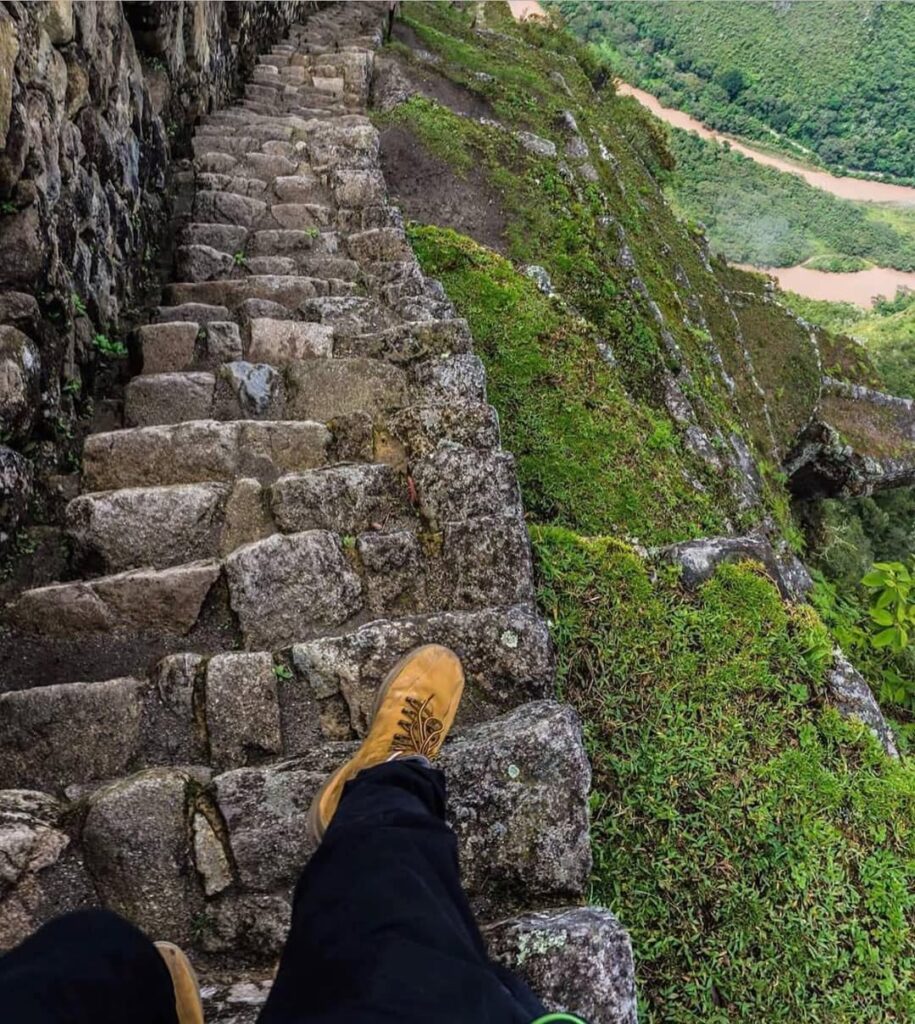
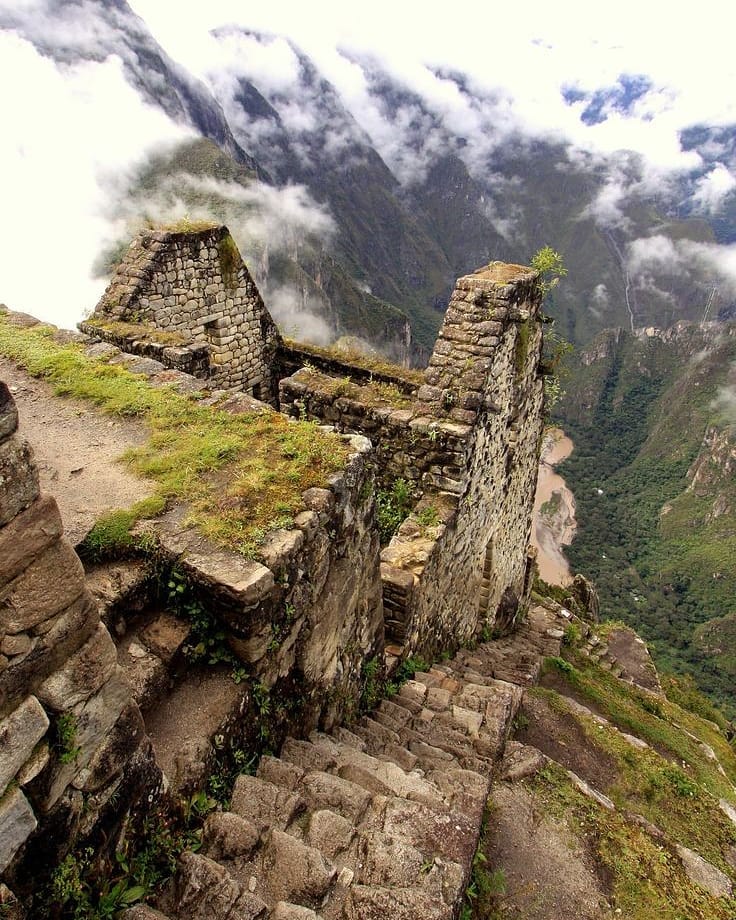
During the hike to the summit of Huayna Picchu, you will face challenging steep and narrow staircases, famously known as the “stairs of death.” However, the effort is well worth it: along the way, you will discover Inca terraces, sacred temples, and lush vegetation, including exquisite orchids. Additionally, breathtaking panoramic views will reward you, leaving you in awe as they offer a unique perspective of Machu Picchu and its surroundings.
This tall, green, and pointed mountain, which appears in the background of classic Machu Picchu images, derives its name from Quechua, meaning “young mountain.” It is an essential visual element and a destination that combines history, adventure, and nature into an unforgettable experience.
History of Huayna Picchu Mountain
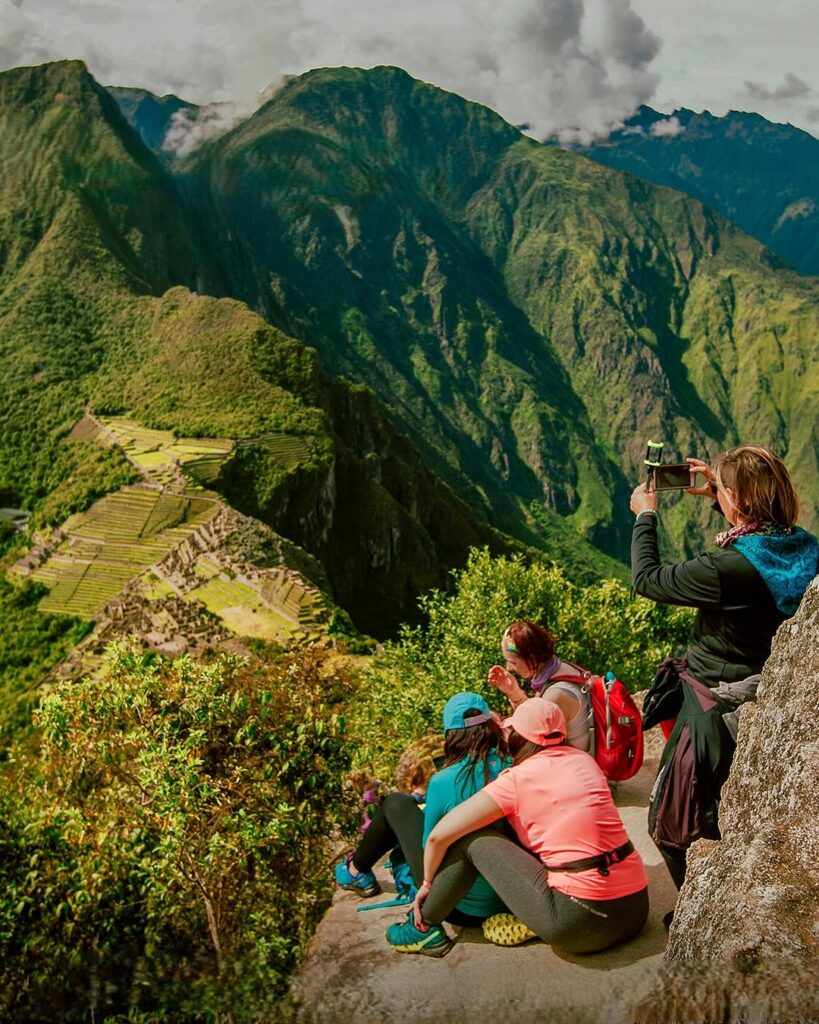
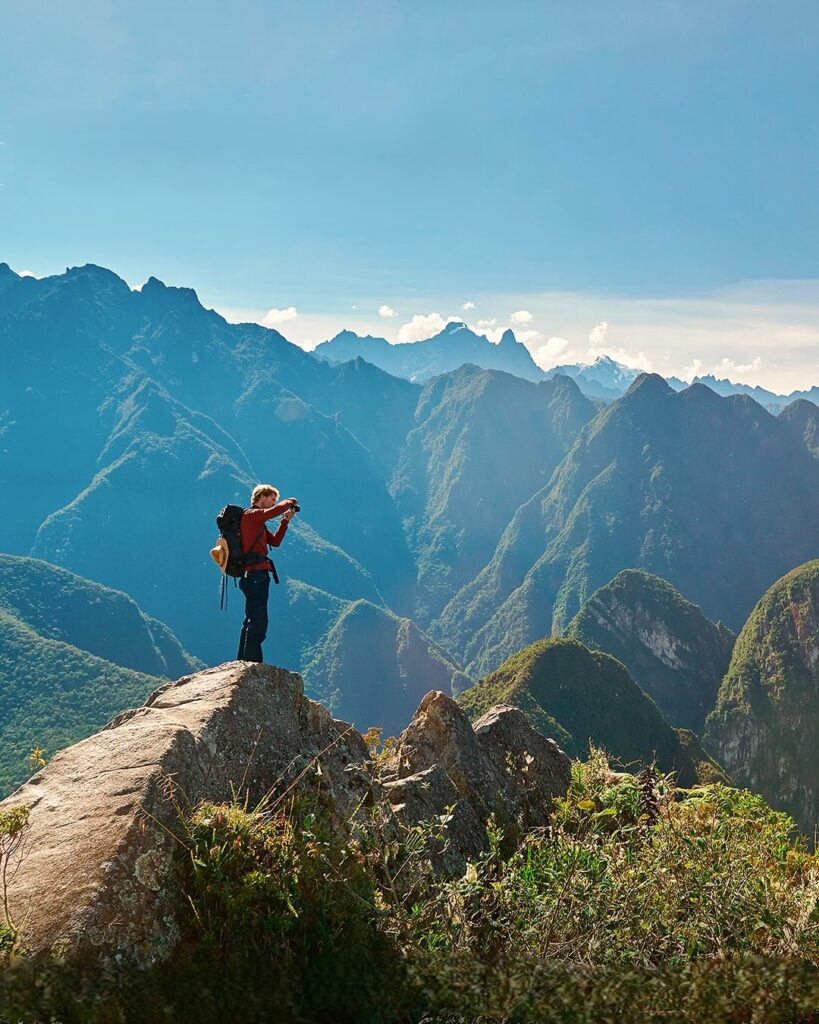
Huayna Picchu Mountain played a pivotal role in the Inca civilization and the history of Machu Picchu. This majestic peak is a sacred and spiritual site where the Incas conducted essential ceremonies and rituals. On its steep slopes, the Incas demonstrated their extraordinary architectural prowess by building agricultural terraces and other remarkable structures that amaze us today.
Its strategic location also suggests it functioned as a defensive lookout, providing sweeping views of Machu Picchu and the surrounding areas. This mountain underscores its spiritual significance and practical utility within the Inca Empire.
Although Huayna Picchu initially garnered less attention after Machu Picchu’s rediscovery in 1911, it has since been carefully restored and preserved. Today, it stands as a must-visit destination for travelers worldwide. Delving into its captivating history and soaking in the stunning vistas from its summit is an unforgettable experience you won’t miss.
The Importance of Huayna Picchu
Huayna Picchu (also spelled Waynapicchu) is a trek tailored for thrill-seekers and adventurers in top physical shape. Did the Incas build remarkable structures on its steep slopes, demonstrating their ingenuity and engineering prowess? Those who secure their spot well in advance can conquer its summit and explore its surroundings, marveling at the ancient Inca ruins and the awe-inspiring, rugged landscape that frames this iconic site.
Known as the steepest and most challenging trail in Machu Picchu National Park, this hike requires both hands and feet to navigate certain sections, adding an extra thrill to the adventure. But the effort pays off: every adventurer who completes this journey leaves exhilarated and eager to share their triumphant photos as true conquerors of Huayna Picchu!
Huayna Picchu: Location and Altitude
Huayna Picchu stands majestically in the heart of the Andes mountain range in Peru’s Cusco region, serving as a timeless guardian of history. Situated in the Urubamba Province, about 80 kilometers northwest of the bustling imperial city of Cusco, this iconic peak is part of the Machu Picchu Historical Sanctuary. Its awe-inspiring presence adds to the grandeur of the Vilcabamba mountain range.
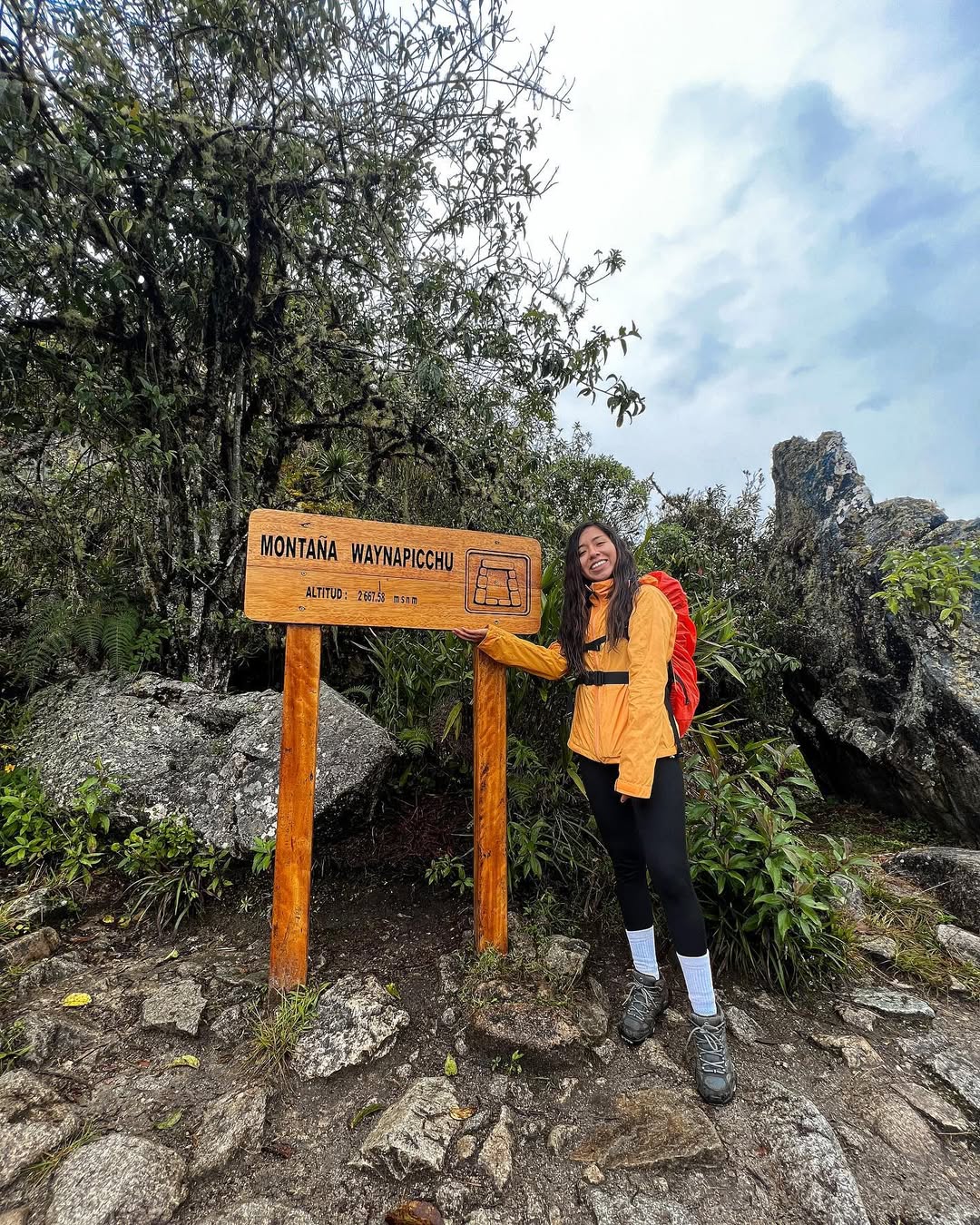
At an elevation of approximately 2,693 meters above sea level (8,835 feet), Huayna Picchu Mountain offers an unparalleled adventure for thrill-seekers. However, access to its summit requires the most in-demand ticket and daily visitor quotas are limited. Planning is essential to secure your spot.
Huayna Picchu Mountain: Entry Times and Tips for Your Visit
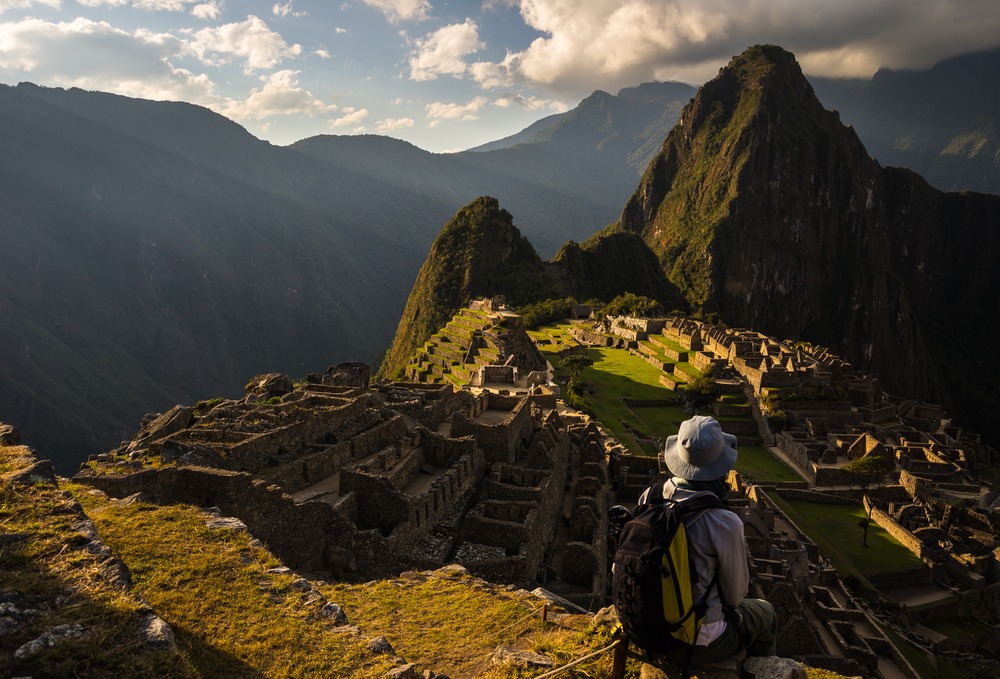
Planning to climb the iconic Huayna Picchu Mountain? Booking your ticket in advance is crucial, as demand fluctuates by season and slots fill up fast. To maximize your experience, carefully plan your time to explore both Machu Picchu and Huayna Picchu Mountain. Here’s everything you need to know about entry times and how to prepare for this unforgettable adventure.
First Entry Slot: 7:00 a.m.
Ideal for those staying overnight in Aguas Calientes, the 7:00 a.m. slot allows you to board early buses and ascend before sunrise. Enter the Machu Picchu citadel at 7:00 a.m. to reach the Huayna Picchu Mountain checkpoint by 8:00 a.m. (the journey takes about an hour, including crossing part of the citadel). This early start offers stunning views and a magical atmosphere. Only 175 online a nd 25 in-person slots (available at the https://tuboleto.cultura.pe/llaqta_machupicchu – Cusco office) are available, so book early to secure your spot.
Second Entry Slot: 10:00 a.m.
The 10:00 a.m. slot is perfect for travelers who’ve completed routes like the Short Inca Trail, Salkantay Trek, Lares Trek, or train tours. Enter Machu Picchu at 10:00 a.m. and reach the Huayna Picchu checkpoint by 11:00 a.m. after crossing the citadel. We recommend exploring Machu Picchu before your ascent, which takes about 1.5 hours to the summit and a similar time for the descent. Like the first slot, only 175 online and 25 in-person tickets are available, so booking is essential.
Plan, book early, and prepare for an unforgettable journey to the top of Huayna Picchu Mountain!
Huayna Picchu Mountain Ticket
Planning to visit Huayna Picchu Mountain? Here’s everything you need to know about securing your ticket and making the most of this unforgettable adventure. The Dirección Desconcentrada de Cultura has updated access protocols to enhance the visitor experience, so staying informed is key.
Learn more about the three circuits and routes to Machu Picchu in our blog:
Ticket Type:
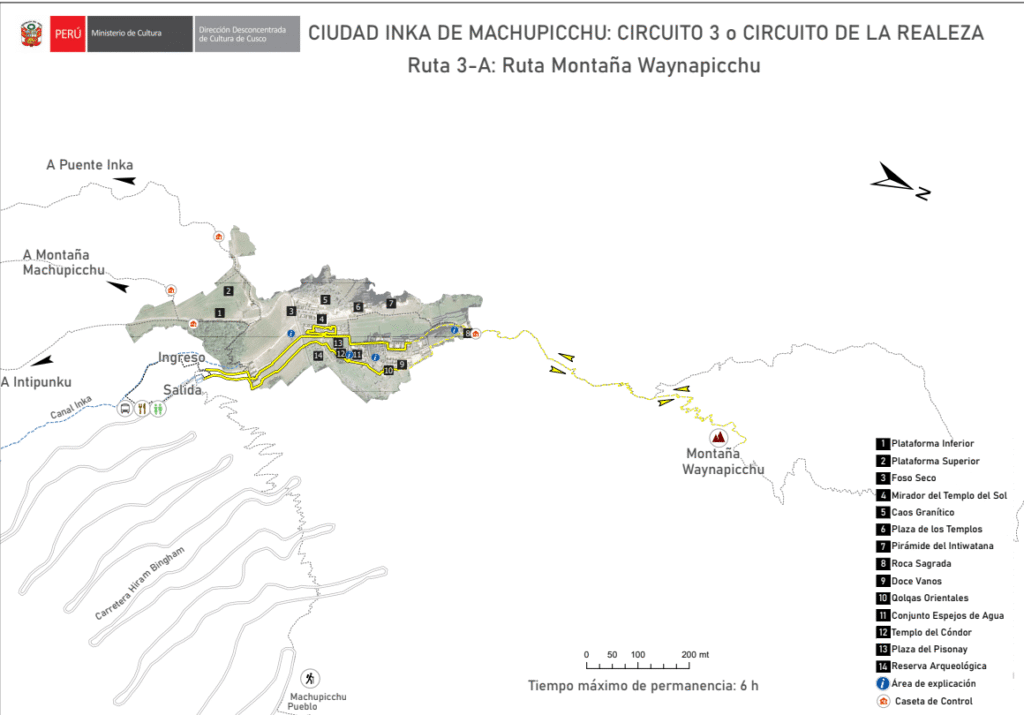
To explore Huayna Picchu, purchase Circuit 3, Machupicchu Realeza, Route 3-A: Huayna Picchu Mountain Route ticket. This ticket grants access to one of the most exhilarating experiences at Machu Picchu.
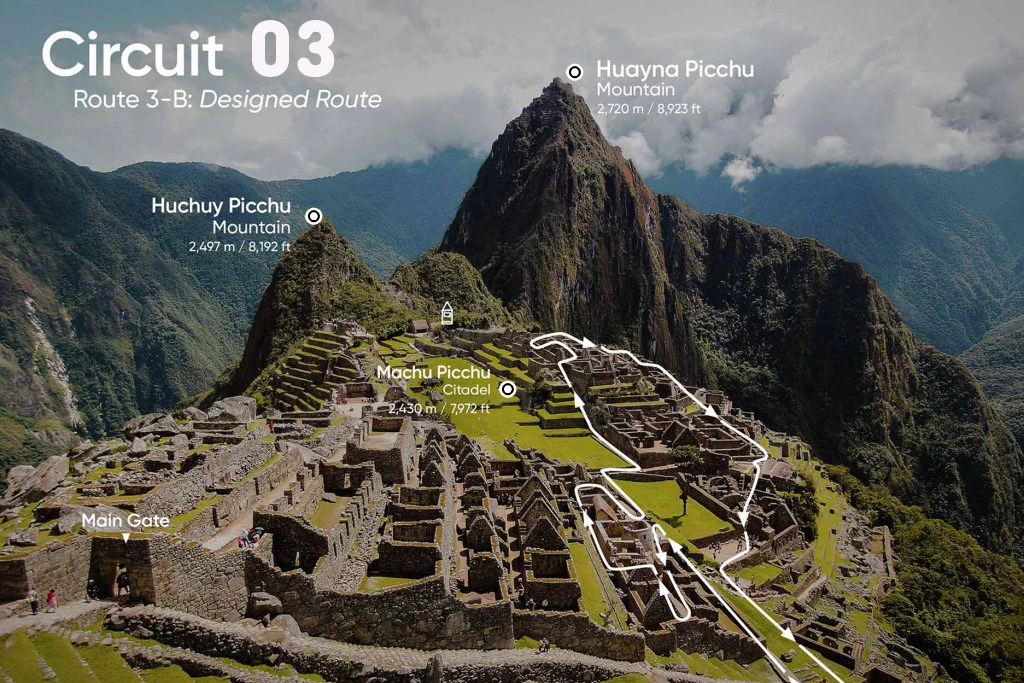
The 2.4-kilometer trek to the summit of Huayna Picchu is both challenging and rewarding. Recognized as a sacred site of astronomical importance to the Incas, the mountain offers breathtaking panoramic views of Machu Picchu and the surrounding Apus (sacred peaks). You’ll witness the perfect harmony between Inca architecture and the natural landscape from the top.
Route 3-A: Huayna Picchu Route Highlights
- Spectacular Views: Enjoy unparalleled vistas of Machu Picchu and its surroundings.
- Cultural Significance: Connect with the history and spirituality of this sacred site.
- 6-Hour Limit: Take time to explore, take photos, and soak in the mountain’s energy.
- What You’ll See Along the Way:
- Sun Temple Viewpoint
- Inca House Complex
- Sacred Rock
- Twelve Windows
- Eastern Qolqas (Storage Units)
- Water Mirror Complex
- Temple of the Condor
- Pisonay Plaza
- Archaeological Reserve
- Preparation Tips:
- Bring sufficient water, sunscreen, insect repellent, and proper footwear.
- Ensure you’re physically prepared for the demanding yet rewarding ascent.
Don’t miss this chance to experience Machu Picchu from a unique perspective. Book your Huayna Picchu Mountain ticket today and embark on an adventure of a lifetime!
Huayna Picchu Mountain: What to Expect on Your Hike
The Trail to Huayna Picchu
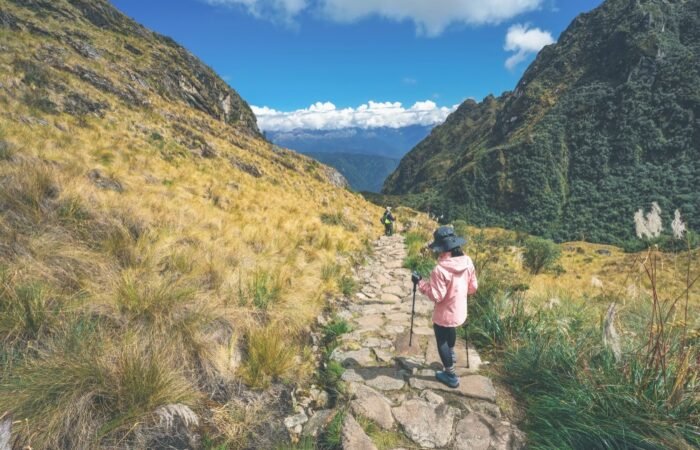
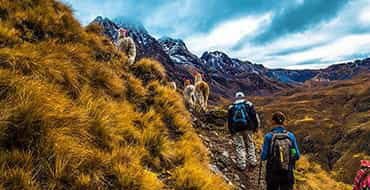
The journey to Huayna Picchu Mountain begins with a gentle slope shared with hikers heading to Huchuy Picchu. At a marked junction, you’ll take the right path toward Huayna Picchu, an ancient Inca site used for rituals and surveillance. From the base, the ascent involves climbing approximately 750 steep Inca stone steps, some secured with ropes for safety. The trail can become slippery during the rainy season, so proper footwear and sun protection are essential.
Along the way, you’ll find rest platforms offering breathtaking landscape views. These spots are perfect for capturing photos of the Inca architecture, agricultural terraces, and the ever-shrinking view of Machu Picchu below. Near the summit, you’ll face the infamous “Stairs of Death” and a narrow tunnel before reaching the top, where panoramic views await. At the summit, you’ll have two options:
- Short Trail: Return (carefully) via the same path.
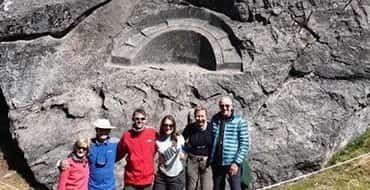
- Long Trail: Follow the sign to the “Great Cavern,” home to the Temple of the Moon, a stunning Inca religious structure built inside a cave. This less-crowded route descends sharply on stone steps, passes the Temple of the Moon, and winds through the lush cloud forest before ascending back to Machu Picchu.
The “Stairs of Death”
Despite their ominous name, the “Stairs of Death” are more thrilling than dangerous. No fatalities have occurred here, and climbers can rely on installed safety cables for assistance. The steepness of the steps and the illusion of a sheer drop create a sense of vertigo, especially during the descent. However, natural platforms act as barriers, ensuring safety. In short, they’re challenging but not as deadly as their name implies.
Quick Facts:
- Maximum altitude: 2,693 meters above sea level / 8,835 feet
- Short trail distance: 2 km / 1.2 miles
- Short trail hiking time: 2 hours (round trip)
- Long trail distance: 5 km / 3.1 miles
- Long trail hiking time: 3 hours (round trip)
- Difficulty level: Challenging
Prepare for an unforgettable adventure as you explore Huayna Picchu Mountain, where history, nature, and adrenaline converge!