






We know exactly what you’re going through. Two of your best friends have just returned from Peru and can’t stop talking about their trip. You’ve seen their photos on Facebook, and they look absolutely incredible. But what really caught your attention was the breathtaking scenery of the Inca Trail and, of course, the mysterious ancient city of Machu Picchu.
Still, you feel unsure. Peru seems far away, and you’re not completely convinced that the Inca Trail is for you—you might even think it’s dangerous.
At Peru Hike, we want to tell you one thing: don’t worry and start planning your trip to Peru today!
To clear up all your doubts, we’ve put together everything you need to know about the Inca Trail. Leave your fears behind and begin planning the trip of a lifetime, one that will take you along one of the top five hikes in the world.
Take a deep breath and get ready—there’s a lot of useful information ahead.
Let’s get started!
What is the Inca Trail?
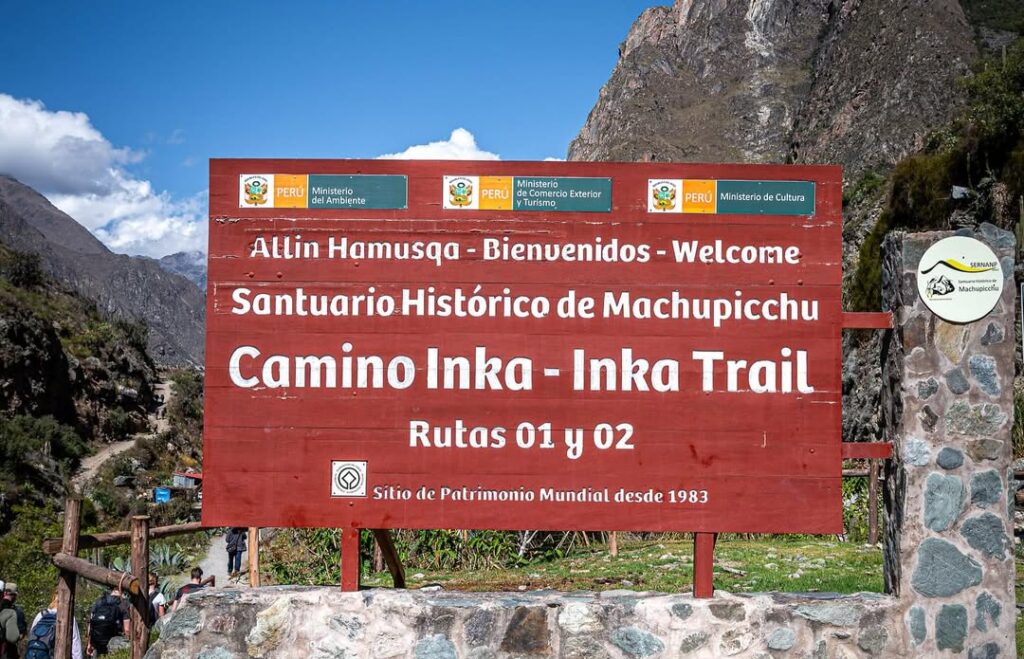
The Inca Trail is the most famous hiking route in South America and the most famous section of the Qhapaq Ñan, the impressive network of roads built by the Inca culture more than 500 years ago. This system stretched over 60,000 kilometers (37,282 miles), connecting territories that today correspond to Peru, Ecuador, Colombia, Bolivia, Chile, and Argentina.
Today, the Inca Trail to Machu Picchu is considered one of the five best hikes in the world and the best way to experience this world wonder. Every year, thousands of people book their tickets months in advance to enjoy this unforgettable experience. This route combines history, ancient culture, and adventure with the majestic landscapes of the Peruvian Andes.
Availability and permits to hike the Inca Trail
The Inca Trail to Machu Picchu is one of the most renowned hikes in the world, thanks to its rich cultural heritage and stunning scenery. To preserve this heritage, the Peruvian government regulates access through strict permits and daily quotas.
Currently, only 500 people are allowed on the Inca Trail per day, with 200 allocated for tourists and 300 for guides, porters, and cooks. Therefore, reservations must be made months in advance, depending on the season:
- High season (May–October): Book at least 6 months in advance.
- Low season (November–April): Book 3 months in advance.
Please note that permits to enter the Inca Trail can only be purchased through an authorized travel agency. There are several options on the market, such as Peru Hike, which is renowned for its expertise on the route. Once you have chosen your agency and tentative dates, contact them to check availability. Finally, provide your personal information and pay for the tour.
And that’s it! You’ll be able to take part in the most popular hike in South America and enjoy the unique experience of walking along the ancient Inca trail to Machu Picchu.
IMPORTANT: The Inca Trail to Machu Picchu remains closed throughout February due to the rainy season in Cusco, to protect travelers from possible landslides. This period is also used to carry out conservation and maintenance work on the trail.
Inca Trail, the classic route
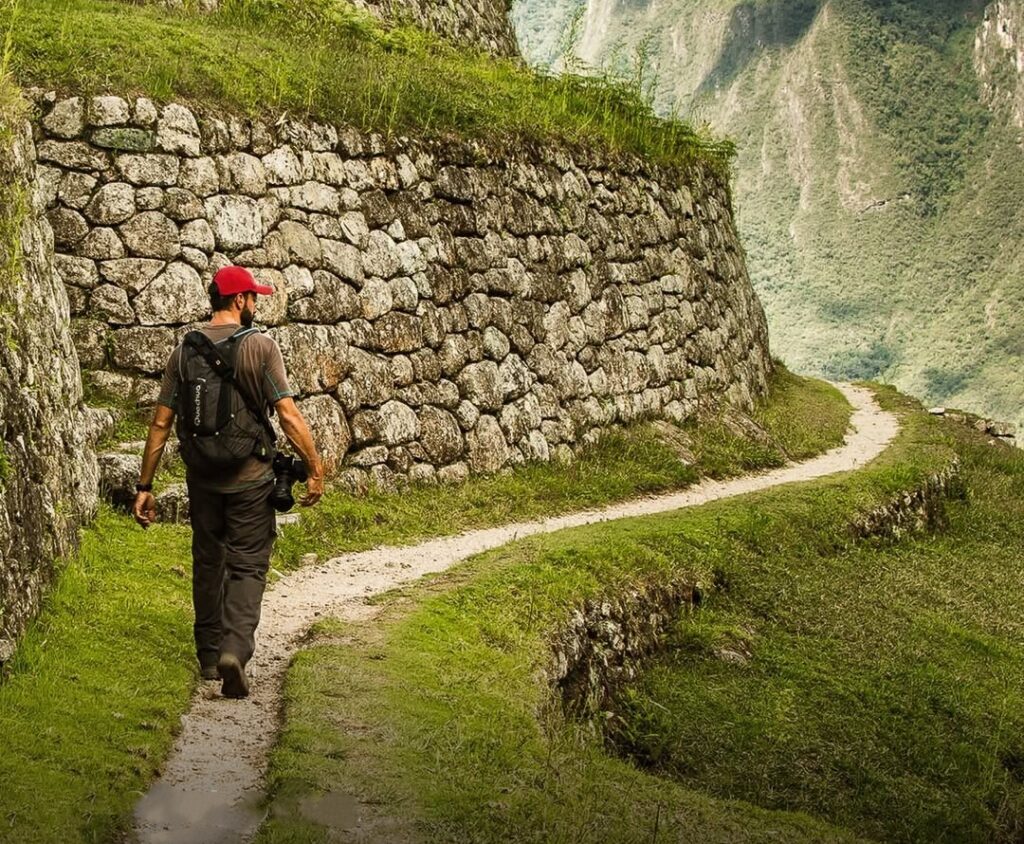
The classic Inca Trail route is ideal for first-time visitors to Machu Picchu. It lasts 4 days and 3 nights, covering 44 kilometers (27.3 miles) of the Qhapaq Ñam, starting at km 82 and ending at the Sun Gate or Inti Punku in Quechua, a stone structure considered the original entrance to the citadel of Machu Picchu.
It is moderately difficult; the highest point is the Warmiwañusca Pass (4,224 meters above sea level / 13,858.27 ft), which translates to “Dead Woman’s Pass”. The minimum altitude is approximately 2,400 meters above sea level (7874 ft) in the citadel of Machu Picchu.
Discover the detailed day-by-day itinerary and view the updated prices for the Classic Inca Trail allowing you to plan your trip effectively.
Variations on the classic Inca Trail route
The famous Inca Trail is part of a network of pre-Hispanic roads known as the Qhapaq Ñam. This network connected important ceremonial and administrative centers of the Inca Empire. Thanks to this interconnection, it is now possible to combine routes to Machu Picchu. Below are some of the most notable variations:
Inca Trail Excursion (1 day)
This route is ideal for those who have limited time, as it offers an intense experience in a single day. This trek begins at kilometer 104, in the ancient ceremonial center of Chachabamba, and continues to the Inca citadel of Wiñay Wayna, the last archaeological site on the Inca Trail before reaching Machu Picchu. Finally, you arrive at the Sun Gate (Inti Punku), from where you get a breathtaking view of this world wonder. The tour ends with a guided visit to the sanctuary, making this adventure a brief but unforgettable experience.
Short Inca Trail (2 days)
The two-day Short Inca Trail, although very similar to the one-day excursion, offers greater comfort and rest. On the first day, you will start your hike at Kilometer 104 – Chachabamba, pass through Wiñay Wayna, and arrive at the Sun Gate, then return to Aguas Calientes, the town at the base of the world wonder. On day two, you will visit Machu Picchu, have time to explore the citadel at your leisure, and take pictures without rushing.
Salkantay and Classic Inca Trail (6 or 7 days)
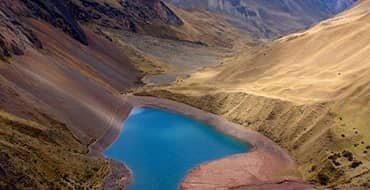
If you have also heard about the Salkantay trek to Machu Picchu, you may find it difficult to decide which one to do. Here we offer you a 7-day option that combines both routes. We won’t lie to you, it’s a moderately difficult to challenging route, but every step is worth it. You’ll be left breathless at Lake Humantay, where you’ll cross glaciers and high plains until you reach lush cloud forests. The trail then joins the Classic Inca Trail, allowing you to experience all the most impressive archaeological sites.
This hike is one of the most comprehensive and highly recommended, as you will be able to enjoy a combination of adventure, Andean landscapes, and archaeological sites before arriving at one of the modern world’s seven wonders.
Hike to Lares and Short Inca Trail (5 days)
The enigmatic Lares trek is not to be outdone in terms of scenery, combining glaciers, lakes, waterfalls, hot springs, and traditional communities. This wonderful trail connects with the Short Inca Trail on the fourth day, so that you won’t miss any of the most popular archaeological sites such as Chachabamba, Wiñay Wayna, and the famous Sun Gate (Inti Punku). The fifth day is reserved for an in-depth tour of Machu Picchu.
Ancascocha Trek and Short Inca Trail (5 days)
Turquoise lakes, native forests, and rural communities await you on this hike. The Ancascocha route is the least traveled, allowing you to experience a strong connection with nature. In addition, on the fourth day, it also connects with the Inca Trail until you reach the wonder of the world, allowing you to enjoy a unique and complete experience.
There is a wide variety of routes within the Qhapaq Ñam that lead to Machu Picchu. Learn about all the different variants of the Inca Trail in detail and choose the one that best suits you.
What attractions does the Inca Trail in Peru offer?
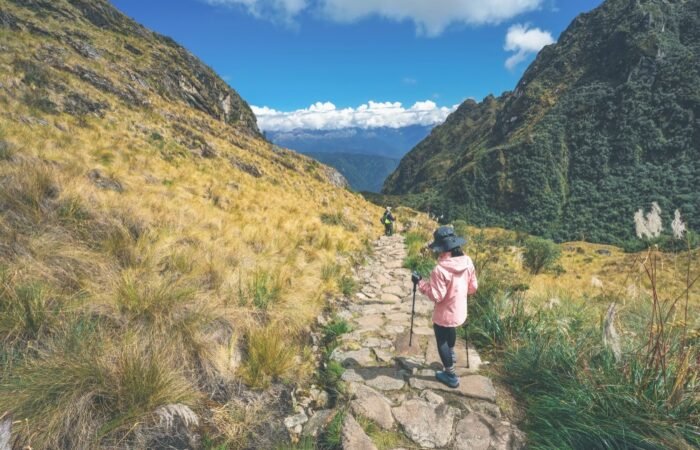
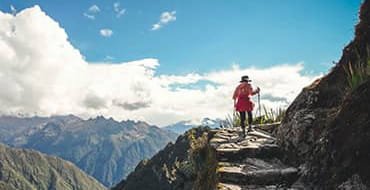
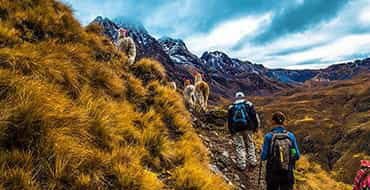
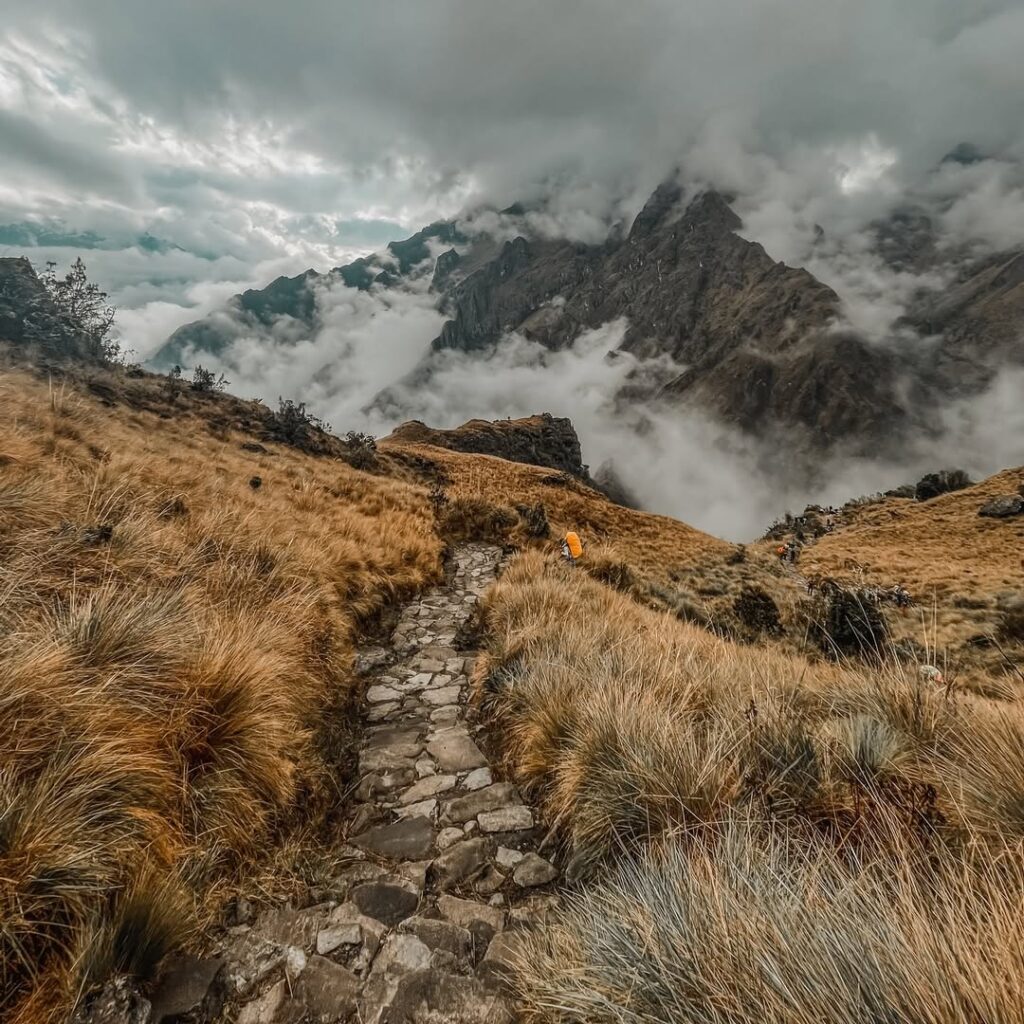
The Inca Trail hike is considered by many to be the premier hike throughout all of South America. Let yourself be captivated by its breathtaking landscapes as you draw closer and closer to one of the 7 New Wonders of the World: the Historic Sanctuary of Machu Picchu. Sometimes, the clouds will be so close that you’ll want to reach out and touch them with your hands.
Landscape of the Inca Trail to Machu Picchu
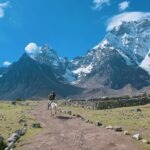
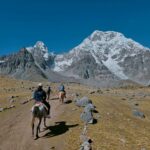
Troughout this journey through the majestic Andes, you’ll be amazed by the beauty of the mountains of the Urubamba Range, whose heights effortlessly surpass 5,000 meters (16,400 ft). Furthermore, you’ll have the chance to behold deep and fertile valleys.
Unexpectedly, you’ll find yourself immersed in the very heart of the Amazon rainforest. Here, you’ll come into contact with the enigmatic Cloud Forest, where mist and nature converge in a mystical space.
Inca Trail fauna
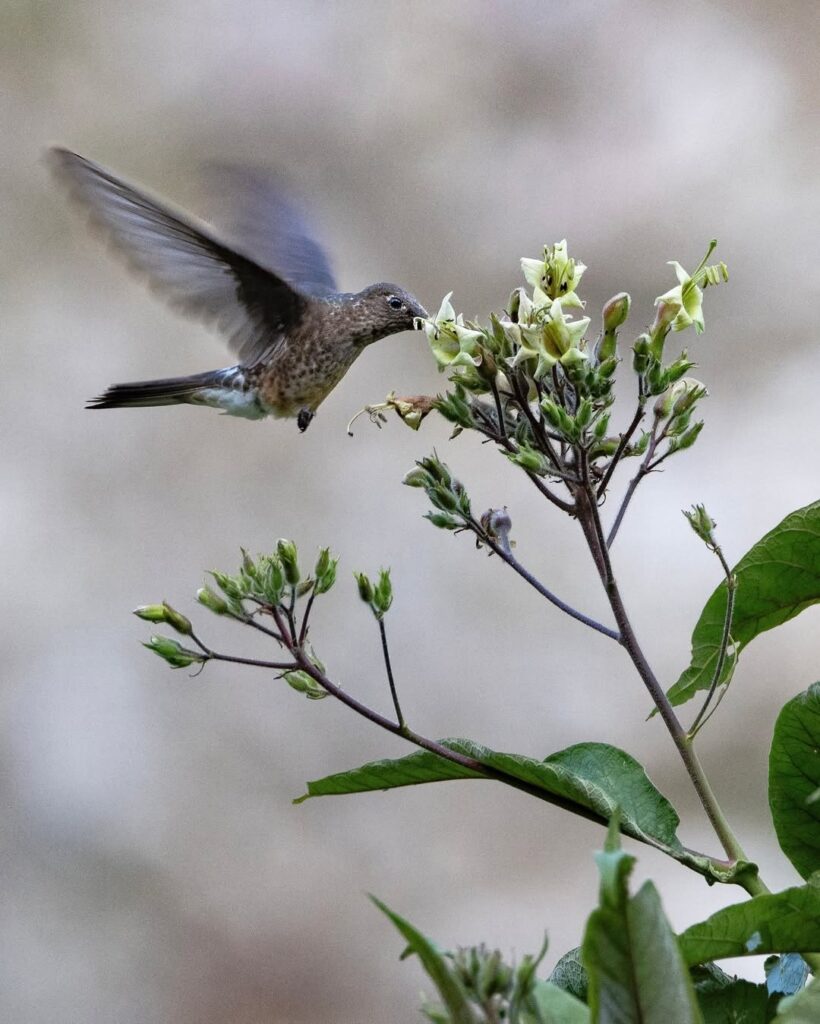
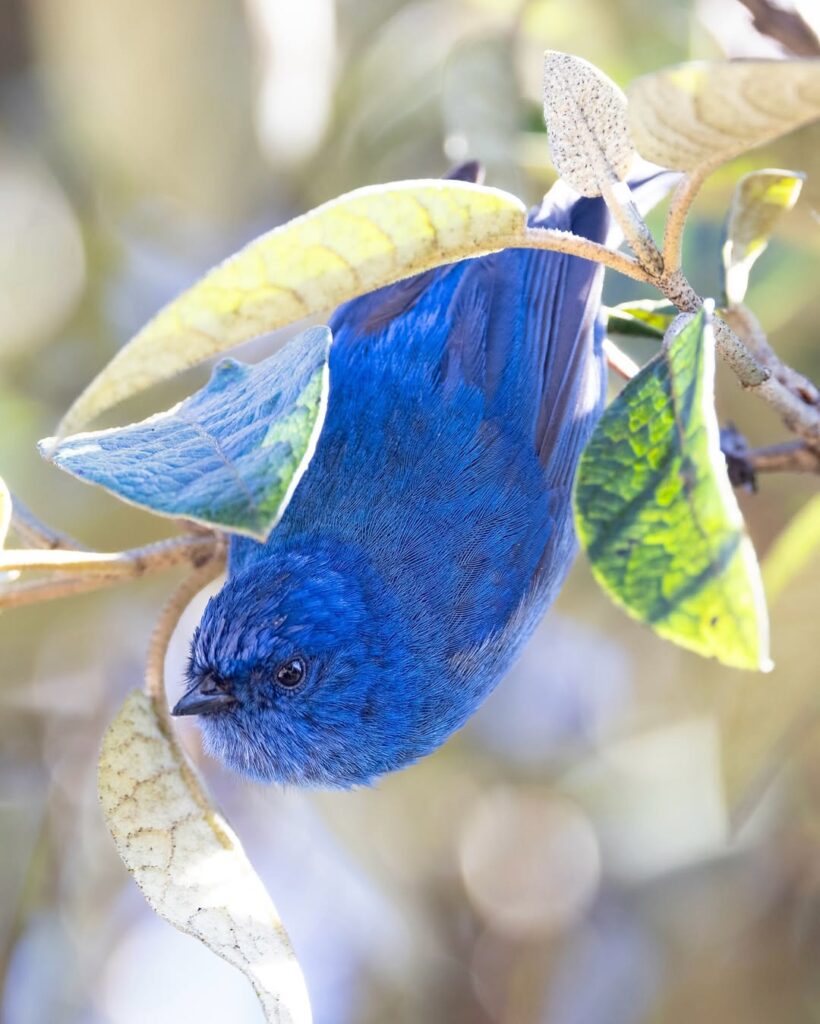
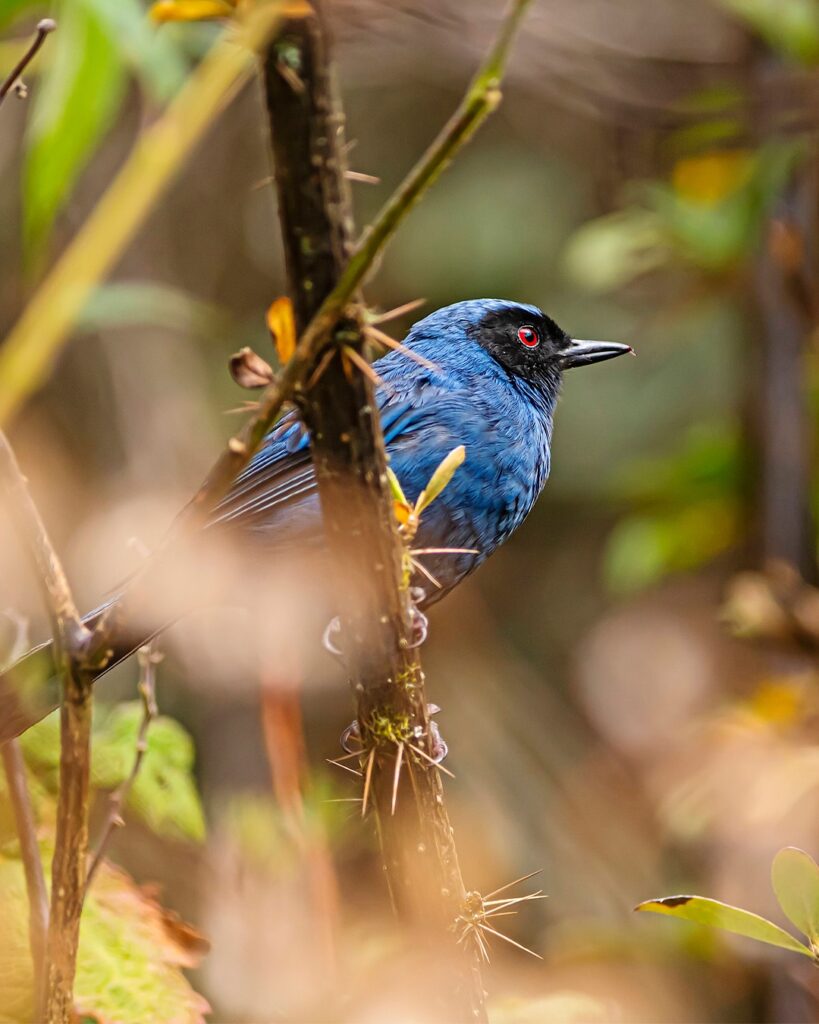
On your journey along the Inca Trail, you may encounter some of the most enigmatic animals in the Peruvian Andes. Since 1981, the Machu Picchu National Archaeological Park, which protects more than 37,000 hectares (231.8 miles) of forests, mountains, and archaeological sites, has been safeguarding not only this world wonder, but also an incredible biodiversity.
This area is home to a diverse array of species, including spectacled bears, Andean foxes, river otters, tarukas (Andean deer), pumas, lynxes, ferrets, hummingbirds, ducks, parrots, turkeys, yellow-billed ducks, snakes, lizards, frogs, and many others. This great diversity of fauna makes the Inca Trail Peru ideal for nature lovers.
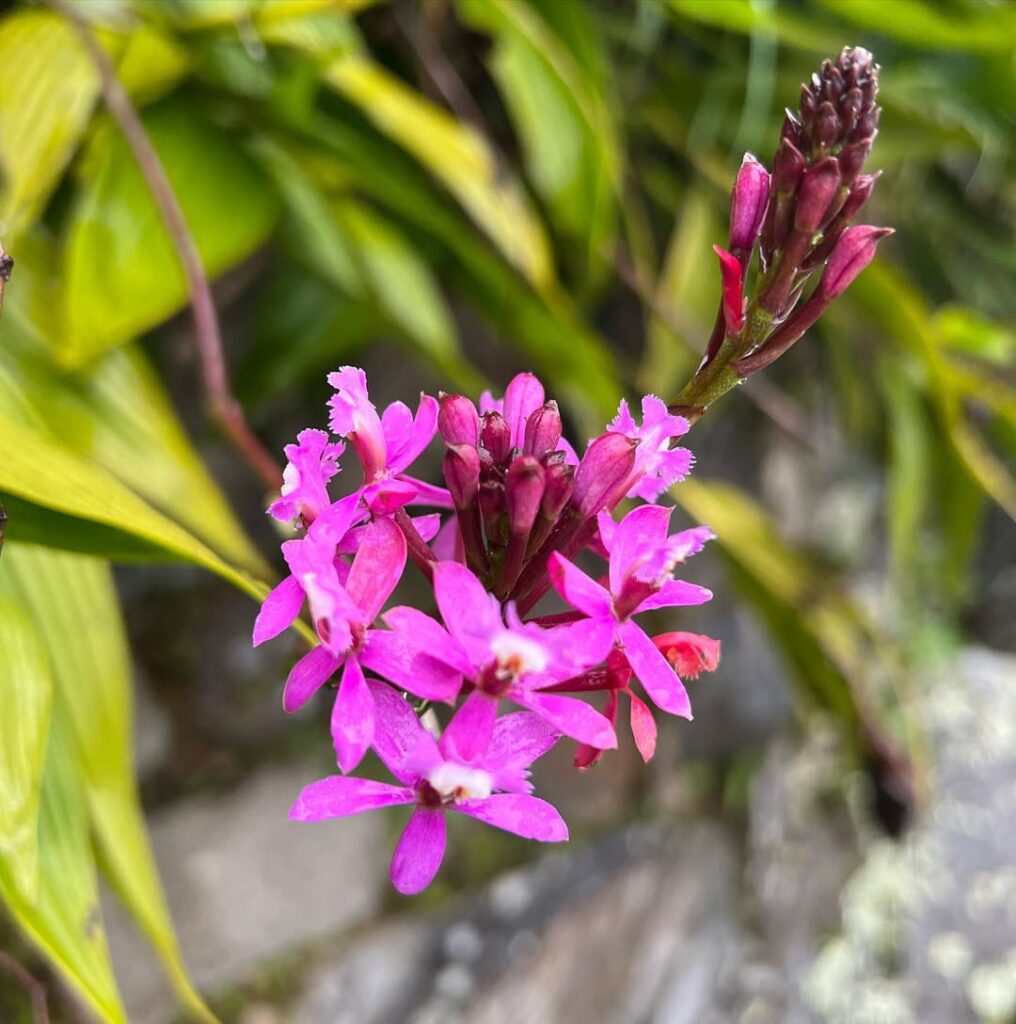
Inca Trail flora
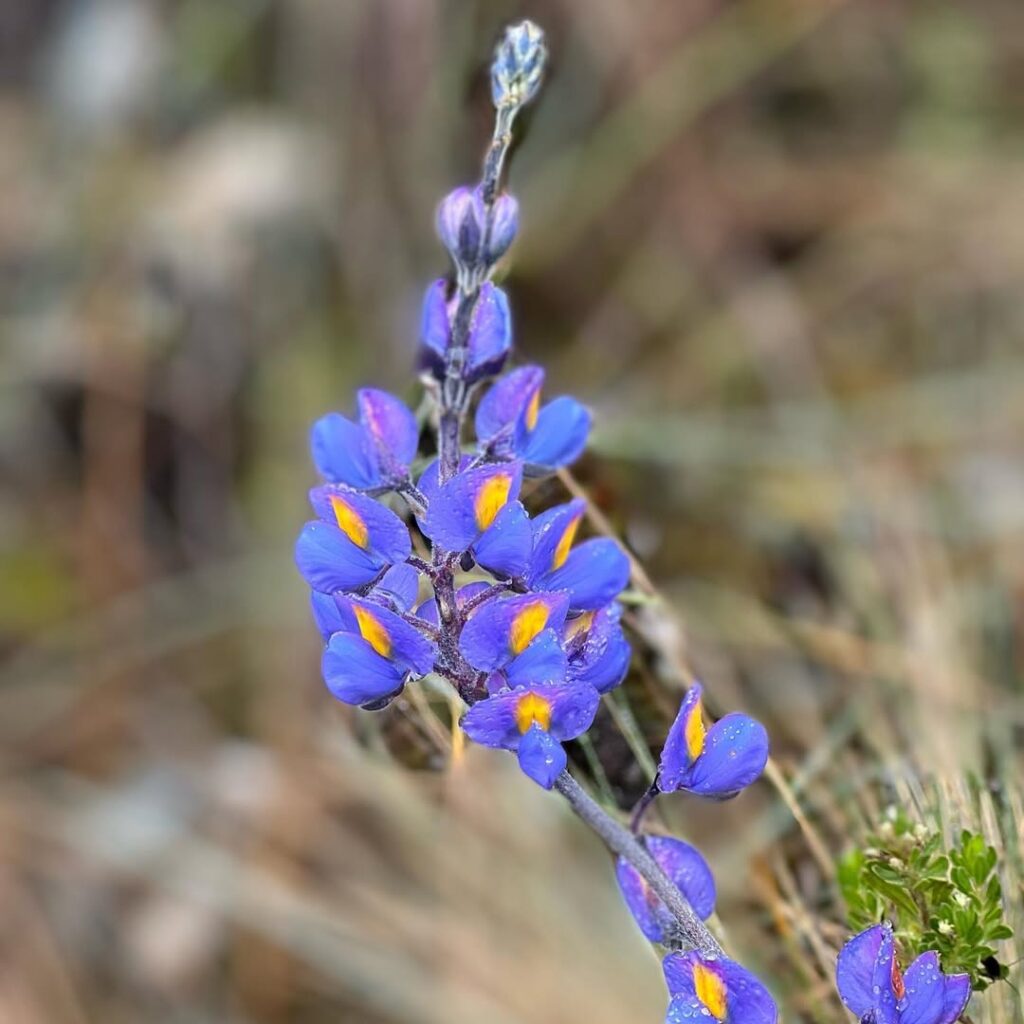
According to SERNANP, the Historic Sanctuary of Machu Picchu is home to 14 of the 104 “life zones” that exist in the world. These are plant formations defined by their climatic conditions, which give rise to life forms characteristic of the area.
One of the most fantastic botanical attractions of the Inca Trail is its diverse array of orchids. The protected area comprises more than 400 unique species of this beautiful flower, such as Choclo Choclo (Elleanthus capitatus), Waqanki (Masdevallia veitchiana), Wiñaywayna (Epidendrum secundum), Sobralia virginalis, Trichopilia frayans, and Odontoglossum, as well as many others.
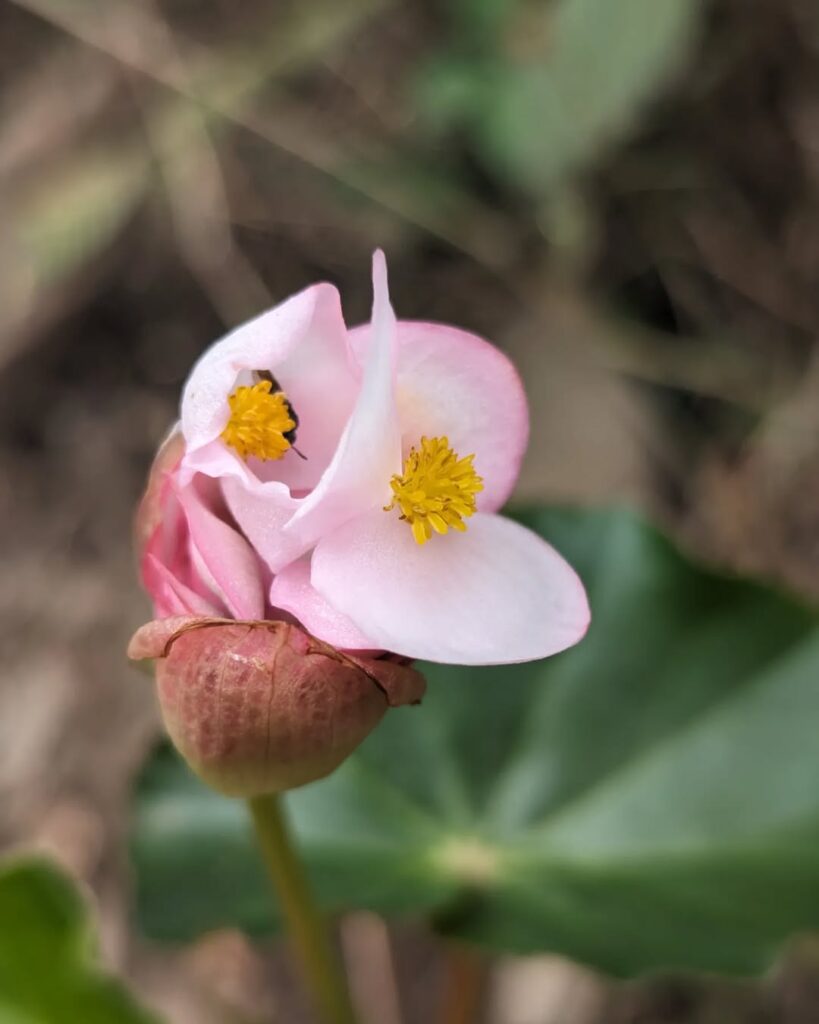
In addition, you can find native species such as cedar, romerillo, laurel, pisonay, molle, angel’s trumpets, mountain yahuarchonka, air carnation, begonias, among others.
The Inca Trail and its archaeological sites
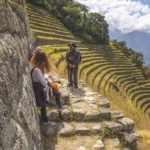
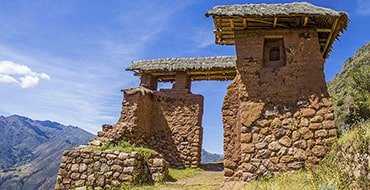
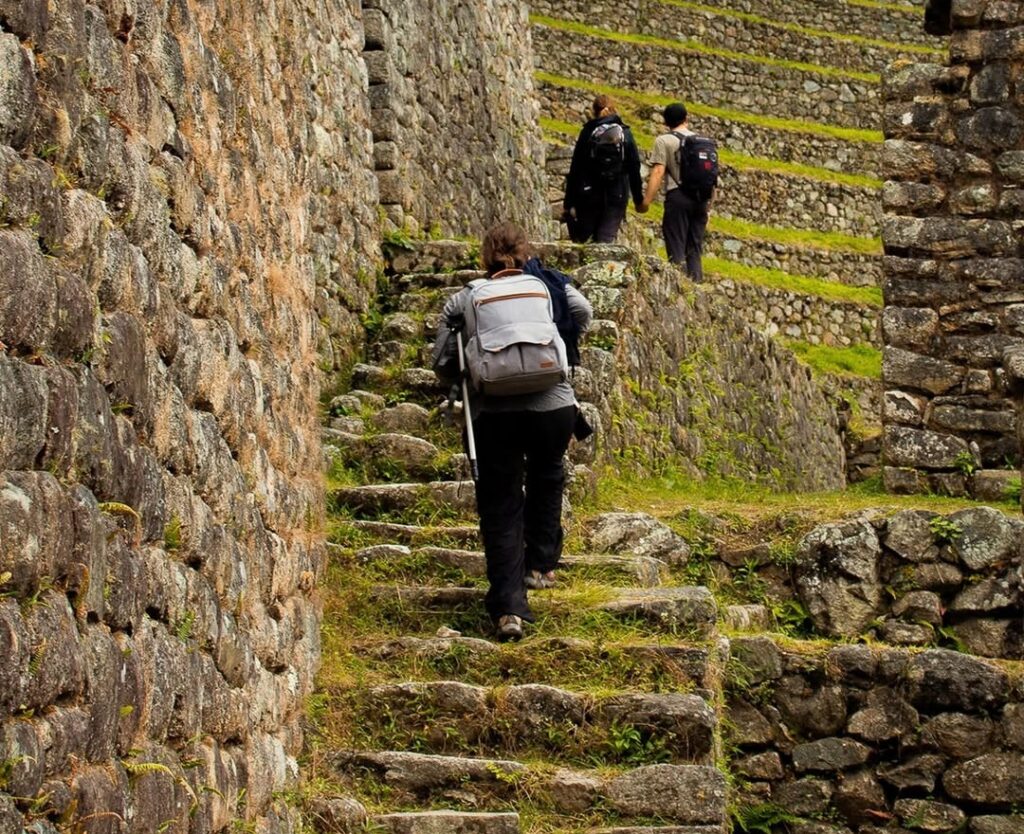
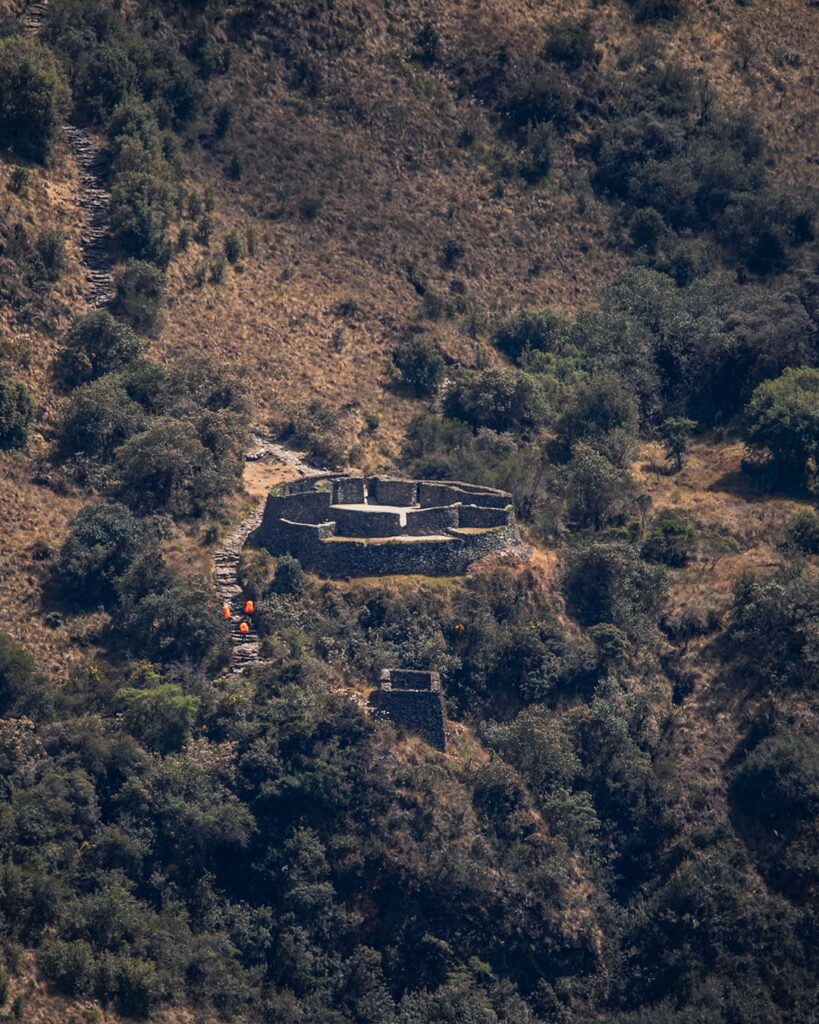
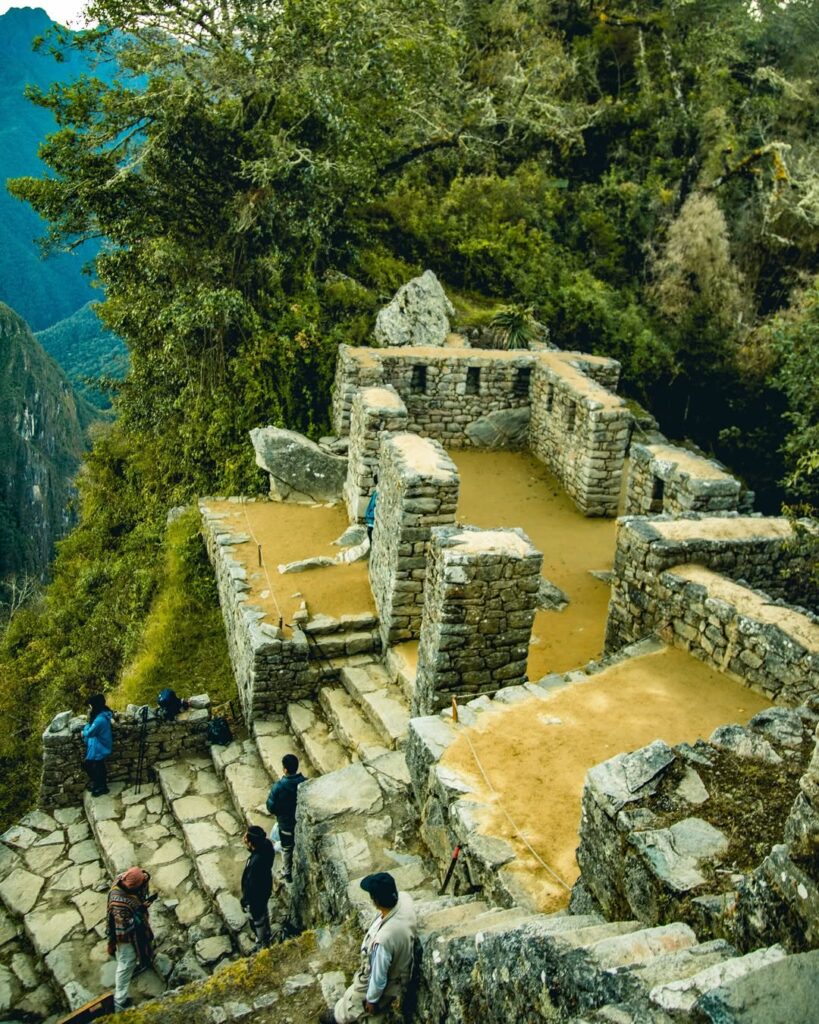
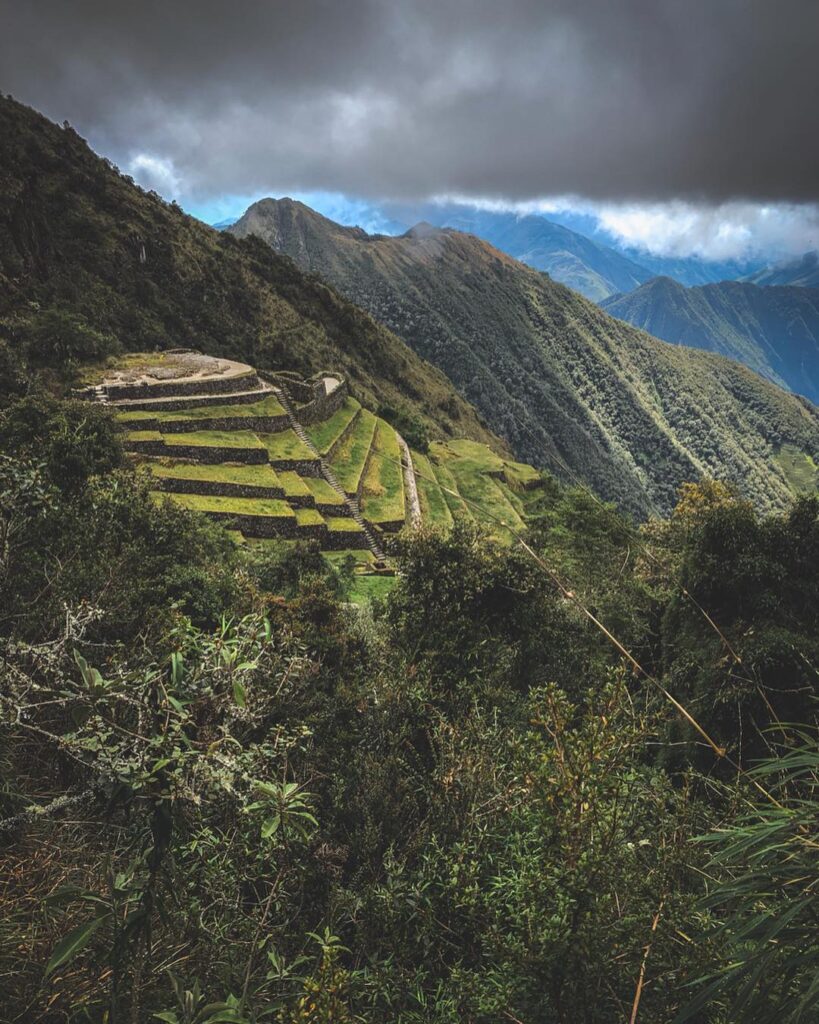
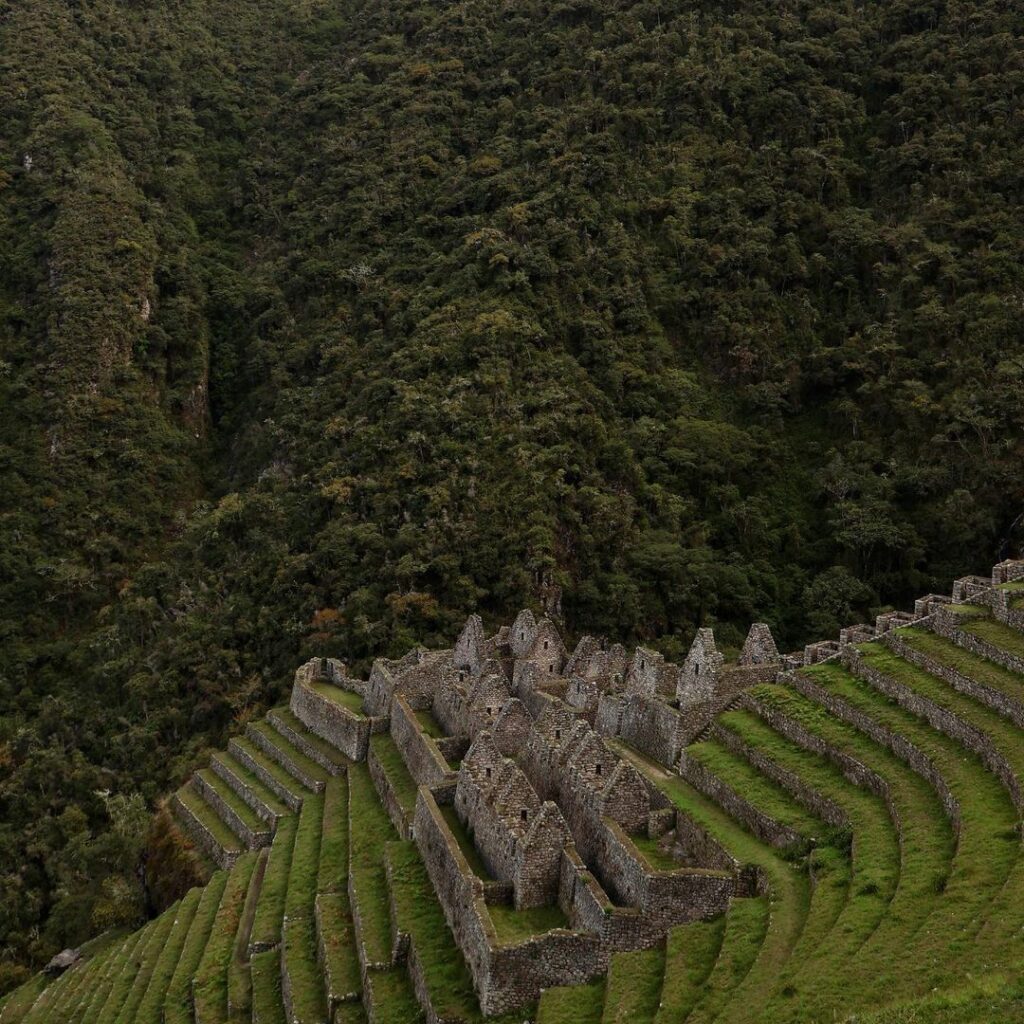
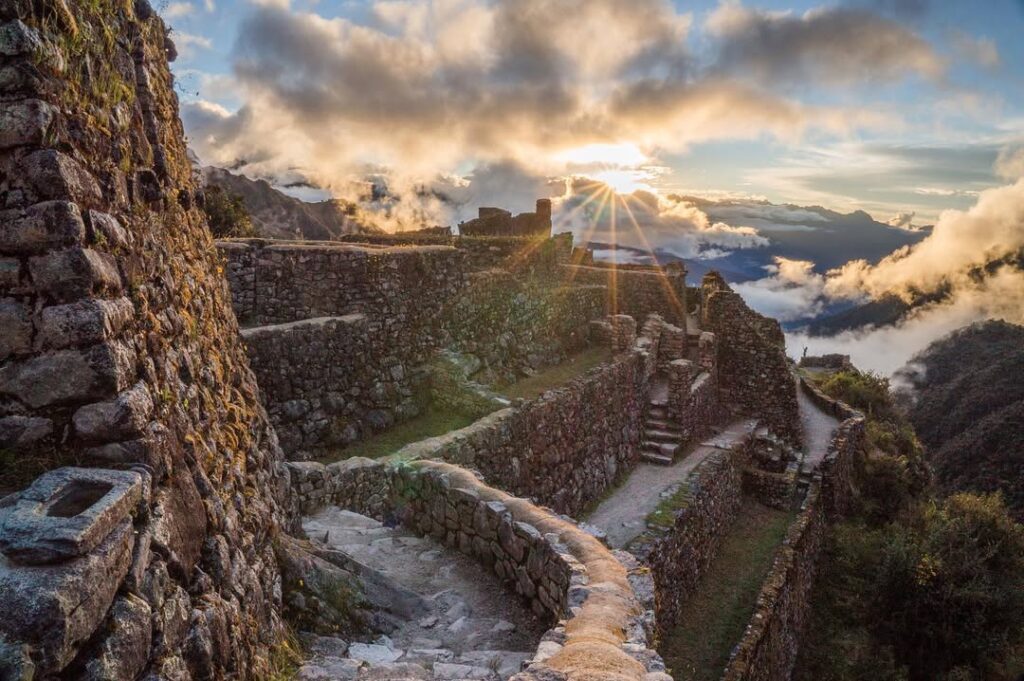
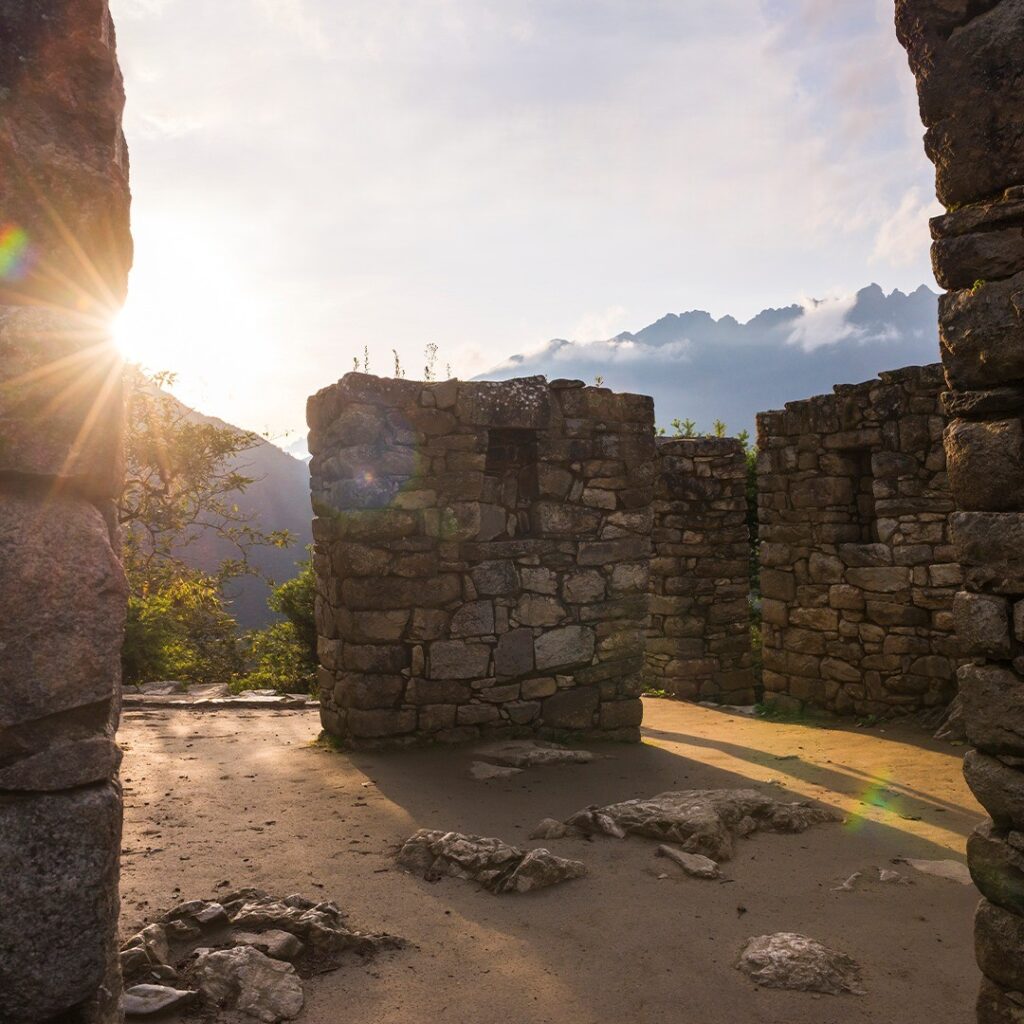
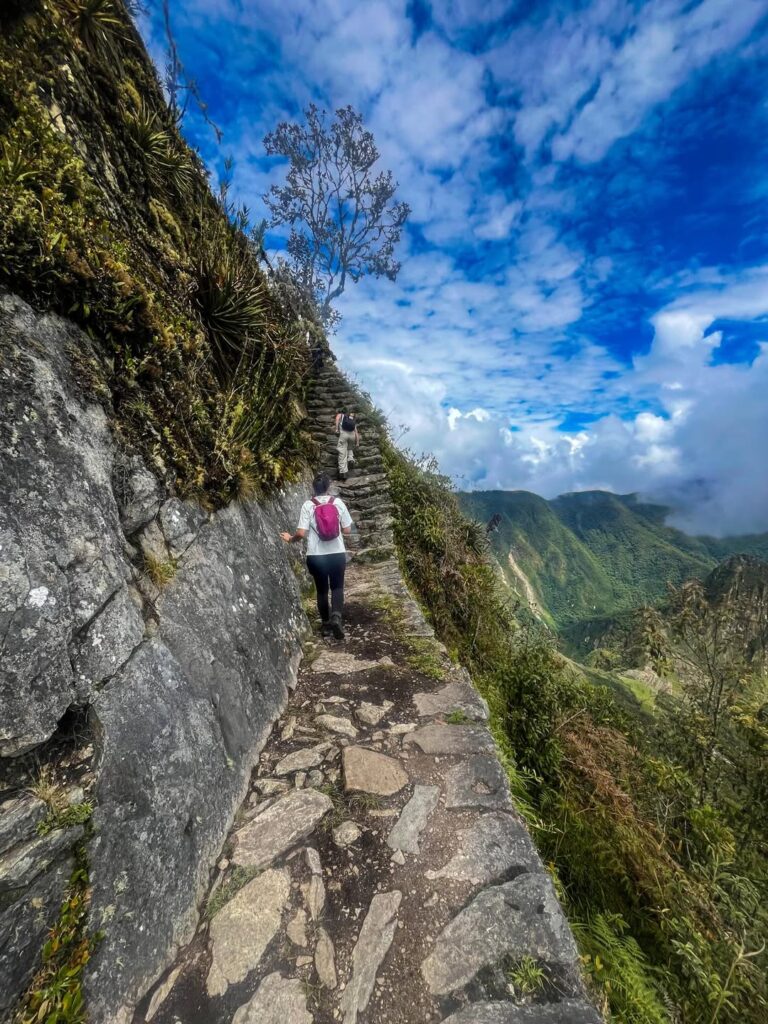
Undoubtedly, the Incas proved to be genuine masters of architecture. As you traverse dense forests and deep canyons, you’ll have the opportunity to explore several archaeological complexes along the Inca Trail. During this journey, you’ll witness meticulously constructed walls, ingenious canal systems, intricate staircases, historically significant plazas, enigmatic enclosures, terraced fields that defy the topography, and bridges that connect worlds.
Throughout the Inca Trail, hikers have the chance to explore various breathtaking archaeological sites that provide a fascinating glimpse into the history and culture of the region. Some of the most prominent include:
- Piscacucho (km 82): The official starting point of the Inca Trail, near Ollantaytambo. Here, travelers can encounter some archaeological remnants before embarking on the hike.
- Llactapata: Approximately 10 km from Piscacucho. Llactapata is an archaeological site offering a panoramic view of Machu Picchu in the distance.
- Runkurakay: A small circular structure that likely served as a checkpoint along the Inca Trail.
- Sayaqmarca: A well-preserved citadel that provides a panoramic view of the surrounding valley.
- Phuyupatamarca: An archaeological complex located at an elevated spot called “The City in the Clouds.” It offers spectacular views and is one of the most awe-inspiring parts of the journey.
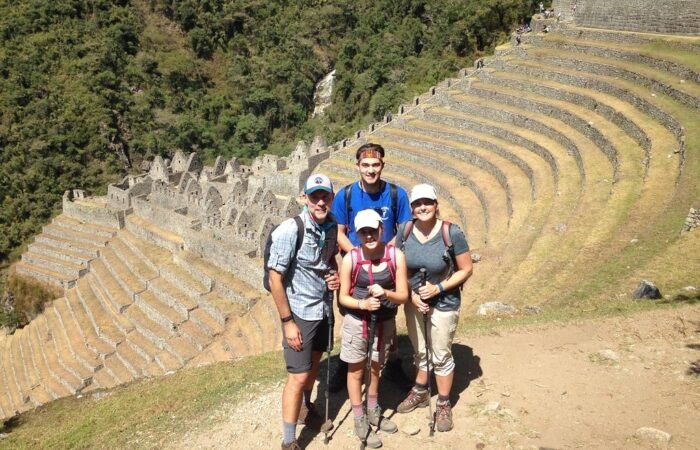
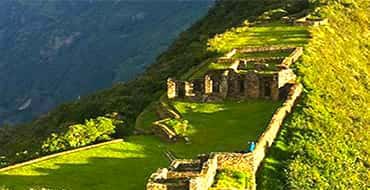
- Wiñay Wayna: Wiñay Wayna is a complex of agricultural terraces and structures, renowned for its beauty and its name, which means “Forever Young” in Quechua.
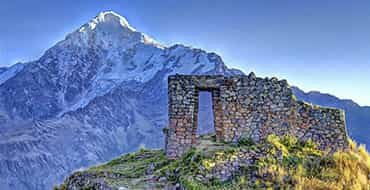
- Inti Punku (Sun Gate): Not only is it a viewpoint with panoramic vistas of Machu Picchu, but it also holds historical significance as the main entrance to the site.
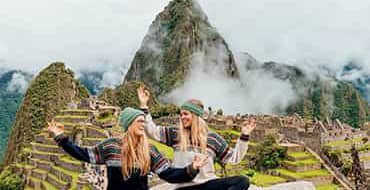
- Machu Picchu: The final and most iconic destination of the Inca Trail. Machu Picchu is an incredibly well-preserved Inca citadel globally recognized as one of the world’s wonders.
The ultimate summit of the Inca Trail to Machu Picchu: Warmiwañusca
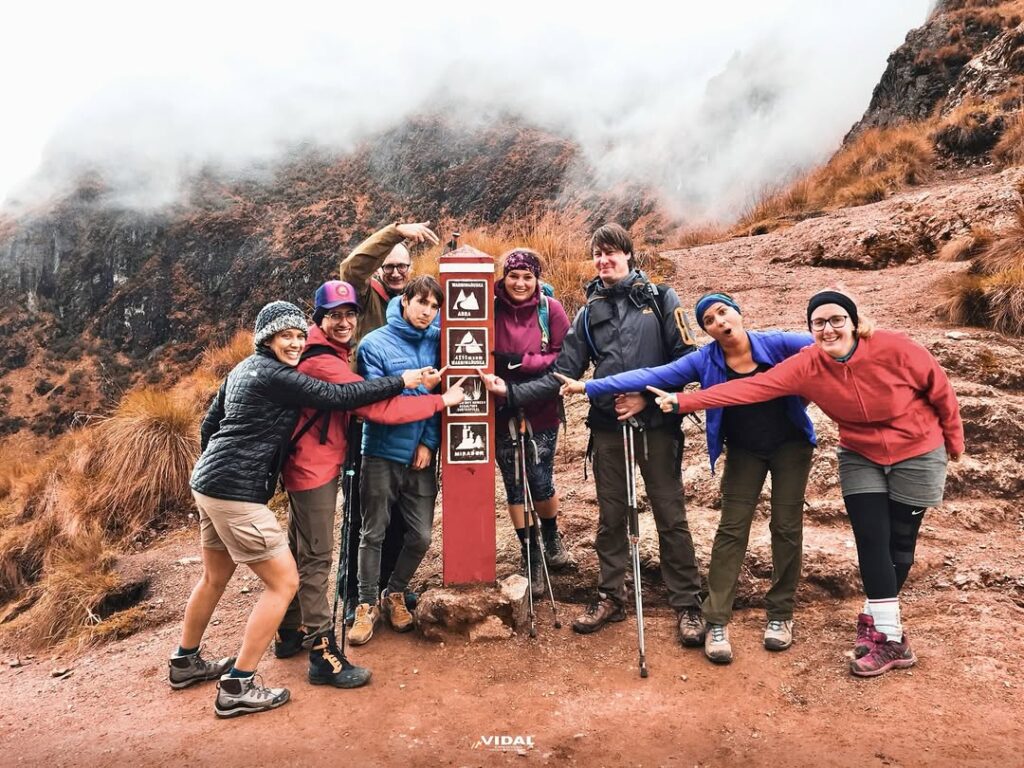
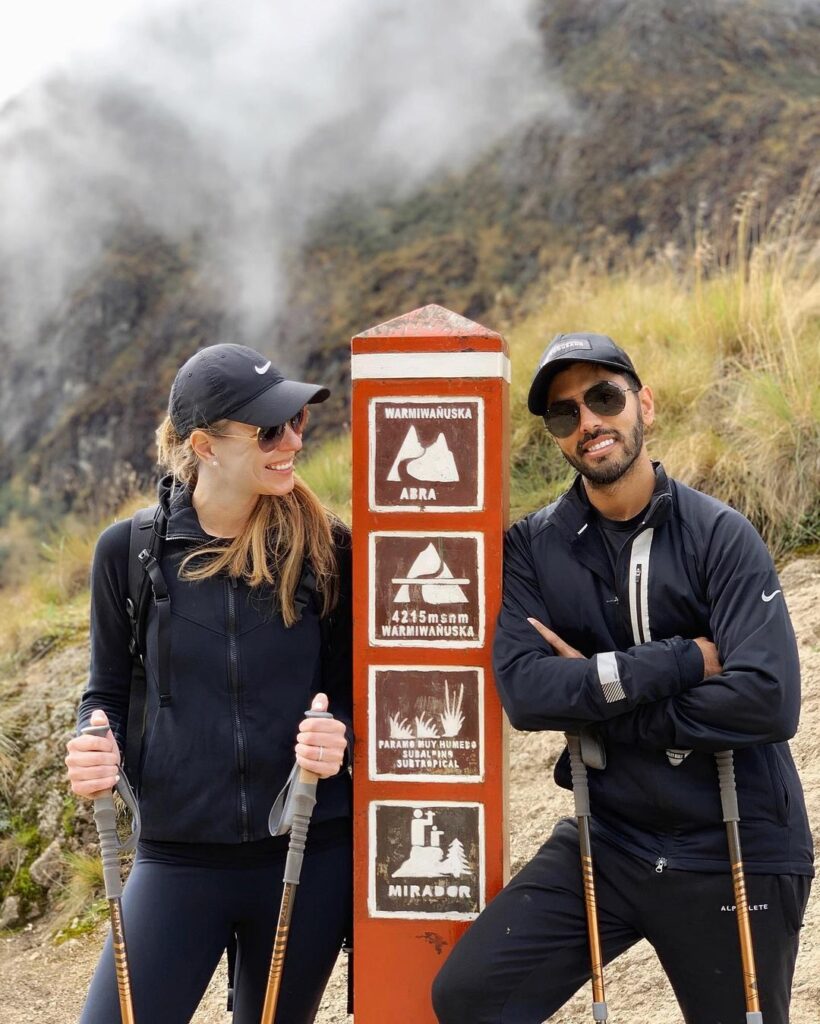
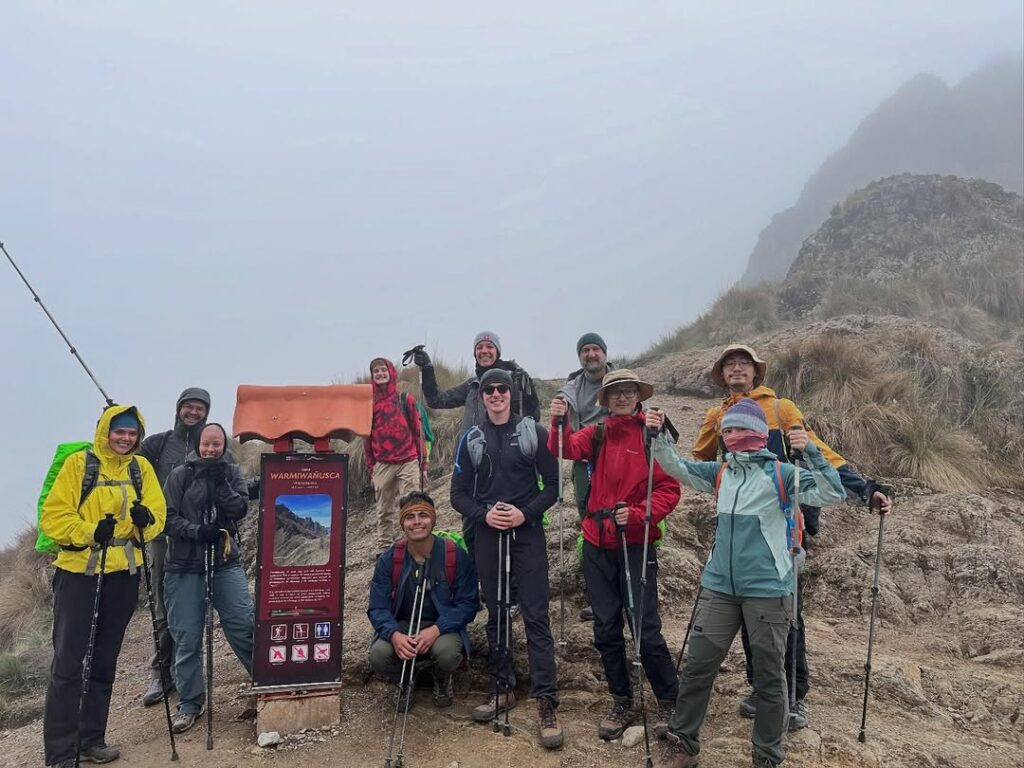
Warmiwañusca, also known as Dead Woman’s Pass, is the highest point on the Inca Trail, situated at 4,215 meters (13,828 feet) above sea level. Its altitude makes it one of the most challenging and memorable sections of the route; it is 1,800 meters (5,905 feet) higher than Machu Picchu, symbolizing a significant achievement for hikers.
The summit of Warmiwañusca is one of the most eagerly awaited moments of the hike to Machu Picchu, thanks to the spectacular panoramic views it offers and because it marks the start of the descent to the Inca citadel.
View of Machu Picchu from Inti Punku or Sun Gate
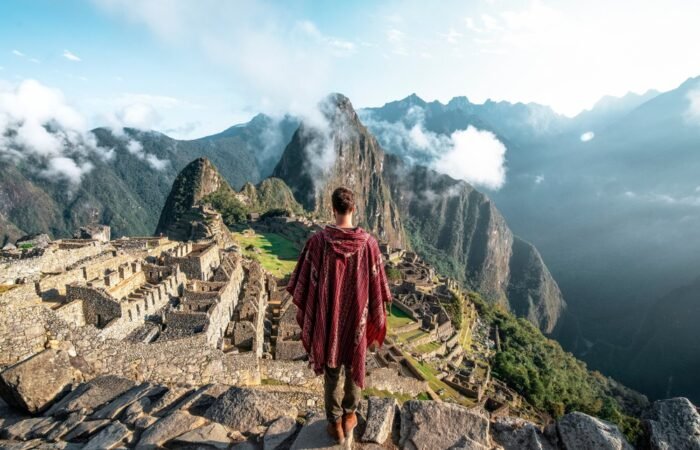
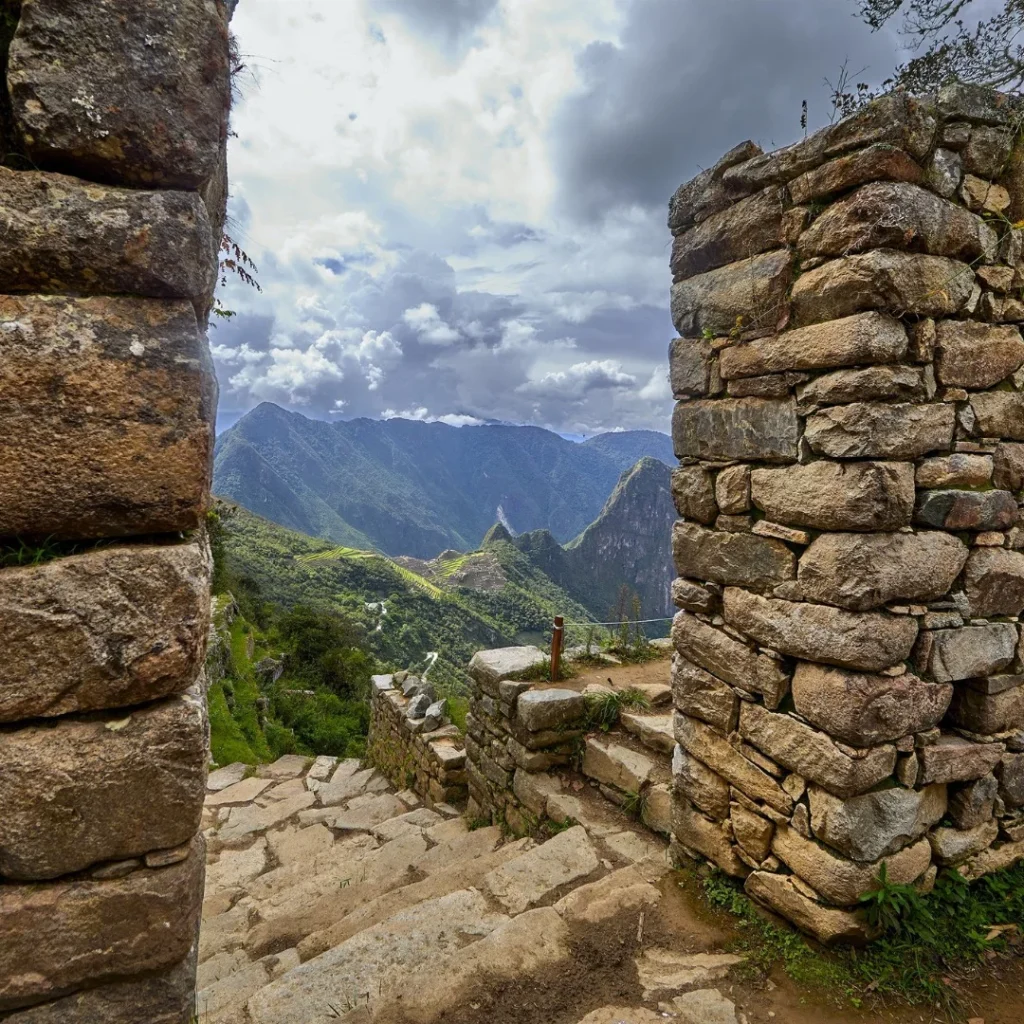
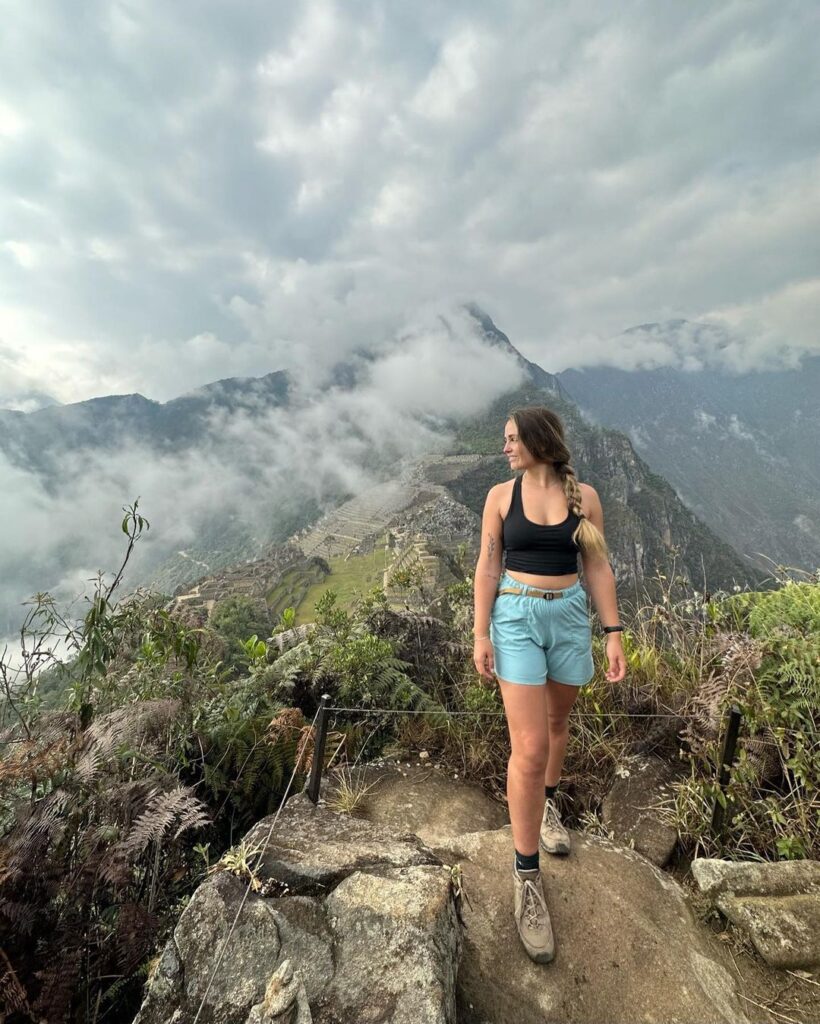
The view of Machu Picchu from Sun Gate (Inti Punku) is truly awe-inspiring and rewarding; it’s an incredible payoff for those who have completed the strenuous yet exhilarating Inca Trail hike. The combination of Machu Picchu’s majesty, the surrounding mountains, the history, and the natural beauty of Cusco, Peru, creates a visual experience that will surely be etched in your memory.
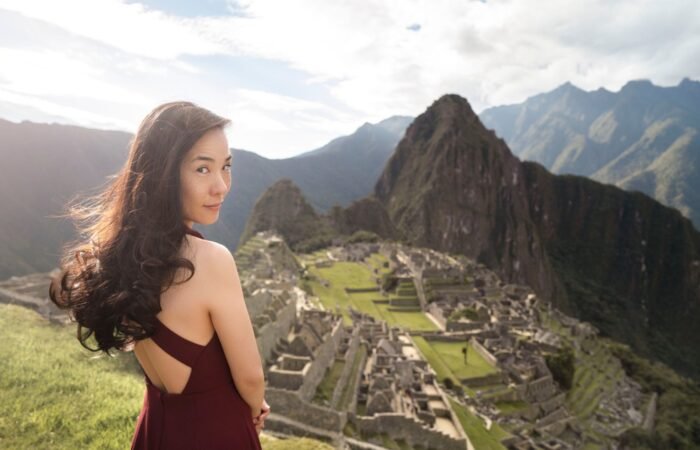
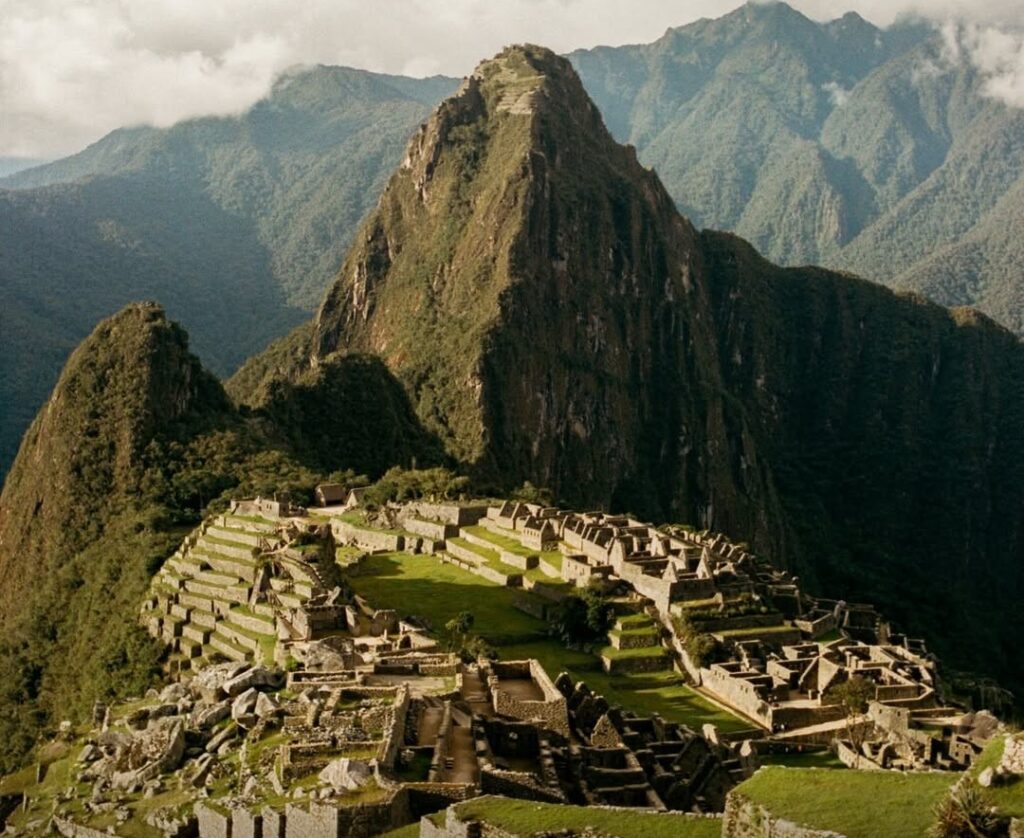
From Inti Punku, you’ll behold a spectacular panoramic view of the Inca citadel of Machu Picchu. Moreover, you’ll appreciate the layout of the buildings, terraces, plazas, and temples that constitute this iconic archaeological site.
Huayna Picchu: An exclusive permit beyond the Inca Trail
Rising majestically just behind the citadel of Machu Picchu, Huayna Picchu Mountain stands as the highest peak. From its summit, a unique perspective of the Inca wonder unfolds, providing an unparalleled view. Although most visitors to the complex do not venture to climb the 300 meters to the top, those who wish to do so must obtain a special permit, which is highly limited, with only 200 permits available in the morning and another 200 in the afternoon.
Travel tip: Huayna Picchu is a highly sought-after mountain due to its stunning views and its status as the highest peak in Machu Picchu. Learn about all the restrictions and tips for visiting it.
Inca Trail Weather
The Inca Trail weather is generally mild throughout the year. However, there are rains from November to March, as well as dry weather from April to October.
The average annual minimum temperature varies between 8°C and 11.2°C (46°F and 52°F). Nevertheless, the temperature can drop below zero in June, July, and August (32°F). Conversely, the average annual maximum temperature ranges from 20.4°C to 26.6°C (69°F to 80°F).
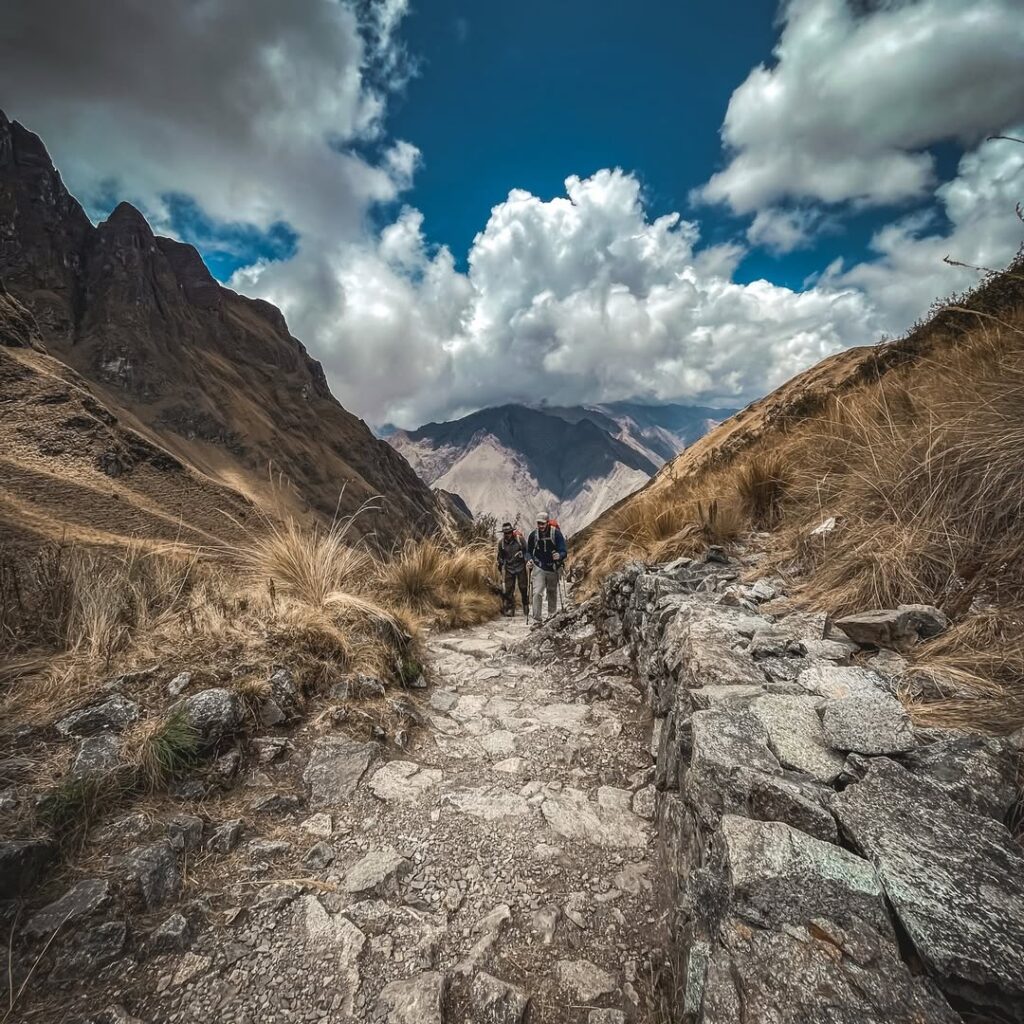
The geography along the trail is extremely diverse. You’ll visit different ecological zones and undergo abrupt changes in vegetation and climate. You’ll walk accompanied by the immense snow-covered mountains of the Andes and then delve into the dense Amazon rainforest.
Rainy Season on the Inca Trail
Between December and March in the Cusco district, rainfall increases, raising the river levels and turning them murky. During this period, the landscape is painted intensely green, and white corn is harvested in the Sacred Valley of the Incas. The rainy season raises the level of the Urubamba River, saturating the terrain and increasing the risk of landslides, exacerbated by deforestation.
The Peruvian National Meteorology and Hydrology Service (SENAMHI) indicates that the rains in Machu Picchu bring an average humidity of 91% in February. Accompanied by thunder, the rains can last the day, leading to overcast and chilly days. The Inca Trail is closed in February for maintenance and safety. Despite these conditions, tourist activities continue with precautions.
For this reason, we recommend staying informed about the weather in Cusco, researching the best time to visit Machu Picchu, packing waterproof clothing and slip-resistant footwear, and being prepared for potential disruptions to flights and trains. The key is to maintain a positive attitude and enjoy the journey.
Preparing for the Inca Trail: Tips and essential equipment
To hike the Inca Trail to Machu Picchu, it is crucial to prepare yourself mentally and physically. The route reaches an altitude of over 4,000 meters (13,123 ft) and requires several days of hiking; therefore, we recommend acclimatizing in Cusco for one or two days and getting into shape beforehand.
Before starting your Inca Trail trek, you must equip yourself properly:
- Hiking boots, preferably broken in and waterproof, are essential for handling the terrain.
- Sunglasses, caps, or hats to protect you from the sun.
- Warm and windproof clothing to cope with changing weather conditions.
- Hiking backpack, your ally for carrying your belongings comfortably.
- Sunscreen and insect repellent are essential, as you will be exposed to sunlight and mosquito bites for hours.
The Inca Trail will surprise you with everything it has to offer, but whether you choose the classic hike or one of its variants, it’s essential to read the complete packing list to be well-prepared and enjoy your trip.
Learn about all the logistics behind your Inca Trail adventure
Tour guides on the Inca Trail
Our tour guides are professionals with extensive experience and constantly updated knowledge of culture, history, and nature. At Salkantay Trekking, we have a great team of people who are experts in local culture, Andean botany, effective communication, leadership, and high-mountain emergency management. They are also bilingual, which guarantees a close and enriching experience for travelers from all over the world.
A true tour guide on the Inca Trail is more than just a companion; they are an ally and adventure partner.
Porters on the Inca Trail
To prevent damage to the Inca Trail and preserve the environment, the use of mules or pack animals is strictly prohibited. For this reason, the work of porters is required. These are men born in the Peruvian Andes with great physical strength, who will carry camping equipment and supplies throughout the expedition.
Due to their effort and endurance, porters are compared to the Chaskis, ancient Inca messengers who traveled great distances on the Qhapaq Ñam to deliver news and messages.
Camping on the Inca Trail
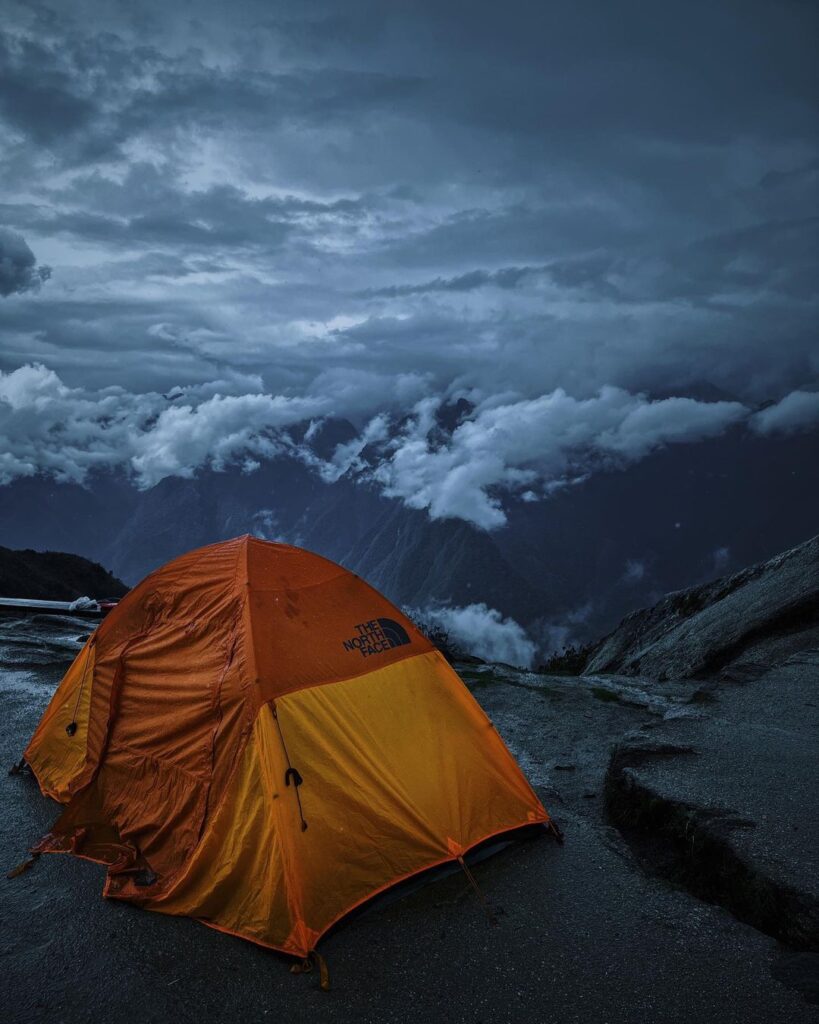
Don’t worry about the campsites — everything will be ready when you arrive. Along the Inca Trail, there are three authorized camping spots:
- First night: Ayapata Camp (altitude 3,300 m / 10,826.7 ft).
- Second night: Chaquicocha Camp (altitude 3,600 m / 11,811 ft).
- Third night: Wiñay Wayna Camp (altitude 2,650 m / 8,694 ft).
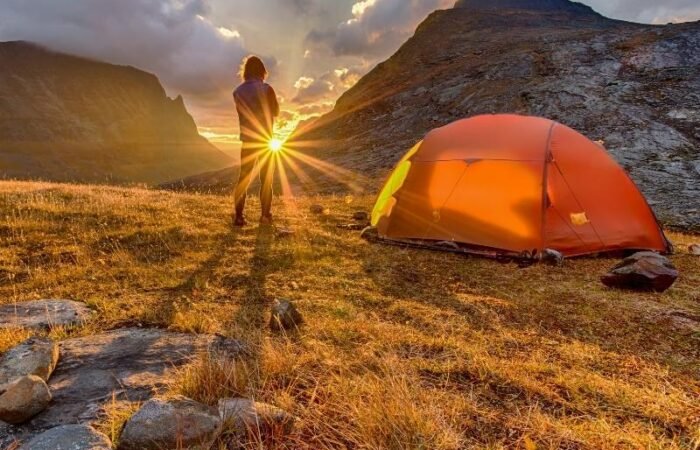
Your comfort comes first. You will have spacious and durable tents, designed to ensure a safe and comfortable rest, even in the face of the mountain’s rain or winds.
Food on the Inca Trail
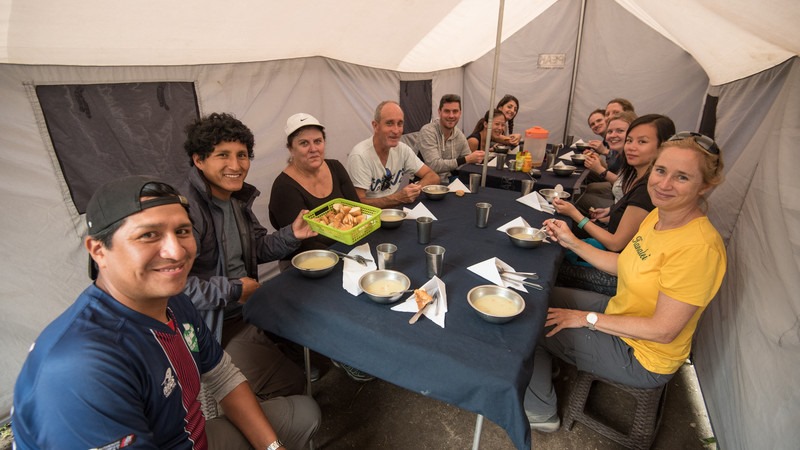
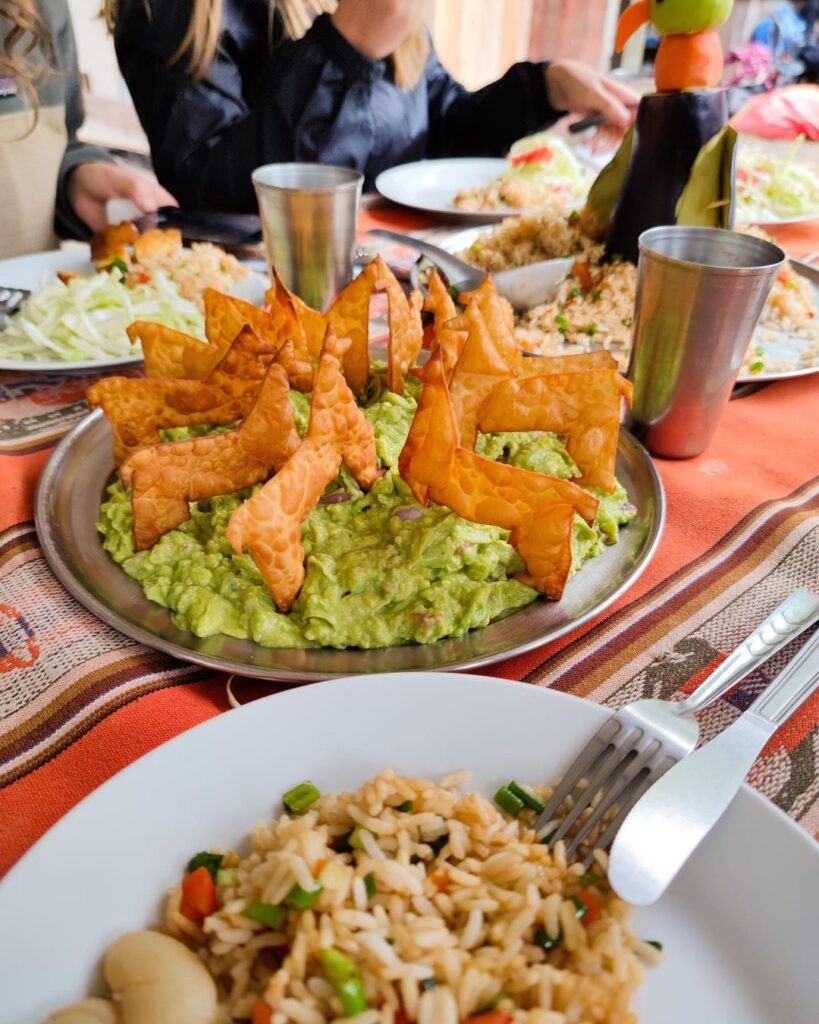
During the Inca Trail, the food is traditional Andean cuisine, prepared with local ingredients for an immersive experience. It also has properties that aid in energy recovery and is designed for acclimatization and physical exertion. The menus include soups and stews accompanied by coca tea, a traditional herb that helps with altitude sickness and fatigue.
If you are a vegetarian or have an allergy to any ingredients, don’t worry; the agencies authorized to operate on this route adapt their menus to meet the needs of their passengers.

Regulations and safety measures on the Inca Trail
The Inca Trail has strict safety and control measures in place to protect both hikers and the cultural and natural heritage of Machu Picchu. Thanks to these regulations, this route is considered a safe and well-protected destination. Some of the restrictions you should be aware of are:
- Access is only possible via authorized routes and with an authorized agency.
- You can only access the trail from 5:30 a.m. to 2:00 p.m.
- You must have a valid ID.
- You must be registered at the checkpoints.
- Hiking is prohibited from 6:00 p.m. to 5:30 a.m., etc.
CAUTION: Please be aware that throughout your journey, park rangers and surveillance personnel will be vigilant in enforcing the tourist use regulations of the Inca Trail. Being familiar with them will help you avoid breaking the rules.
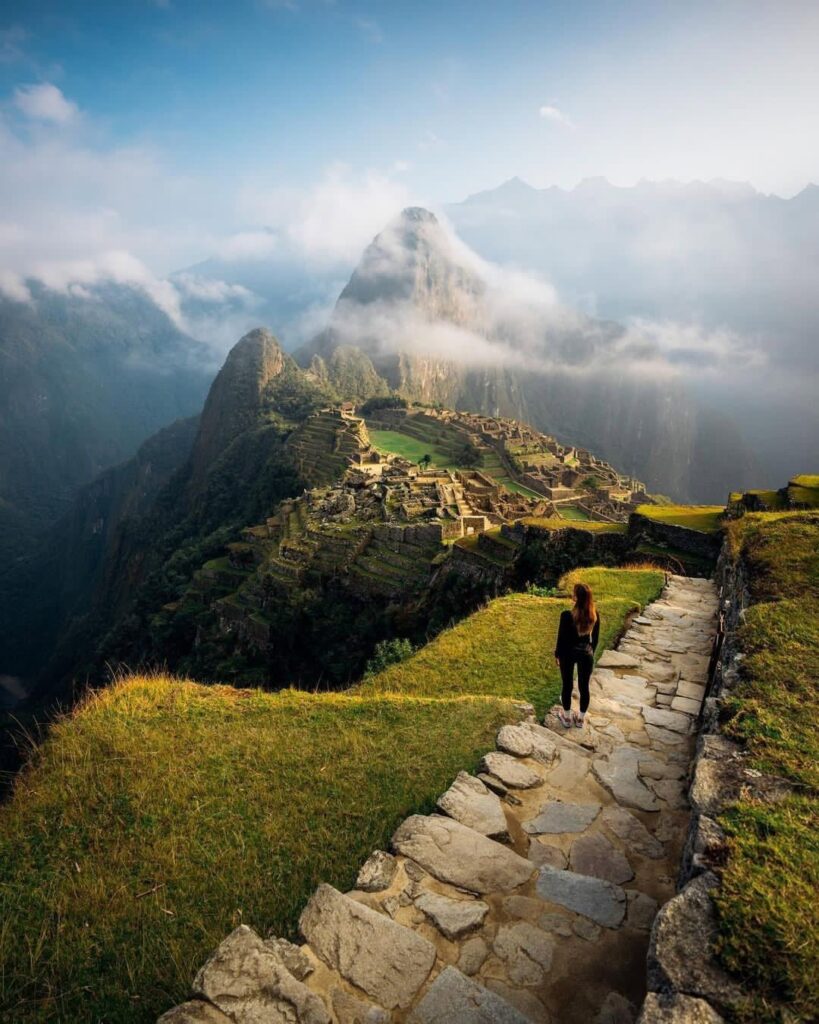
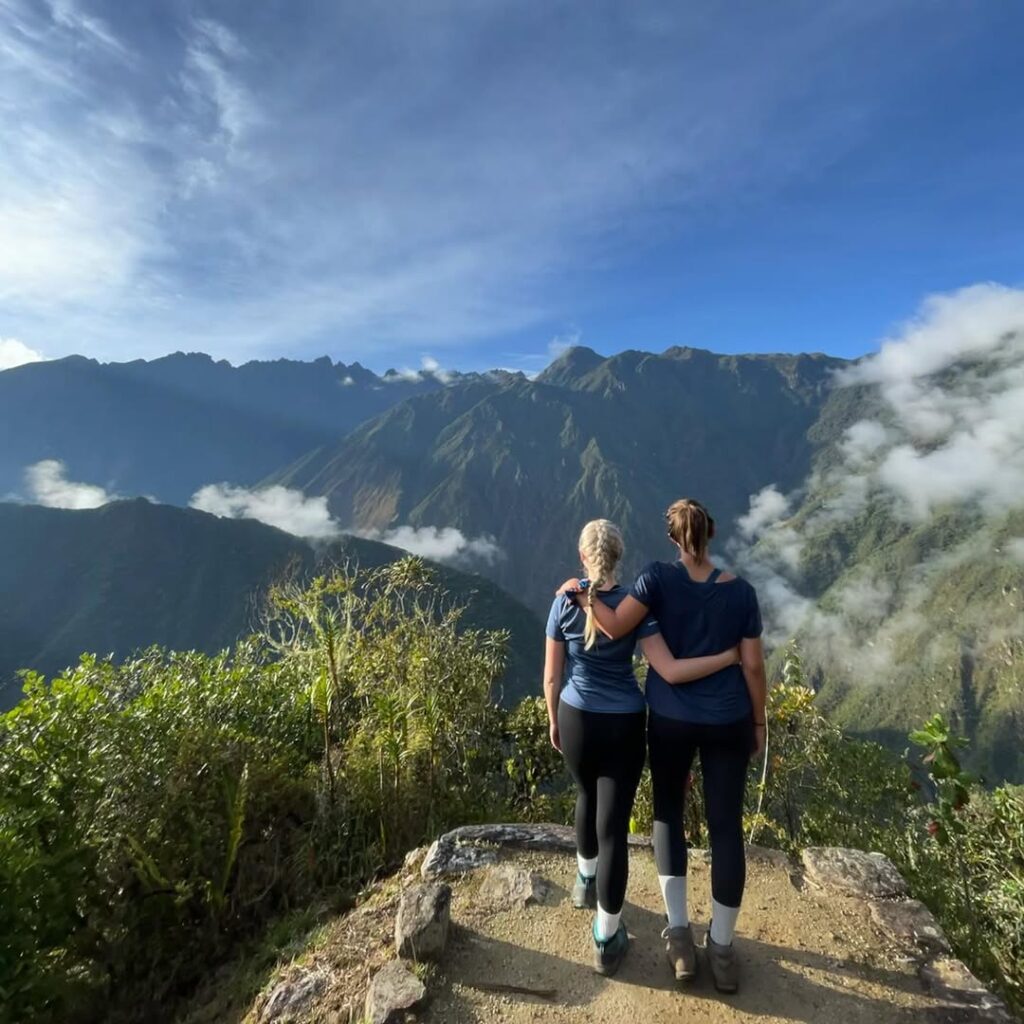
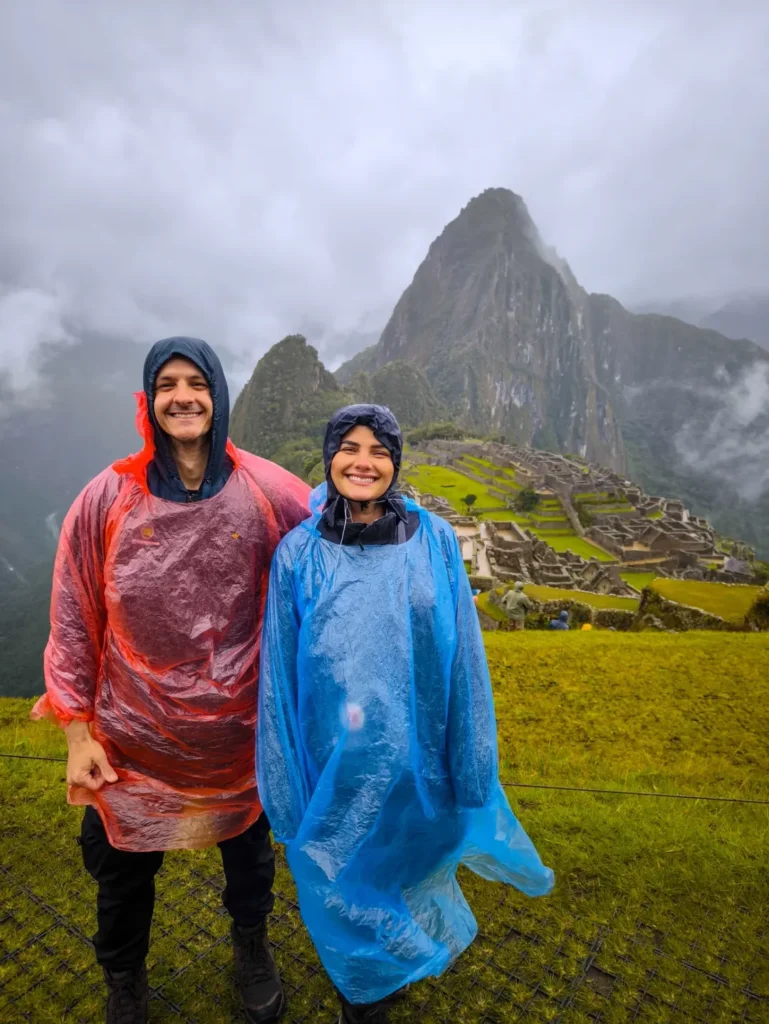
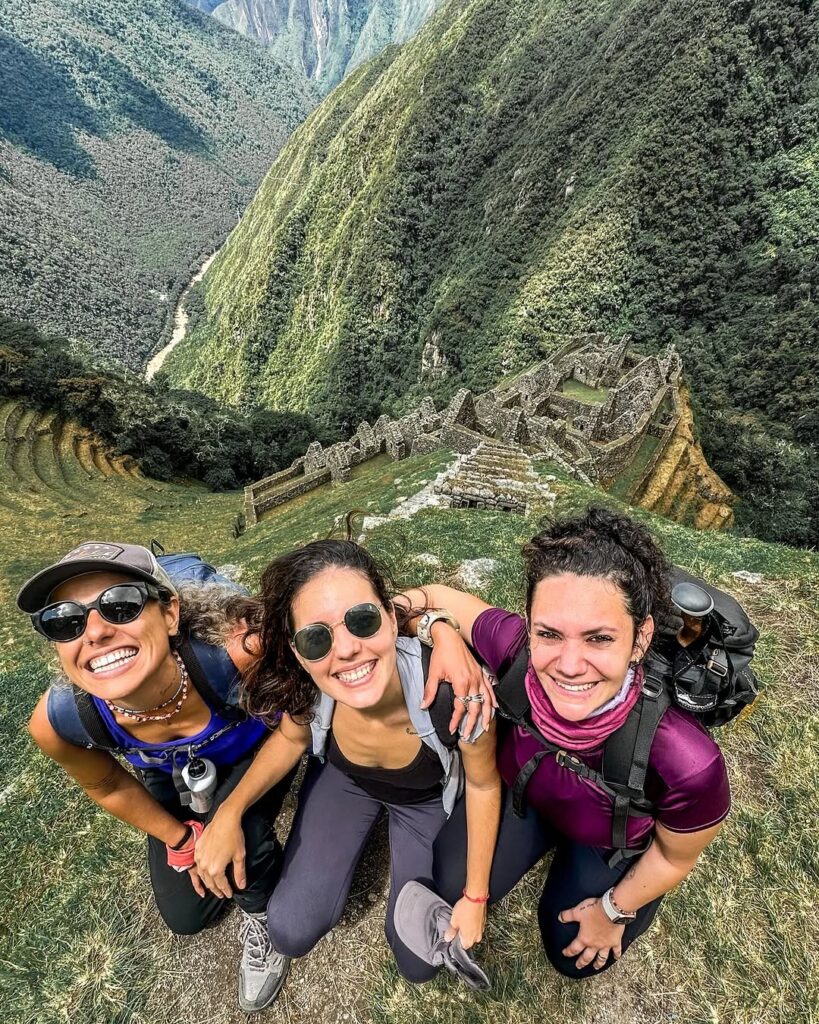
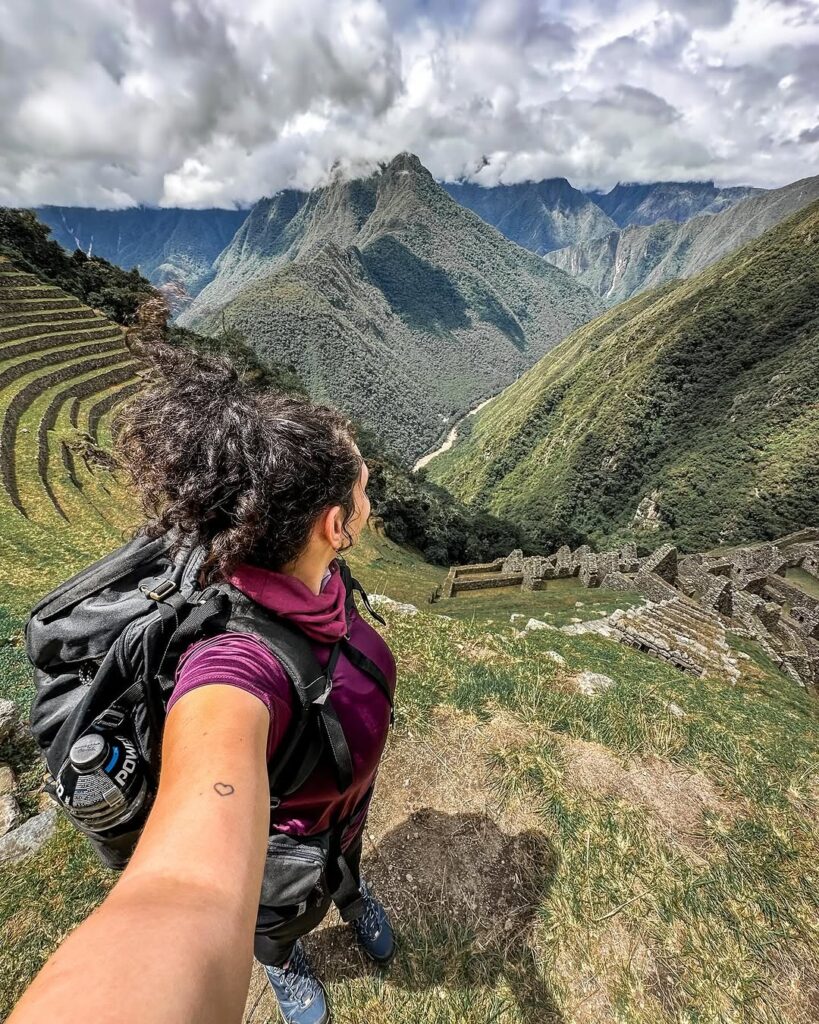
Where to Capture the Best Photos During the Inca Trail to Machu Picchu?
The Inca Trail Peru is one of the world’s most famous and picturesque hiking routes, offering plenty of opportunities to take stunning photographs. Here are some places along the trail where you might capture some of the best shots:
- Kilometer 82
- Llactapata
- Runkuraqay
- Phuyupatamarca
- Inti Punku (Gateway of the Sun)
- Machu Picchu
- Bridges and passages
- Inca stairways
- Panoramic views
Other Alternative Trekking Routes in Cusco
Didn’t manage to get a spot on the famous Inca Trail? Don’t worry. Cusco offers many other trekking routes just as breathtaking, thanks to its rich geography and culture. Below you’ll discover trails that are perfect for you if you’re a lover of adventure, majestic landscapes, Andean communities, and unique experiences.
Here are some of the best alternatives to the Inca Trail, which can be done in one or several days:
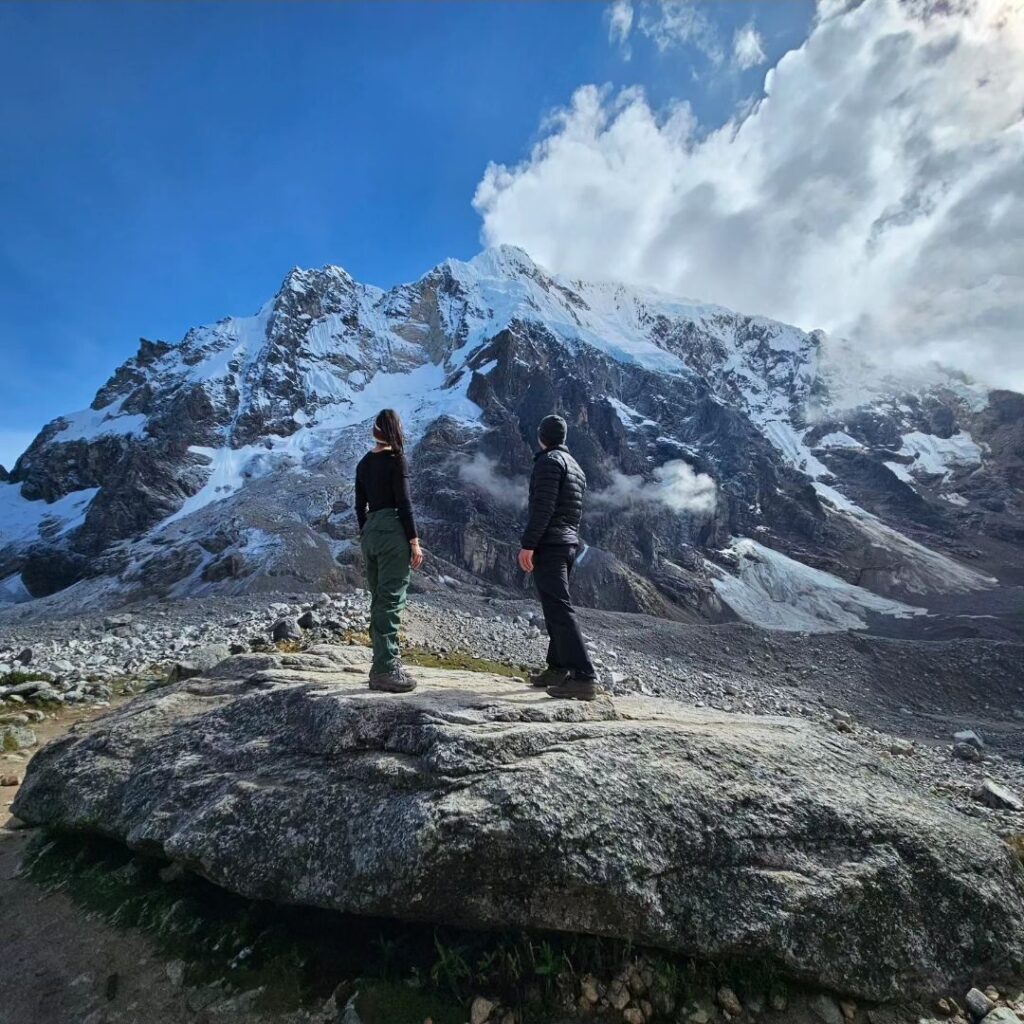
- Salkantay Trek: One of the most popular routes after the Inca Trail. It crosses landscapes that combine towering glaciers, turquoise lagoons, and cloud forest, offering a demanding yet rewarding experience.
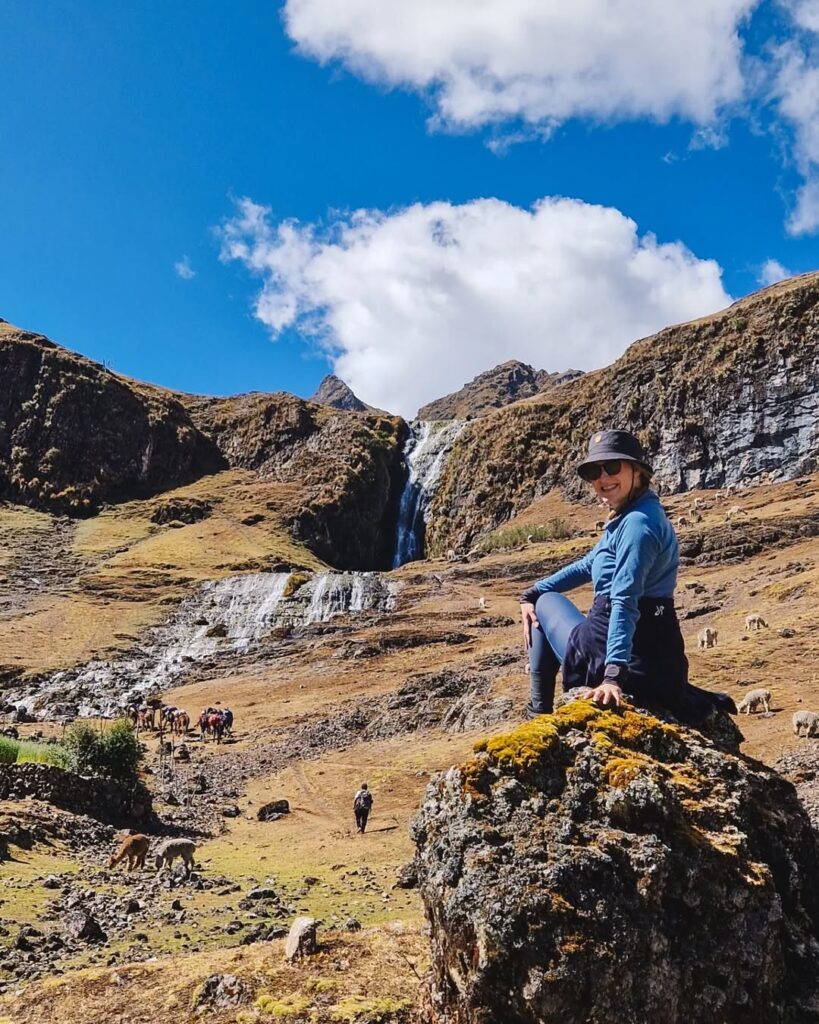
- Lares Trek: Perfect for travelers seeking cultural immersion. This route takes you through traditional Andean communities, where you can learn about their way of life and enjoy natural hot springs.
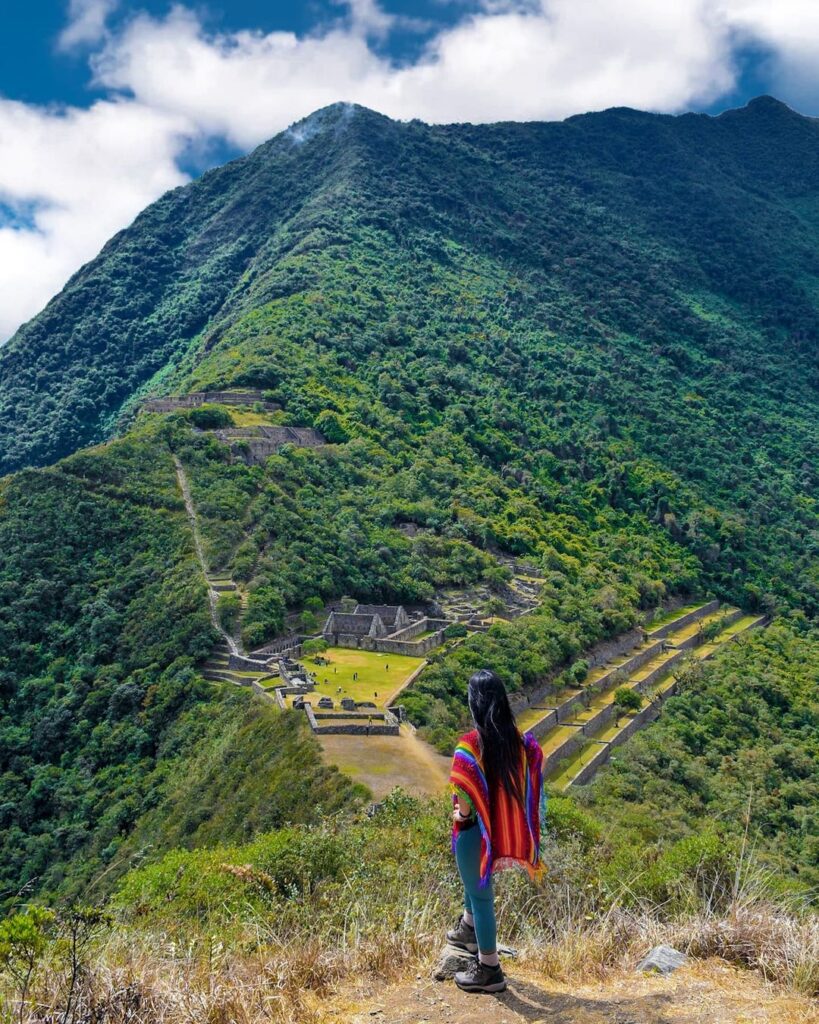
- Choquequirao Trek: A challenge for the most adventurous. It leads to the Inca citadel of Choquequirao, often referred to as the sacred sister of Machu Picchu, a lesser-visited site still surrounded by breathtaking mountains.
- Inca Jungle Trek: An alternative route that combines hiking with adventure activities such as biking and rafting. Ideal for those looking for a more diverse itinerary before reaching Machu Picchu.
- Inca Quarry Trek: A lesser-known route that stands out for its Andean landscapes, archaeological remains, and the ancient quarries where stones were once extracted to build Inca monuments.
Conquer the Inca Trail: Journey Through History
We can’t deny it: Peru has the power to transform you. You’ll carry memories that will shine in your mind like precious gems. Not only will you have walked the same path that the Incas used more than 500 years ago, but you will also have created your own path in history, linking the past and the present in an unforgettable moment. We hope this information clarifies your doubts and you’ll finally grab your suitcase.
So get ready to be captivated, inspired, and uplifted on a journey that will surpass all your expectations. The adventure awaits; the Inca Trail Peru is calling. It’s time to embrace the wonder that awaits you with every step!