











According to Peru Rail and the District Municipality of Machu Picchu, over 500 tons of solid waste are generated annually in the historical sanctuary of Machu Picchu, the Inca Trail network, and the town of Aguas Calientes. However, in response to this situation, the body attached to the Ministry of the Environment (SERNARP) has been undertaking significant public management actions in the aforementioned scenario. This has translated into constant awareness campaigns on the collection and cleaning of solid waste in collaboration with the Decentralized Directorate of Culture Cusco, tour operators, and the general population.
In this context, Salkantay Trekking, adhering to regulations and eager to contribute to the reduction of plastics and solid waste in the Inca Trail network and the historical sanctuary of Machu Picchu, has implemented various awareness and environmental education initiatives focused on the Inca Trail, which serves as the entrance to the Inca citadel of Machu Picchu.
We are proud to promote good practices for reducing single-use plastics on the Inca Trail, aspiring to preserve it as the natural paradise bequeathed to us by the Incas while mitigating the impact of waste along the route.
Reducing the impact of solid waste depends on teamwork. At Peru Hike, we conduct ongoing training and workshops in coordination with SERNARP and our collaborators to promote environmental education and awareness within our culture.
In this blog, we will explore the implemented good practices for plastic reduction along the Inca Trail, thus preserving the beauty of this cultural treasure.



1.Reusable Bags
We promote the use of reusable bags as one of the simplest ways to reduce plastic consumption. We encourage hikers to carry durable fabric bags, which are environmentally friendly and practical for transporting belongings. We promote the use of bags made of fabric, jute, or mimbe, contributing to the reduction and gradual elimination of plastic.
2. Reusable Water Bottles
We encourage and educate our passengers and collaborators not to opt for disposable water bottles, urging visitors to bring reusable bottles. Additionally, we work in coordination with social media and virtual platforms to promote the use of canteens and the reduction of plastic on the route.
3. Waste Collection
We foster a culture of environmental responsibility by providing hikers with biodegradable garbage bags and promoting waste collection to ensure the cleanliness of the trail. We raise awareness about the importance of caring for the various archaeological sites along the Inca Trail and the historical sanctuary of Machu Picchu. Furthermore, we discourage the use of styrofoam and encourage its replacement with glass containers, cornstarch, or other alternatives, aiming to generate a lesser impact on nature.
4. Awareness and Education
We organize informational sessions before the hike to the Inca Trail to raise awareness among visitors about the importance of plastic reduction. Understanding the environmental impact of our actions can motivate more active participation in preserving the route. Additionally, we work with the 3 Rs – reduce, replace, and recycle – and comply with all regulations set by SERNARP regarding the use of appropriate colors for each type of solid waste and environmental education.
At Salkantay Trekking, we are working to reduce single-use waste through training, workshops for our staff, and creative audiovisual interaction on all our web platforms and social media. We are committed to change and environmental best practices in our home.
Understanding the Importance of Sustainability
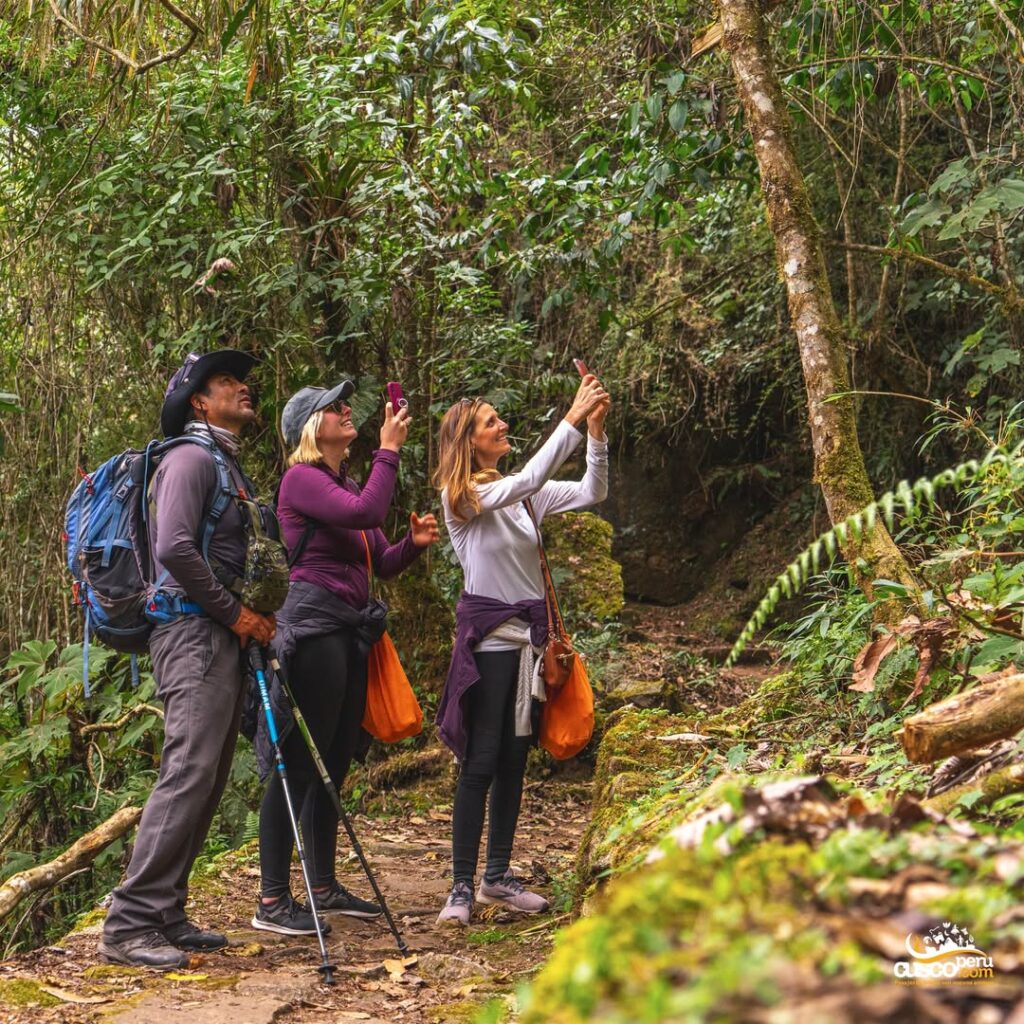
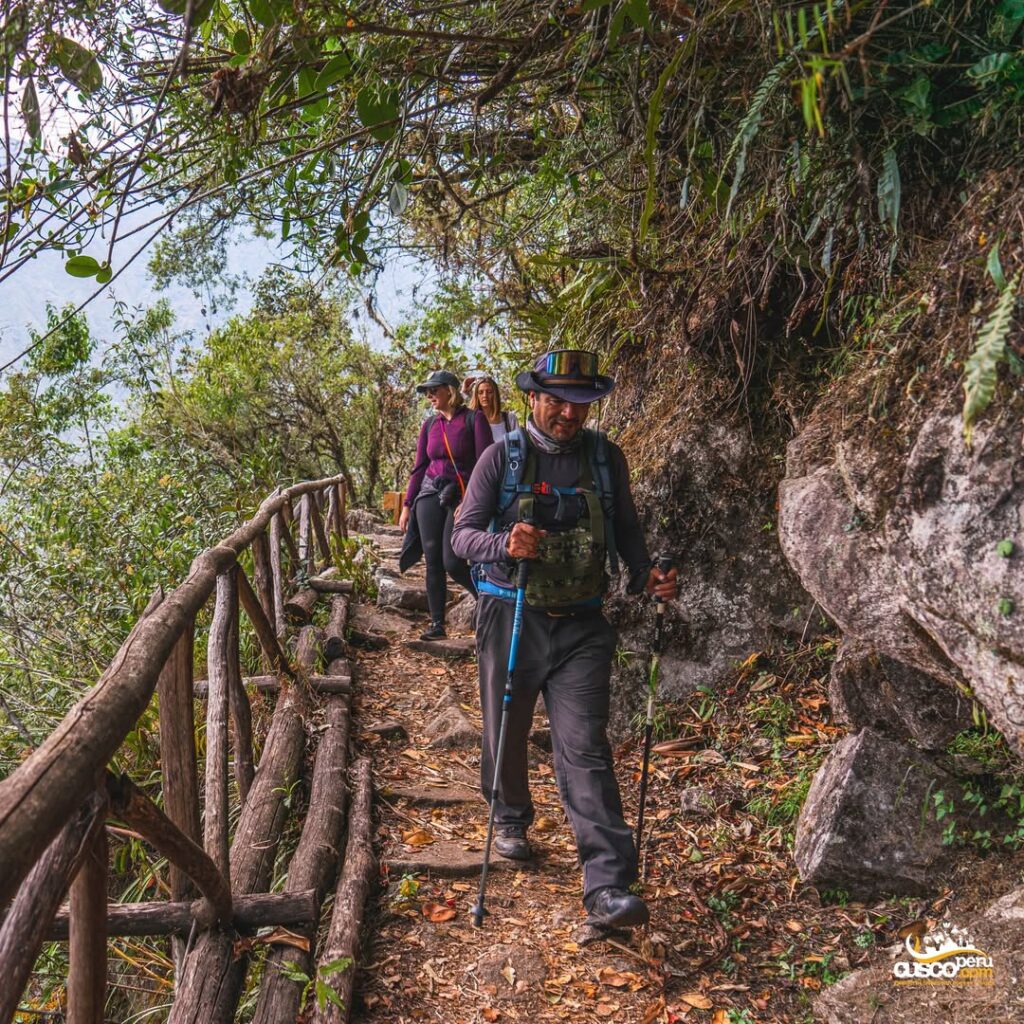
The Inca Trail is not only a popular trekking destination but also a significant cultural and ecological site. As hikers traverse this ancient path, it is crucial to implement the best environmental practices to preserve its natural beauty.
Essential Practices for Eco-Friendly Trekking
One of the best environmental practices on the Inca Trail is adhering to a Leave No Trace policy. This means carrying out any waste, being mindful of fire regulations, and avoiding causing damage to vegetation and wildlife. By packing out trash and minimizing our footprint, we can protect the trail for future generations.
Educating Trekking Groups and Tourists
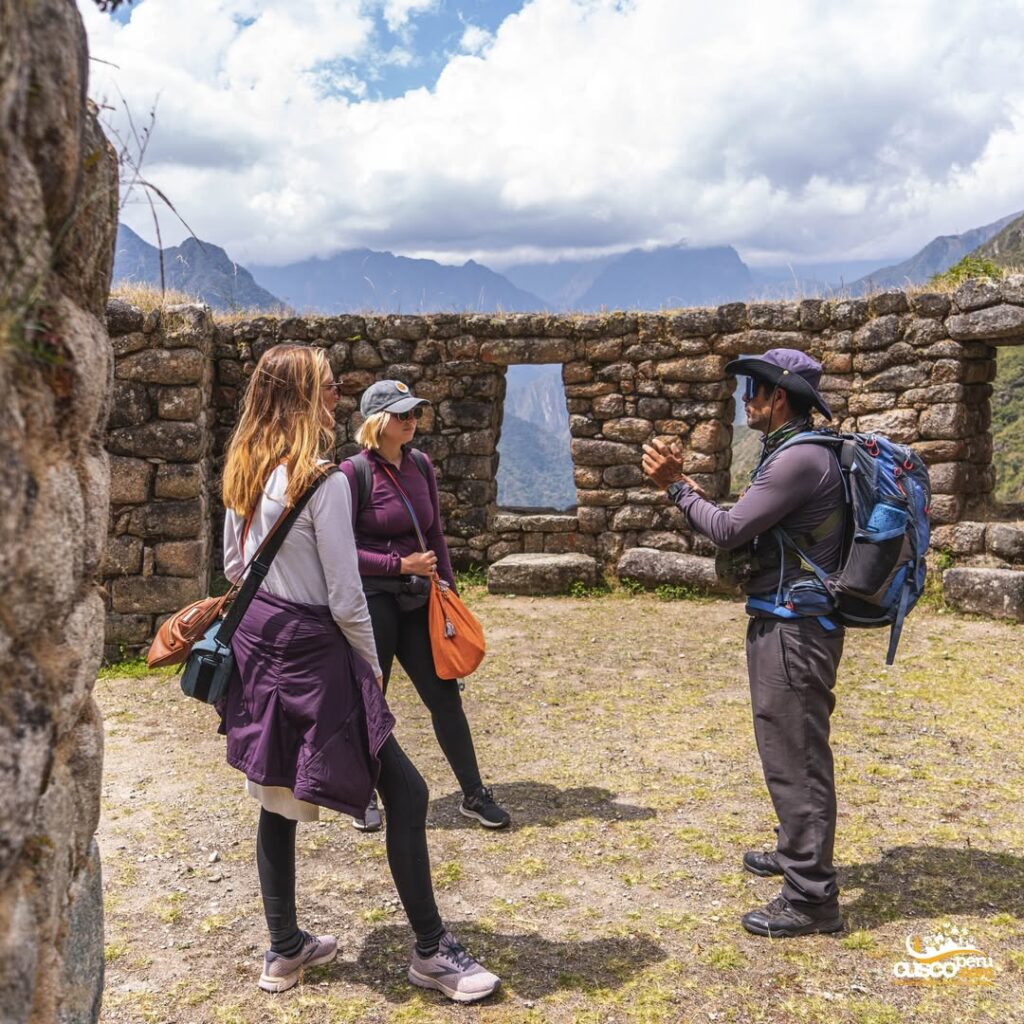
Incorporating education into trekking tours is another key practice. Informing trekkers about the local ecology and the importance of maintaining it encourages responsible behavior. Sharing knowledge about the various ecosystems can enhance the experience and foster a sense of stewardship among hikers.
By following these best environmental practices on the Inca Trail, we can enjoy its remarkable landscapes while ensuring that we preserve its delicate ecosystem. Sustainable trekking not only benefits the environment but also contributes to the overall experience of this historic journey.