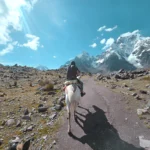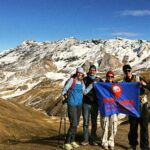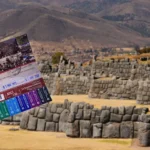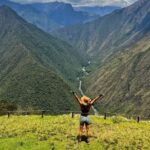



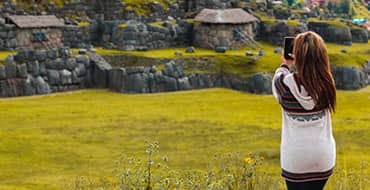
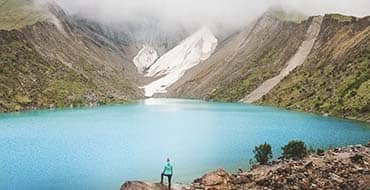
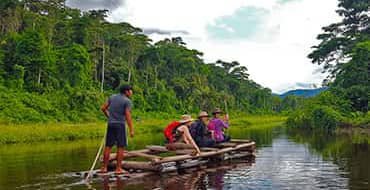

If you’re searching for a unique way to reach Machu Picchu, far from the busy tourist routes, the Ancascocha Trek is an outstanding choice. This breathtaking trail takes you through remote Andean valleys, towering mountain passes, crystal-clear lakes, and traditional communities, offering an unforgettable adventure in the heart of Peru.
In this guide, you’ll learn everything you need to know about the Ancascocha Trek to Machu Picchu, including what makes it one of Peru’s most spectacular alternative treks, what to expect along the route, and why it’s perfect for travelers looking for incredible scenery, tranquility, and an authentic hiking experience.
What is the Ancascocha Trek?
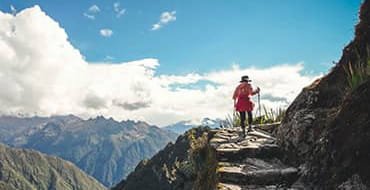
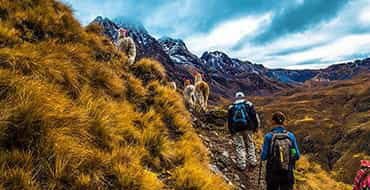
The Ancascocha and Machu Picchu trail is a beautiful 5-day journey, ideal for those seeking a unique experience away from the crowds. Despite its proximity to the classic Inca Trail, this route, also known as the Hidden Inca Trail, is less traveled and offers spectacular views.
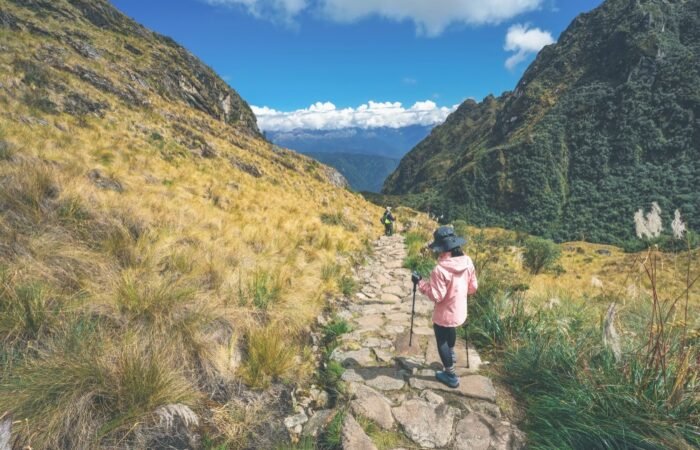
During the trek, you’ll be rewarded with impressive landscapes, including towering waterfalls, Inca constructions, and panoramic vistas. Additionally, you’ll pass through Quechua agricultural communities and traditional villages like Ancascocha (3,900 m / 12,795 ft). The highest point of the trek is the Abra Huayanay (4,650 m / 15,256 ft).
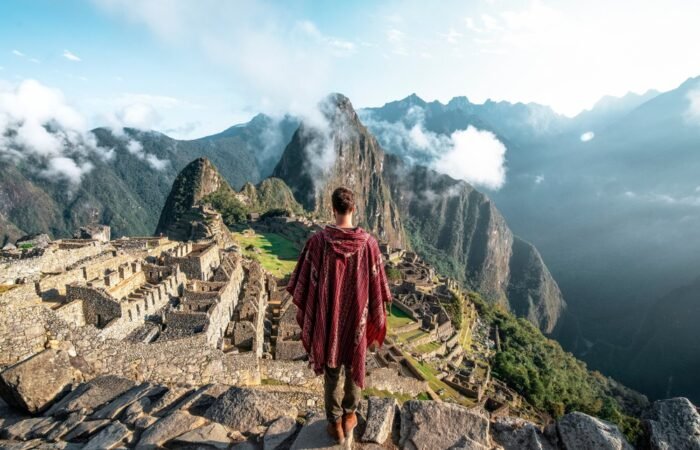
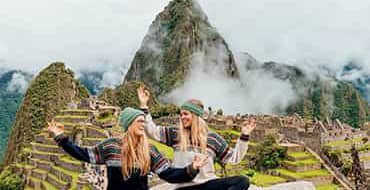
The journey culminates with a visit to Machu Picchu, one of the World’s New Seven Wonders and a UNESCO World Heritage Site. Enjoy a guided tour before returning to your accommodation in Cusco. Every detail is taken care of so you can enjoy every minute of this incredible experience.
What to Expect from this Trek?
- Walk through the glorious Andes in peace and tranquility, away from the crowds.
- Enjoy guided visits to different Inca sites along the way.
- Trek the Ancascocha trail, which is considered one of the best routes in the world by National Geographic.
- Visit Quechua agricultural communities that still practice ancestral customs.
- Observe Andean rural communities and their way of life, which are far from the nearest town.
- Contemplate the most marvelous and grand landscapes throughout the journey.
- End your trek with a visit to Machu Picchu, a UNESCO World Heritage Site and a New Wonder of the World.
Where is the Ancascocha Trek in Peru?
The Ancascocha Trek is located in the Cusco region of Peru and begins in the community of Soqma, near the Sacred Valley.
From there, the trail gradually ascends through high-altitude mountain paths. The trek ends with your visit to Machu Picchu, after descending to Ollantaytambo, followed by a train ride to Aguas Calientes (also known as Machu Picchu Pueblo).
Best Time to Hike the Ancascocha Trek in Peru
Due to its high altitude and less-developed terrain, conditions on the Ancascocha Trek can feel more intense than on other routes.
Here’s how to choose the best time to go:
Dry Season (May to October) — Best Time to Go
- Weather: Sunny days, clear skies
- Advantage: Better views and more stable trails
- Key condition: Minimal rainfall
This is the best time to hike the Ancascocha Trek. Trails are firmer, and views of mountains and lakes are much clearer.
Keep in mind: Nights can be freezing, especially at higher elevations near snow-capped peaks like Verónica, with temperatures dropping below freezing.
Rainy Season (November to April) — Less Recommended
- Weather: Frequent rain and cloudy skies
- Risk: Muddy trails and reduced visibility
- Advantage: Greener landscapes
Although the route does not officially close, this is not the best time to hike. Unlike more maintained routes, the Ancascocha Trek includes sections with minimal infrastructure, making rain more impactful on trail conditions.
Keep in mind:
- Slippery paths and more physically demanding conditions
- Higher chance of fog at high altitudes
- Limited visibility of landscapes
Shoulder Season (April, May, October, November) — Good Alternative
- Weather: Variable (sun + occasional rain)
- Advantage: Fewer crowds and greener landscapes
- Risk: Rapid weather changes
This is a great option if you want to avoid peak season. However, you should be prepared for occasional rain and sudden temperature shifts.
Keep in mind: Some sections may start becoming slippery, especially on descents.
Highlights of the Ancascocha Trek
Based on real experiences from travelers and trekkers, these are the elements that truly set the Ancascocha Trek apart:
- Peaceful trails with very few hikers: Unlike the more popular routes, the Ancascocha Trek offers long stretches where you may not see another trekking group, allowing you to fully enjoy the serenity of the Andes.
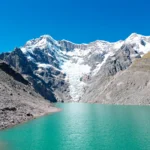
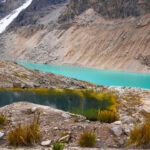
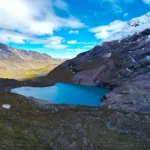
- Spectacular alpine lakes and cascading waterfalls: The trail passes by turquoise lakes, mountain streams, and beautiful waterfalls that add color and life to the landscape throughout the journey.
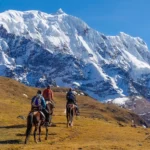
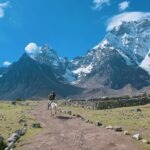
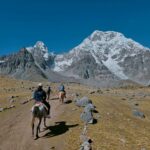
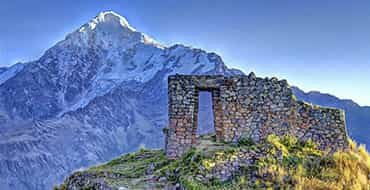
- Magnificent views of Mount Verónica: One of the route’s greatest highlights is the uninterrupted panorama of snow-covered peaks, especially the majestic Mount Verónica, visible from several viewpoints.
- A remote and authentic trekking experience: With little development and few crowds, the trail provides a true wilderness adventure, perfect for travelers who want to explore Peru beyond the classic tourist circuits.
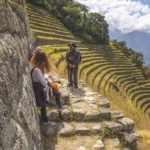
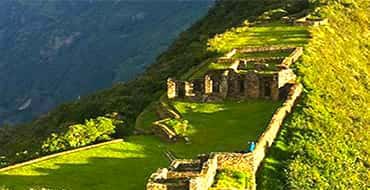
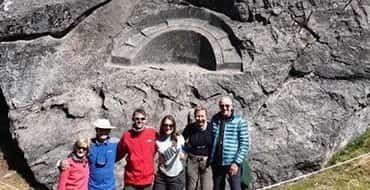
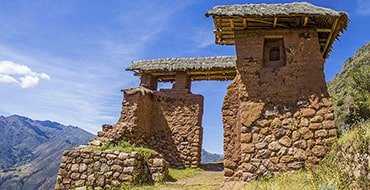
- Explore quiet Inca archaeological sites: Discover fascinating ruins such as Perolniyoc and Paucarcancha, where you can appreciate Inca history in a peaceful setting away from large tourist groups.
- Meaningful cultural encounters: Along the way, you’ll pass traditional Andean villages and meet local farmers and shepherds, offering a glimpse into the daily life and customs of the region.
- A challenging but unforgettable adventure: Steep mountain passes and high-altitude terrain make this trek physically demanding, but every climb is rewarded with breathtaking scenery and a great sense of accomplishment.
- Ever-changing mountain scenery: During the trek, you’ll experience an incredible variety of landscapes, from green valleys and alpine meadows to rocky mountain passes, glacial peaks, and cloud forest before reaching Machu Picchu.
Map and Route Details of the Ancascocha Trek
The Ancascocha Trek stands out for its high altitude, isolation, and constant landscape changes—factors that directly shape the overall experience. It is a less-developed route within Cusco, with sections where there is no signage or basic services. For this reason, proper planning and prior acclimatization are essential.
Throughout the journey, you’ll move from agricultural zones to high mountain terrain and later descend into more temperate valleys. This results in noticeable weather variations within just a few days. These characteristics make the trek not only highly scenic but also one that requires preparation and offers a deeper, more direct connection with the environment before reaching Machu Picchu.
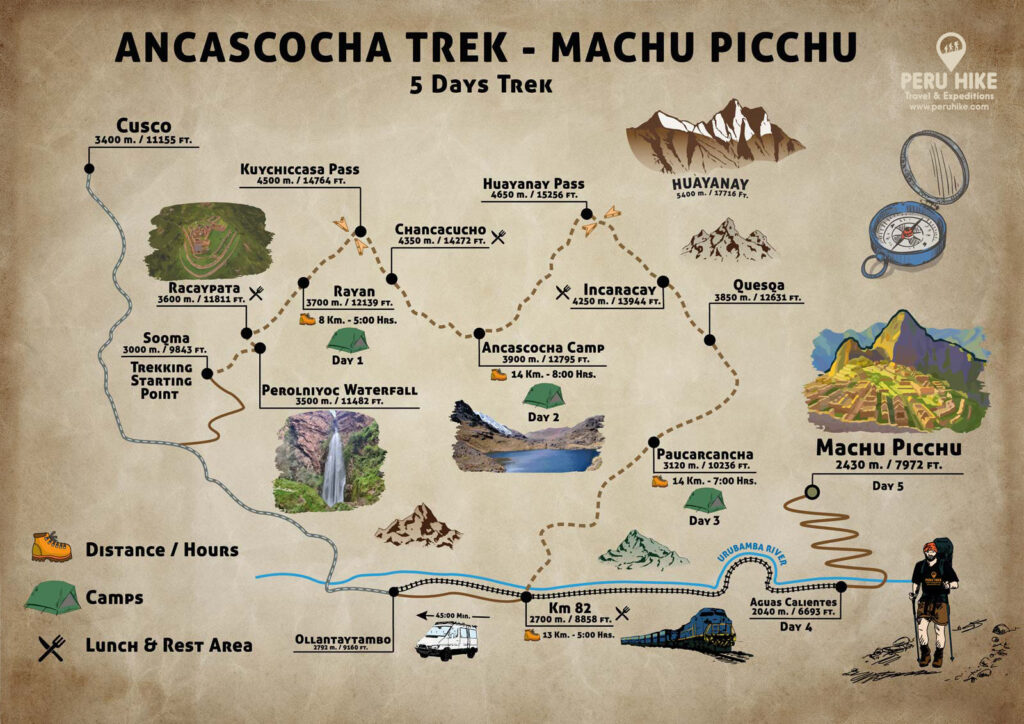
Classic Ancascocha Trek: 5-Day Itinerary (Day by Day)
Day 1: Cusco – Soqma – Perolniyoc – Racaypata – Rayan
Today, your exciting adventure begins. We will pick you up early from your hotel and travel for an hour and a half to the starting point of the trek, Soqma (3,000 m / 9,843 ft). Our transportation is exceptionally comfortable, and you can use the cozy blankets we provide to rest a bit more on the way if needed.
Before we set off, you’ll enjoy a delicious breakfast and meet our chefs and muleteers, who will accompany us throughout the trek. The journey begins with three hours to Perolniyoc Waterfall. Along the way, you’ll admire corn, wheat, and quinoa fields. Once at the waterfall, you can cool off under the cascade or take fantastic photos.
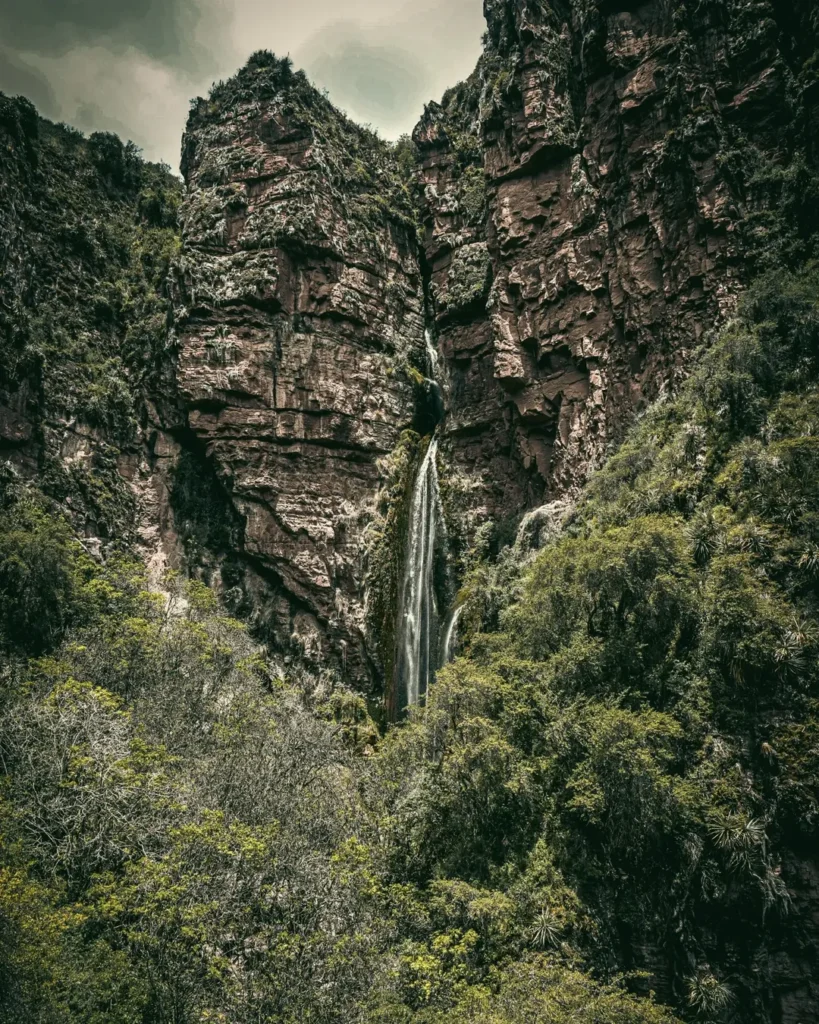
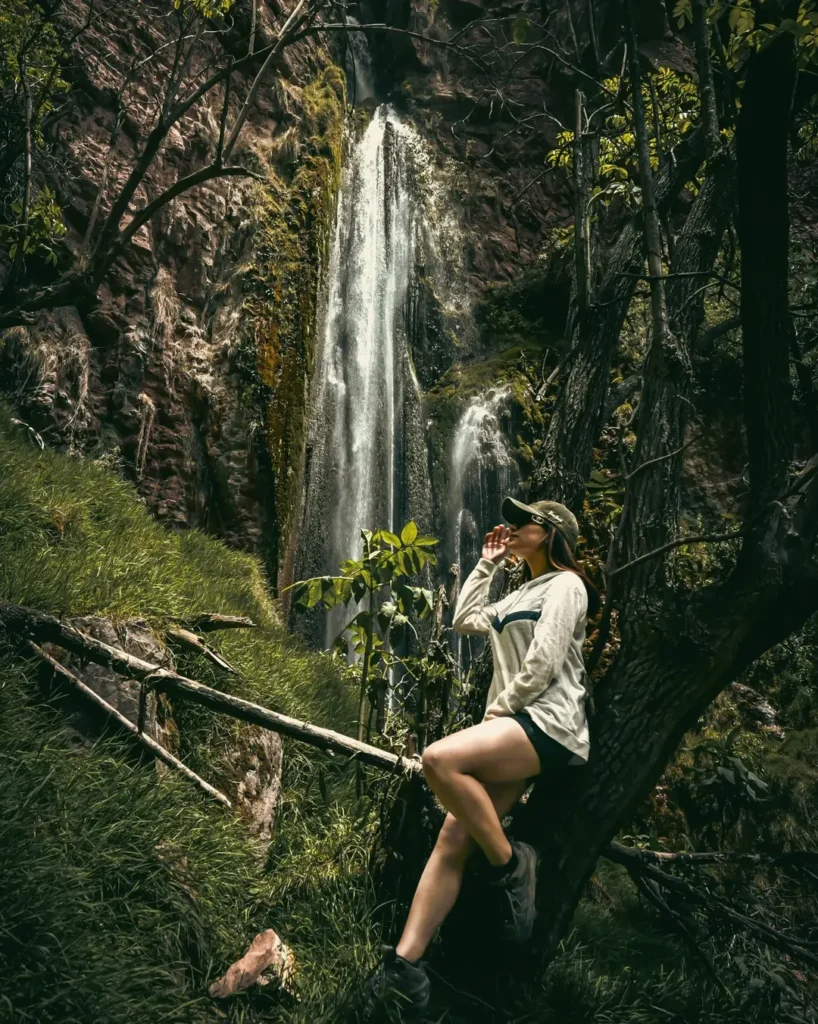
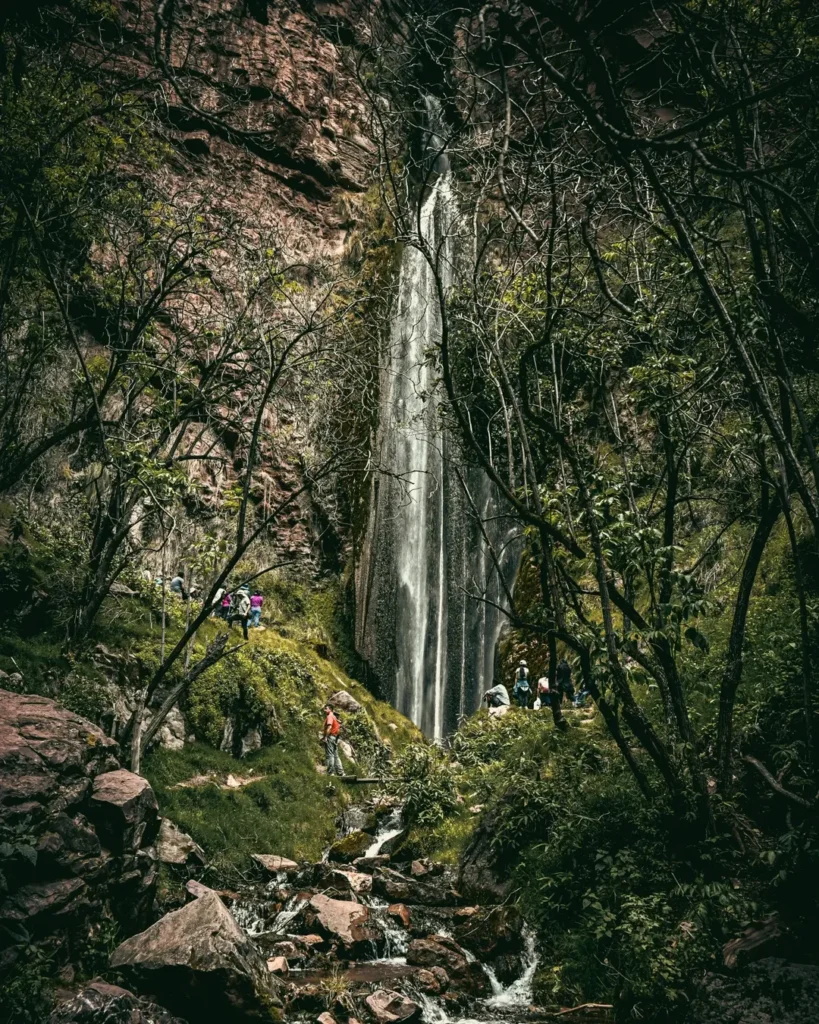
After another hour of trekking, we will reach the Inca site of Racaypata, built on the cliffside with stunning views of the surrounding valley. Our guides, experts in Inca history, will offer you a wonderful lesson about their culture.
You’ll enjoy our first lunch and savor the excellent food prepared by our chefs amidst the mountains. In the afternoon, we’ll descend for about an hour until we reach our campsite in Rayan (3,700 m / 12,139 ft). Clear nights amid the Andes are stunning, and you can rest well while appreciating the beautiful constellations and shooting stars. After enjoying a delicious dinner, you’ll retire to your camp for a comfortable night.
| Day details | |
| Meals | Breakfast, lunch and dinner |
| Lodging | Camp |
| Difficulty | Moderate |
| Walking distance | 8 km / 4.9 miles |
| Duration of the hike | 5- 6 hours |
| Minimum altitude | 3,000 m / 9,843 ft |
| Maximum altitude | 3,700 m / 12,139 ft |
| Camp altitude | 3,700 m / 12,139 ft |
Day 2: Rayan – Abra Kuychiccasa – Chancachuco – Ancascocha
When you travel with Peru Hike, you don’t need to worry about setting your alarm clock. We will wake you up with a cup of hot tea or coffee. After that, you’ll enjoy a hearty breakfast with the rest of the group before we embark on our fantastic hike.
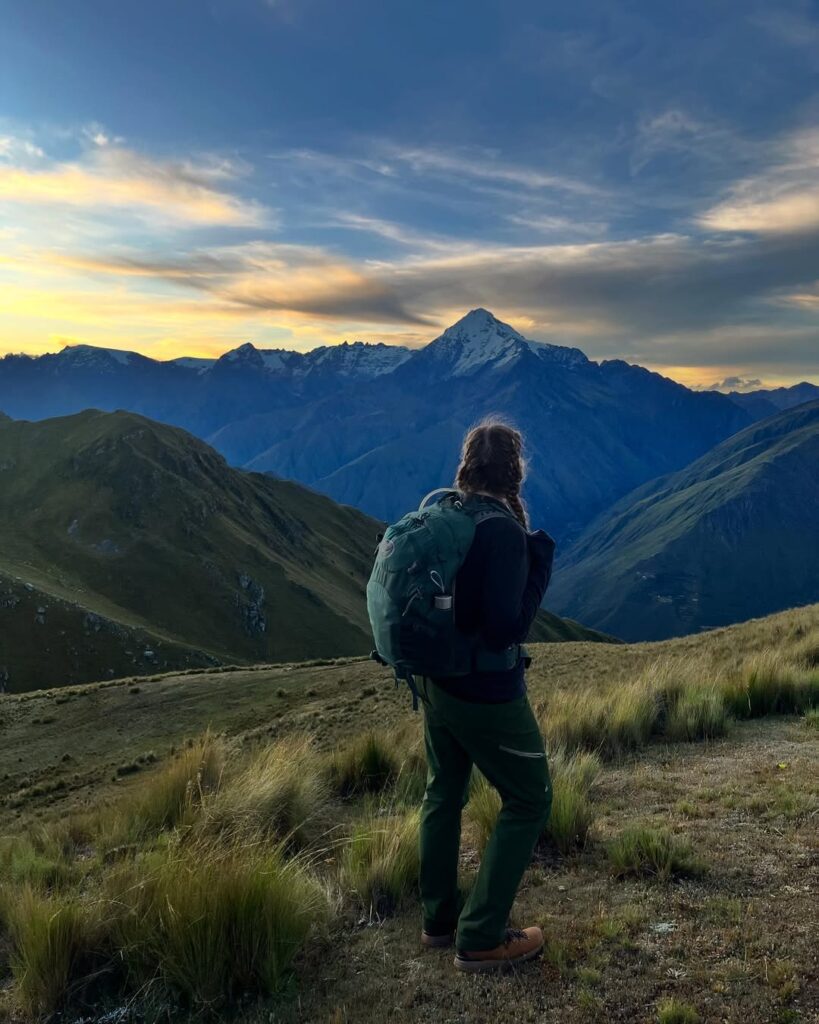
In the morning, you will ascend for about two hours to Abra Kuychiccasa (4,500 m / 14,764 ft), where you will behold beautiful landscapes. You’ll see farmland, alpacas, sheep, and, if you’re lucky, the majestic flight of a condor against the backdrop of the snowy Andean mountains.
There’s no need to rush to the top; this isn’t a race. Remember, you’ll be at a high altitude, so going slow and steady is the best approach. We’ll take a break to appreciate the spectacular views of the Chancachuco Valley and the Sacred Valley of the Incas. Then, we’ll continue for another hour until we reach our lunch spot (4,350 m / 14,272 ft), where our chefs will wait for another exquisite meal.
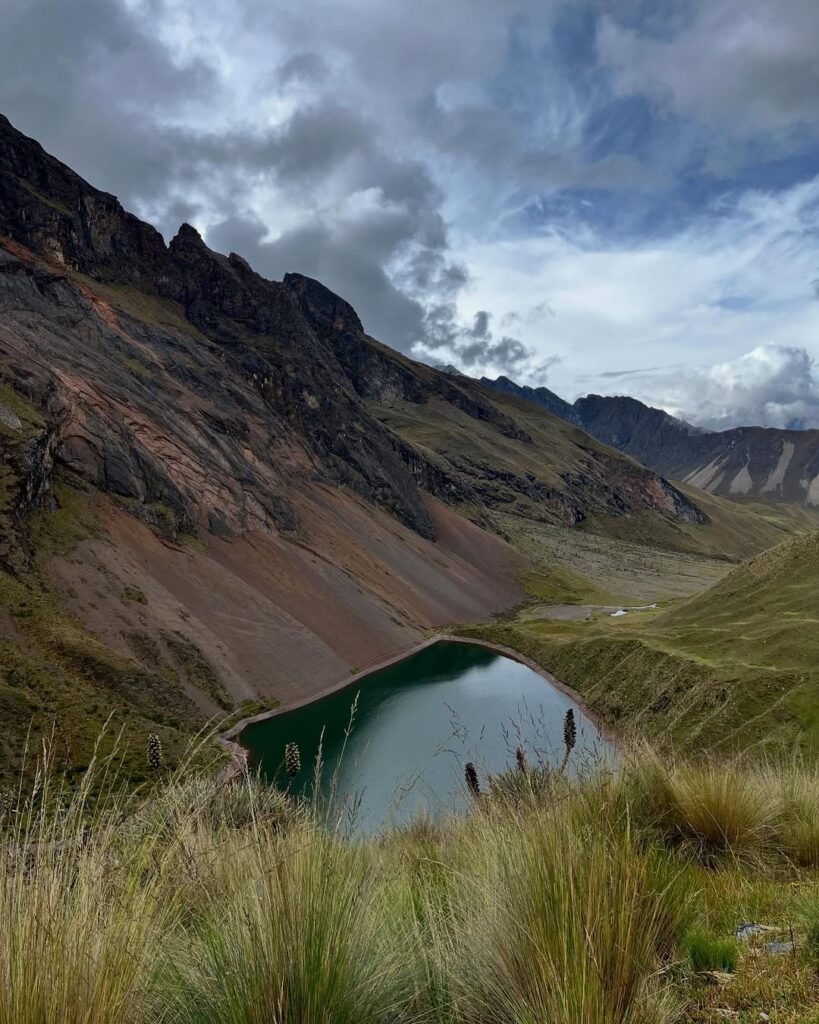
In the afternoon, you’ll continue ascending, enjoying breathtaking landscapes and stunning views of the La Verónica Glacier (5,682 m / 18,642 ft). Then, you’ll descend for four hours until you reach the community of Ancascocha (3,900 m / 12,795 ft), which shares its name with the trail.
Our campsite is truly impressive, within a beautiful valley crossed by a stream of crystal-clear waters. Here, you’ll spend a comfortable night after a great day of hiking and enjoy a delicious dinner.
| Day details | |
| Meals | Breakfast, lunch and dinner |
| Lodging | Camp |
| Difficulty | Challenging |
| Walking distance | 14 km / 8.7 miles |
| Duration of the hike | 8-9 hours |
| Minimum altitude | 3,700 m / 12,139 ft |
| Maximum altitude | 4,500 m / 14,764 ft |
| Camp altitude | 3,900 m / 12,795 ft |
Day 3: Ancascocha – Abra Huayanay – Quesqa – Paucarcancha
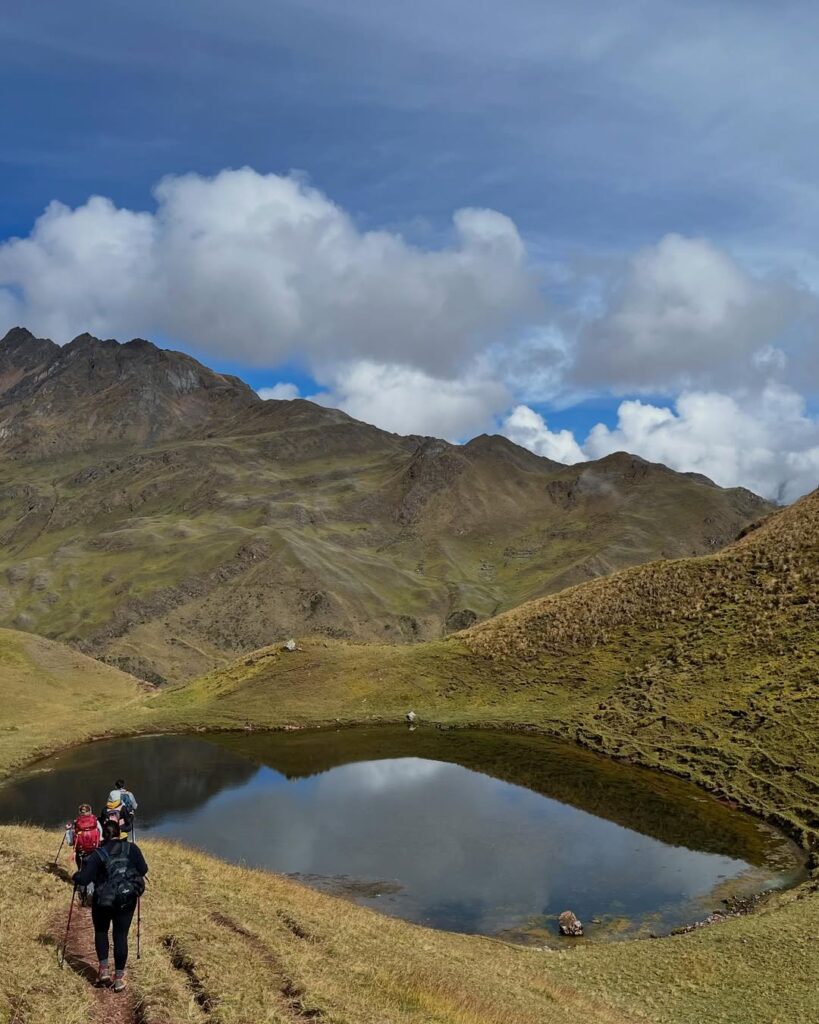
After another fantastic breakfast, you will continue your hike, ascending for an hour. You’ll be rewarded with some of the most spectacular landscapes, breathtaking views of the surrounding glaciers, Inca archaeological sites, and the brilliant blue of Ancascocha Lagoon.
Next, you’ll ascend for two more hours to the route’s highest point, Abra Huayanay (4,650 m / 15,256 ft). After the strenuous effort, you’ll have plenty of time to rest at the summit and enjoy the beautiful surroundings. Then, you’ll have lunch at the Inca site of Incaracay.
In the afternoon, the hike will be much easier on your legs as you descend towards the community of Quesqa and visit the archaeological site of Paucarcancha (3,120 m / 10,236 ft). As the vegetation becomes greener and denser, you’ll notice the change in altitude. From here, you’ll get an incredible view of a section of the original Inca Trail in the distance, along with the picturesque and remote village of the Quesqa Valley.
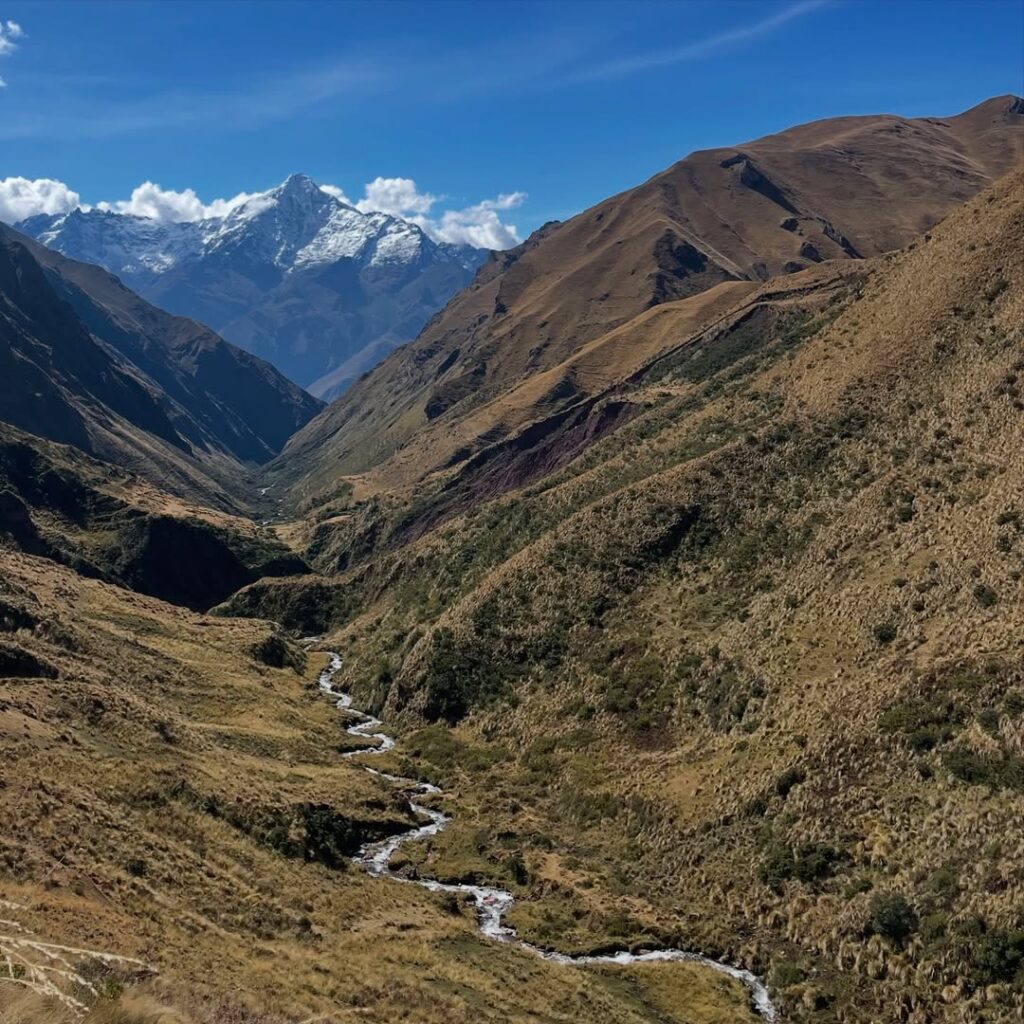
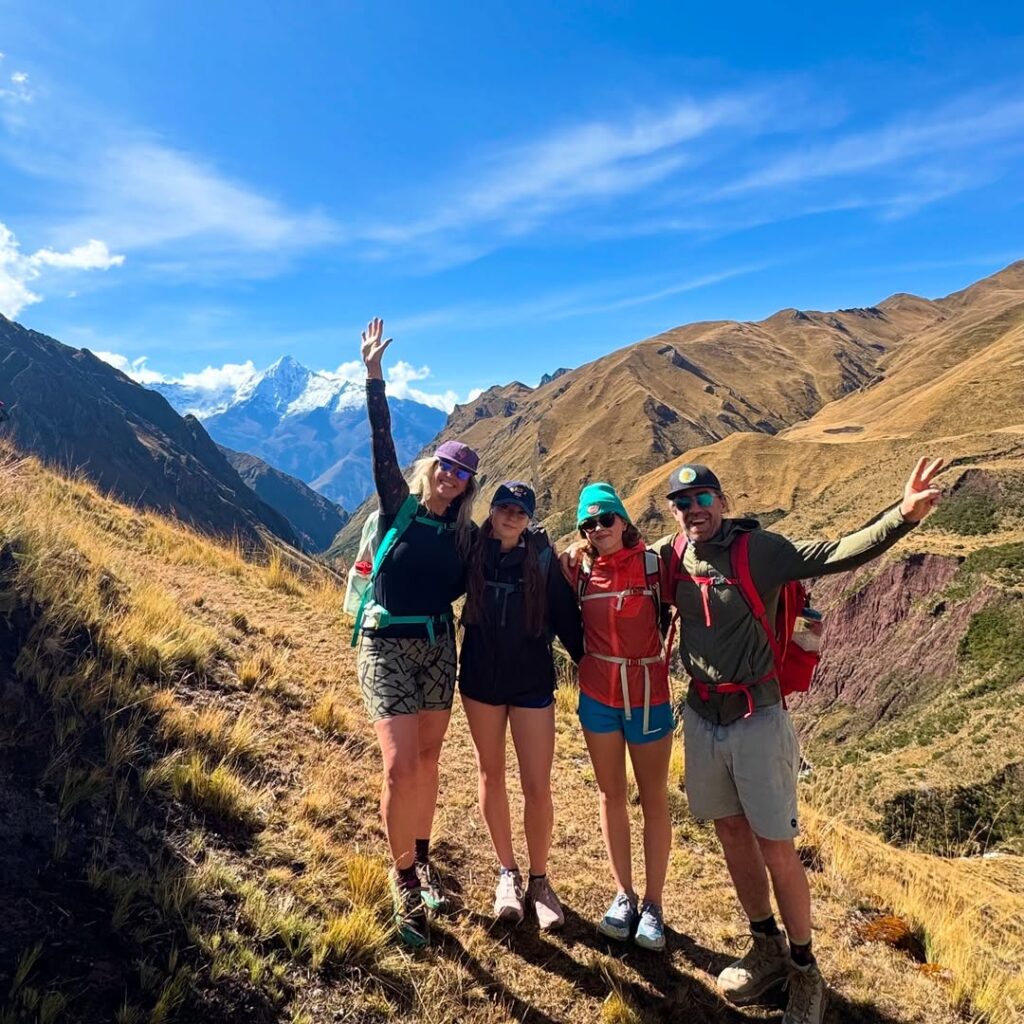
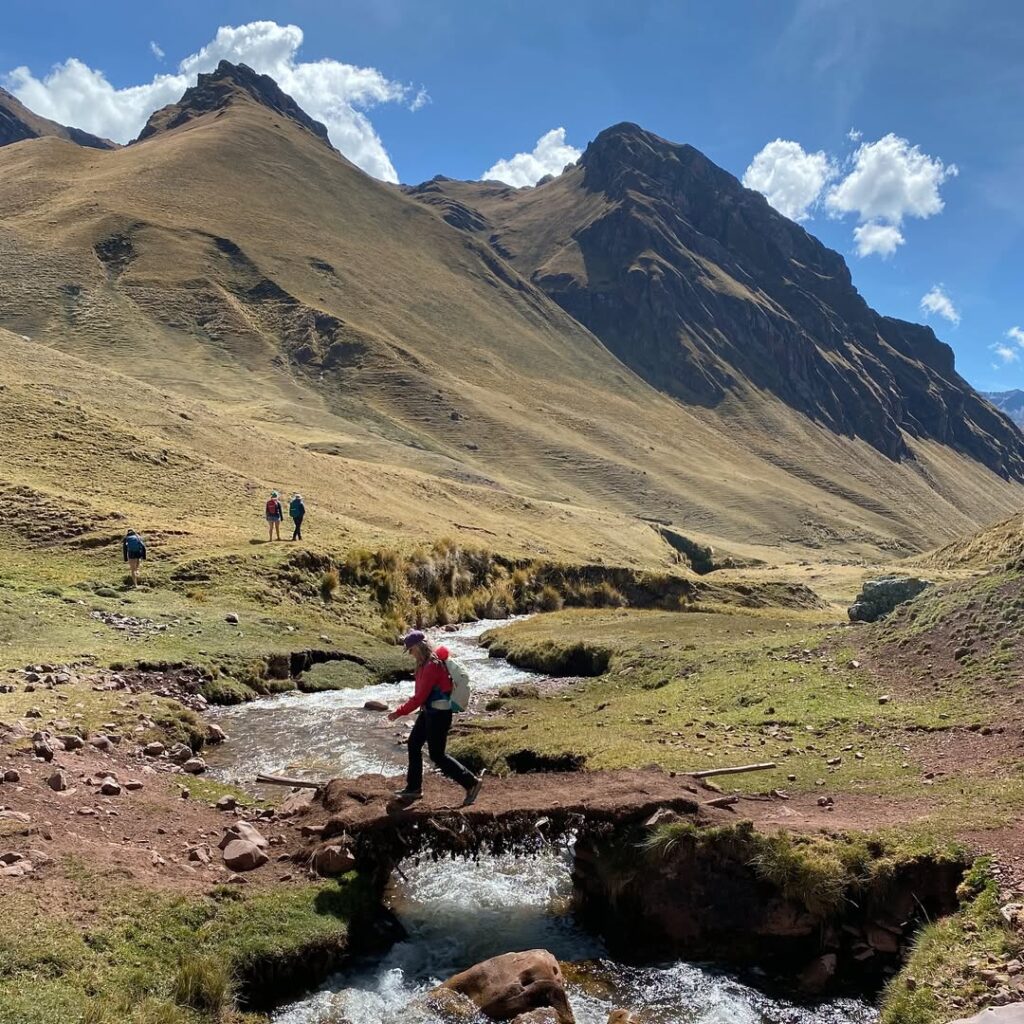
Once at Paucarcancha, your guide will take you to learn more about the site and its significance to the Inca Empire before settling into your campsite. Of course, another delicious dinner will also be waiting for you.
| Day details | |
| Meals | Breakfast, lunch and dinner |
| Lodging | Camp |
| Difficulty | Challenging |
| Walking distance | 14 km / 8.7 miles |
| Duration of the hike | 8 hours |
| Minimum altitude | 3,000 m / 9,843 pies |
| Maximum altitude | 4,650 m / 15,256 ft |
| Camp altitude | 3,700 m / 12,139 pies |
Paucarcancha – KM 82 – Ollantaytambo – Aguas Calientes
You’ll be glad to know that this day of hiking is the easiest of all and offers excellent photo opportunities. We’ll embark on a five-hour journey along the Classic Inca Trail to KM 82, where hikers typically start this route; we’ll be heading in the opposite direction. Along the way, we’ll pass through small villages and reach the impressive archaeological site of Llactapata. Across the river, you’ll see the Inca citadel of Canabamba.
At KM 82, you’ll enjoy your final lunch prepared by our skilled chefs before bidding farewell to the team that accompanied us during the journey. We’ll then transfer by private transport to Ollantaytambo (2,792 m / 9,160 ft), a picturesque Inca town in the Sacred Valley of the Incas. Here, you’ll board the train bound for Aguas Calientes (2,040 m / 6,693 ft) at the base of Machu Picchu.
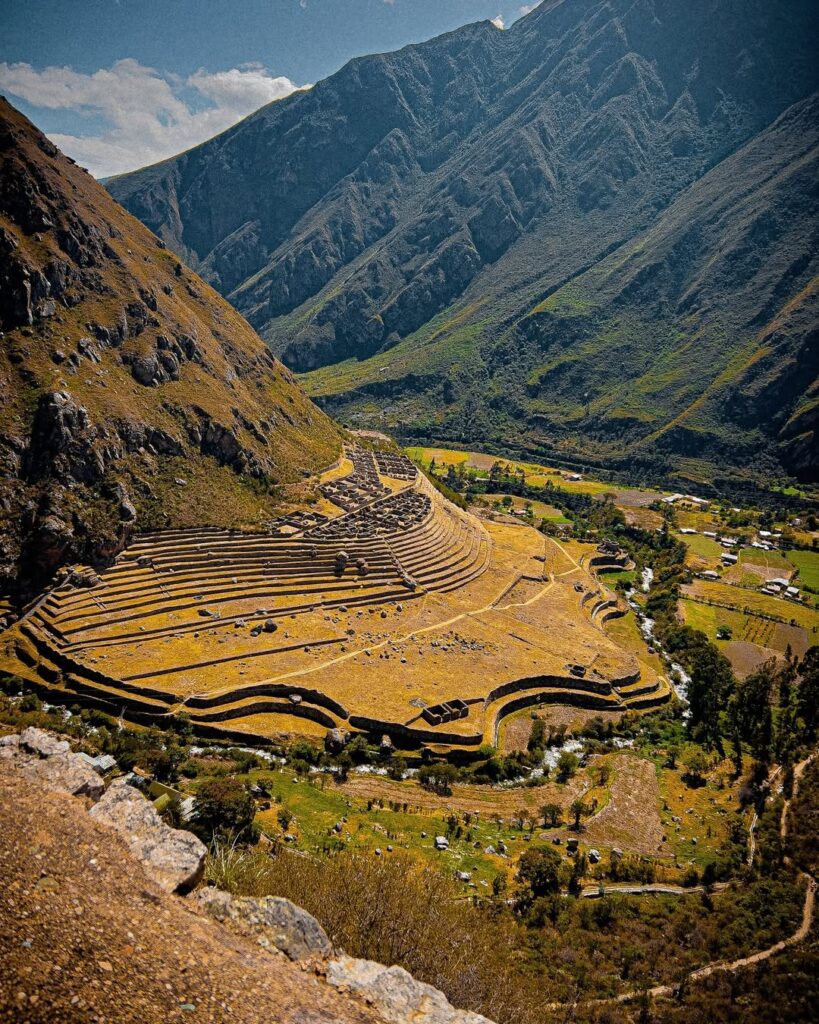
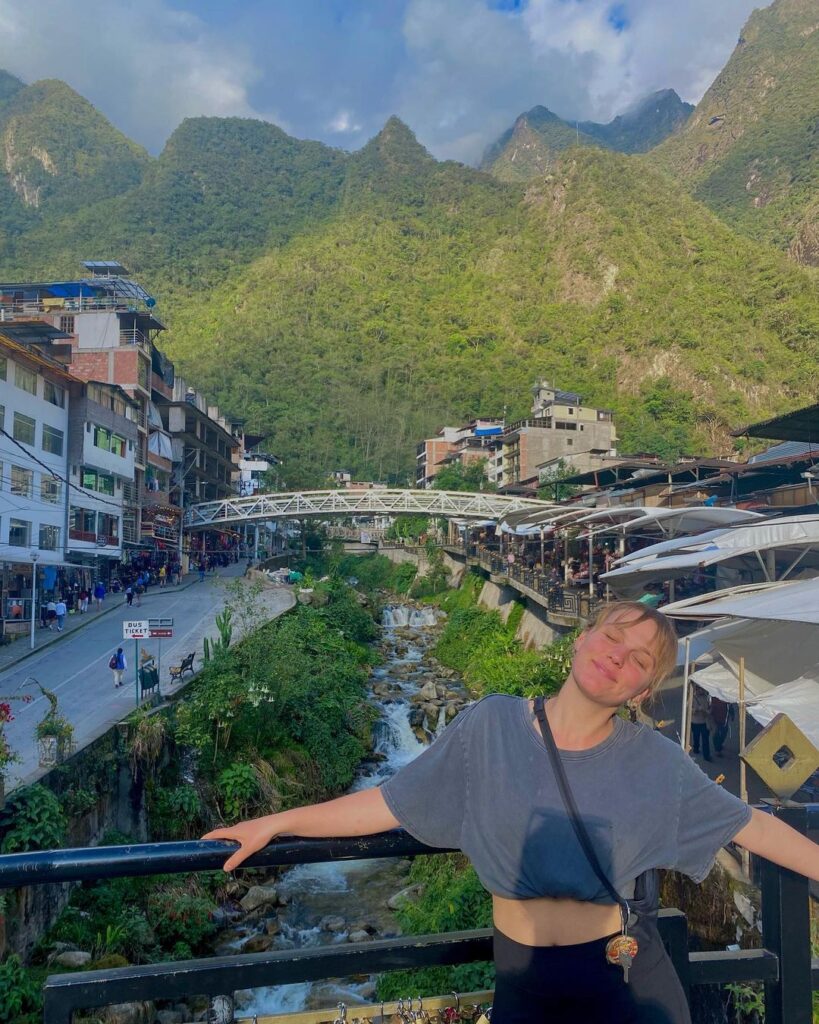
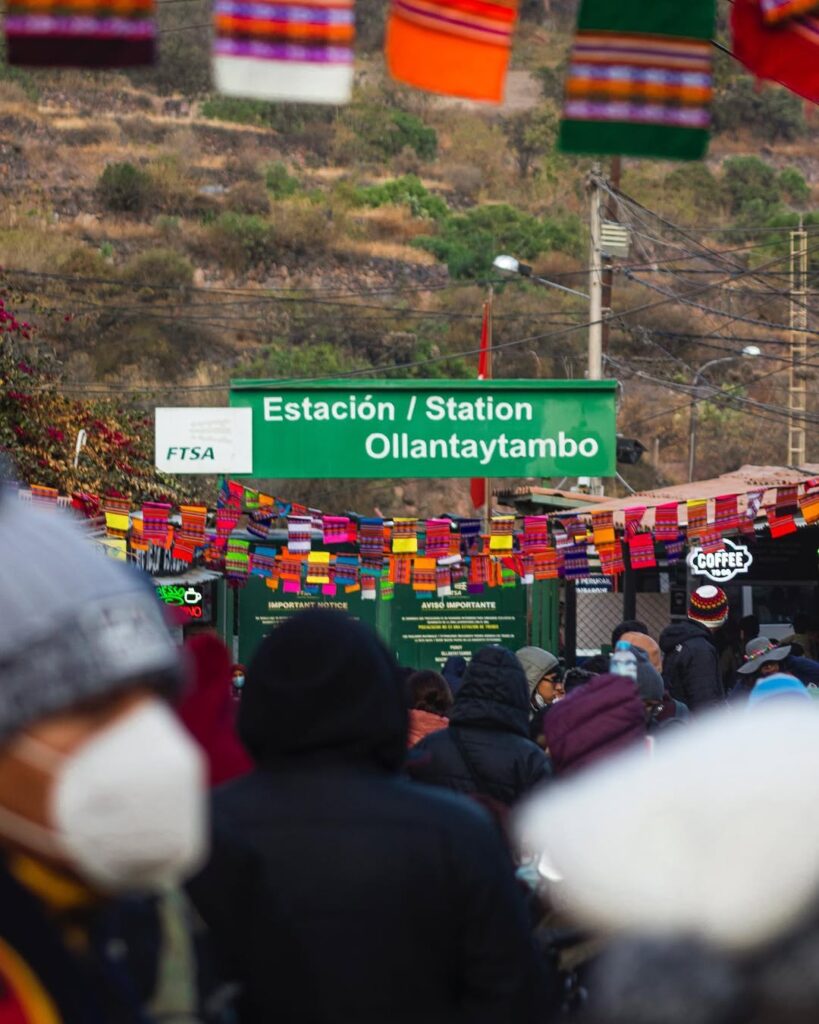
During the journey, you can enjoy the mountainous landscape from a different perspective and have excellent opportunities to take photos to cherish as memories.
| Day details | |
| Meals | Breakfast, lunch and dinner |
| Lodging | Hotel |
| Difficulty | Easy |
| Walking distance | 13 km / 8.08 miles |
| Duration of the hike | 5 hours |
| Minimum altitude | 2,040 m / 6,693 ft |
| Maximum altitude | 3,120 m / 10,236 ft |
| Camp altitude | 2,040 m / 6,693 ft |
Day 5: Aguas Calientes – Machu Picchu – Ollantaytambo – Cusco
Today, you’ll head to Machu Picchu, one of the World’s New Seven Wonders. To do this, you’ll need to set your alarm and rise before sunrise, have a quick breakfast, and beat the crowds to the Inca citadel to enjoy this magical place in peace before more visitors arrive.
Entry to Machu Picchu begins at 6:00 a.m., so we’ll board the bus from Aguas Calientes at 5:30 a.m. Upon entering, you’ll feel a sense of magic and mystery as you first behold the complex. Take a moment to reflect on how the ancient Inca culture could construct such a marvel on the mountainside.
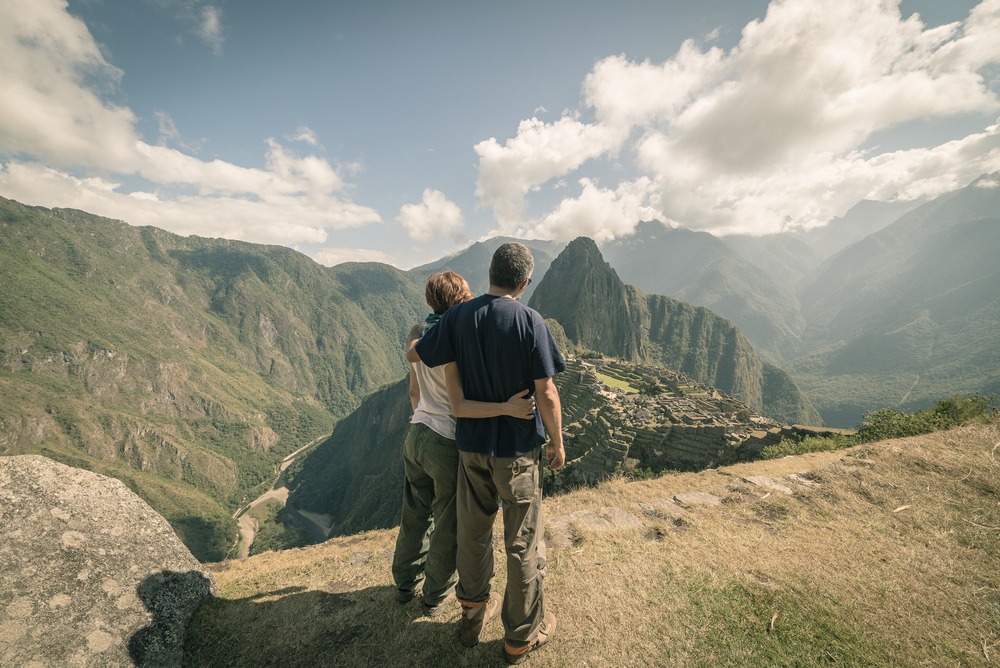
After taking in this sight, our expert guide will lead you on an informative and exciting tour of the critical sectors, revealing the best-kept secrets of the Incas. Then, if you’ve purchased tickets in advance, you can climb either Huayna Picchu or Machu Picchu Mountain.
Around noon, it will be time to return to the quaint town of Aguas Calientes. You’ll have time to choose a restaurant and enjoy a good lunch before heading to the train station to board the train to Ollantaytambo. The travel time depends on ticket availability at the time of booking.
Once we arrive in Ollantaytambo, our private transport will be waiting to take us back to Cusco. Finally, you can enjoy a well-deserved and comfortable rest. On the way, you’ll reflect on the journey of a lifetime, which we’re sure you’ll never forget.
| Day details | |
| Meals | Breakfast |
| Difficulty | Easy |
| Duration of the hike | 2-5 hours exploring |
| Optional Activities | Moderate to challenging (2-4 hours) |
| Altitude of the Machu Picchu citadel | 2,430 m / 7,972 ft |
| Altitude of Machu Picchu mountain | 3,000 m / 9,843 ft |
| Altitude of the mountain Huayna Picchu | 2,720 m / 8,924 ft |
Other Ways to Explore the Ancascocha Trek
In addition to the classic 5-day itinerary, other variations of the Ancascocha Trek adapt to your available time and the type of experience you’re looking for.
While the core route remains similar, each option changes the pace, logistics, and how you ultimately reach Machu Picchu.
Short Ancascocha Route (4 Days)
- Duration: 4 days
- Focus: More compact and dynamic
The shorter version of the Ancascocha route reduces time in the mountains while still maintaining the most representative sections of the trek. It’s ideal if you have fewer days but still want to experience high-altitude trekking, cross mountain passes, and explore remote landscapes without crowds.
The pace is more demanding, as distances and elevation gains are concentrated into fewer days. Even so, it still includes lakes, Andean valleys, and interaction with local communities. This is a strong alternative if you’re looking for efficiency without missing the essence of the route.
Itinerary Summary
Day 01
Cusco | Soqma – Perolniyoc – Racaypata – Rayan – Abra Kuychiccasa – Chancachuco
We’ll start the day by hiking to Perolniyoc Waterfall before heading to the Inca archaeological site of Racaypata. After lunch, we’ll hike up to Abra Kuychiccasa before descending to our camp in the Chancachuco Valley.
Day 02
Chancachuco | Ancascocha – Abra Huayanay – Incaracay – Quesqa
In the morning, we’ll trek and enjoy incredible views of La Verónica Glacier. Then, we’ll head to the community of Ancascocha for lunch. Afterward, we’ll hike to the trail’s highest point before enjoying a relaxing descent to our camp in the Quesqa Valley
Day 03
Quesqa | Paucarcancha – Piscacucho, KM 82 – Ollantaytambo – Aguas Calientes
We’ll start by hiking to the Inca site of Paucarcancha before descending for five hours along the Classic Inca Trail to KM 82, where we’ll have lunch. From Ollantaytambo, we’ll board the train to Aguas Calientes and spend the night in a hotel.
Day 04
Aguas Calientes | Machu Picchu – Ollantaytambo – Cusco
Today, we’ll start early to avoid crowds at Machu Picchu. Once at the citadel, we’ll have an approximately two-hour guided tour. Later, we’ll board the train to Ollantaytambo, where our private transportation will be waiting to take us back to Cusco.
Ancascocha + Inca Trail (5 Days)
- Duration: 5 days
- Focus: Combined experience
This variation combines the Ancascocha route with a section of the Inca Trail, bringing together the best of both experiences. On one hand, you hike through remote landscapes, high-altitude lakes, and mountain passes. On the other, you access original Inca pathways and more structured archaeological sites before reaching Machu Picchu.
The result is a more complete experience: a mix of untouched nature and visible Inca history along the way. It’s an excellent option if you want to add cultural depth to your trek without losing the remote and less-traveled character of the Ancascocha route.
Summary of your Itinerary
Day 01
Cusco | Soqma – Perolniyoc – Racaypata – Rayan – Abra Kuychiccasa – Chancachuco
Today, we will head towards Soqma, the starting point of our journey. From there, we will hike to Perolniyoc waterfall, where you can refresh yourself with its waters. Afterward, we will visit the archaeological site of Racaypata and have lunch. In the afternoon, we will descend to our campsite in Rayan to spend the night.
Day 02
Chancachuco | Ancascocha – Abra Huayanay – Quesqa
In the morning, we will head towards Abra Kuychiccasa and enjoy incredible views. We will have lunch before descending to the community of Ancascocha. Later, we will ascend to Abra Huayanay, the journey’s highest point. Finally, we will descend to our campsite in the valley of Quesqa.
Day 03
Quesqa | Paucarcancha – Piscacucho, KM 82 – Ollantaytambo
Today we will visit the Inca site of Paucarcancha, and then hike for five hours along the Classic Inca Trail to kilometer 82, where we will have lunch. In the evening, we will rest at a comfortable hotel in the picturesque village of Ollantaytambo.
Day 04
Ollantaytambo | KM 104 – Chachabamba – Wiñay Wayna – Machu Picchu – Aguas Calientes
Today, we will board the train to KM 104, the starting point of the Short Inca Trail. During the journey, we will stop at Wiñay Wayna before continuing to the Sun Gate to appreciate the fantastic views of Machu Picchu from a distance. Then, we will go to Aguas Calientes for dinner and rest in a comfortable hotel.
Day 05
Aguas Calientes | Machu Picchu – Ollantaytambo – Cusco
Today, we will rise early to avoid crowds and explore the incredible Inca citadel of Machu Picchu. You will have a guided tour there for an hour and a half. Finally, we will board a train to Ollantaytambo, where private transport will await us when we return to Cusco.
How Difficult Is the Ancascocha Trek?
The Ancascocha Trek is considered a moderate to challenging hike, mainly due to its altitude—reaching over 4,650 m (15,265 ft)—and its long ascents through mountainous terrain. Unlike more popular routes, it requires good physical condition and proper acclimatization in Cusco before starting.
Although no technical climbing skills are required, it is best suited for travelers who have previous trekking experience or are looking for a more demanding challenge before reaching Machu Picchu.
Ancascocha Trek vs Inca Trail vs Salkantay Trek
Choosing between these routes is not always easy. All three lead to Machu Picchu and take place in the Cusco region, but the experience varies significantly depending on difficulty level, crowd size, and the type of landscapes you prefer.
The following comparison table helps you quickly understand the key differences and make a more informed decision:
| Feature | Ancascocha Trek | Inca Trail | Salkantay Trek |
| Type of experience | Remote, authentic, less touristic | Historical and structured | Scenic and popular |
| Difficulty level | Moderate to challenging | Moderate | Moderate to challenging |
| Maximum altitude | 4,650 m (15,256 ft) | 4,215 m (13,829 ft) | 4,630 m (15,190 ft) |
| Typical duration | 4–5 days | 4 days | 4–5 days |
| Crowd level | Very low | High (limited permits) | Medium to high |
| Landscapes | Remote valleys, lakes, high mountains | Inca paths, cloud forest | Glaciers, jungle, dramatic transitions |
| Archaeological sites | Few and less visited | Many and well preserved | Some, not the main focus |
| Infrastructure | Basic, less developed | Regulated and organized | Intermediate |
| Access to Machu Picchu | By train (usually) | Hiking via Inti Punku | By train |
| Best for | Remote and challenging experience | First-time visitors + Inca history | Paisajes variados y accesibilidad |
How to Choose Quickly
- Choose the Ancascocha Trek if you’re looking for solitude, fewer crowds, and a more authentic experience.
- Choose the Inca Trail if you want history, structure, and the classic route to Machu Picchu.
- Choose the Salkantay Trek if you prefer diverse landscapes with a more accessible level of difficulty.
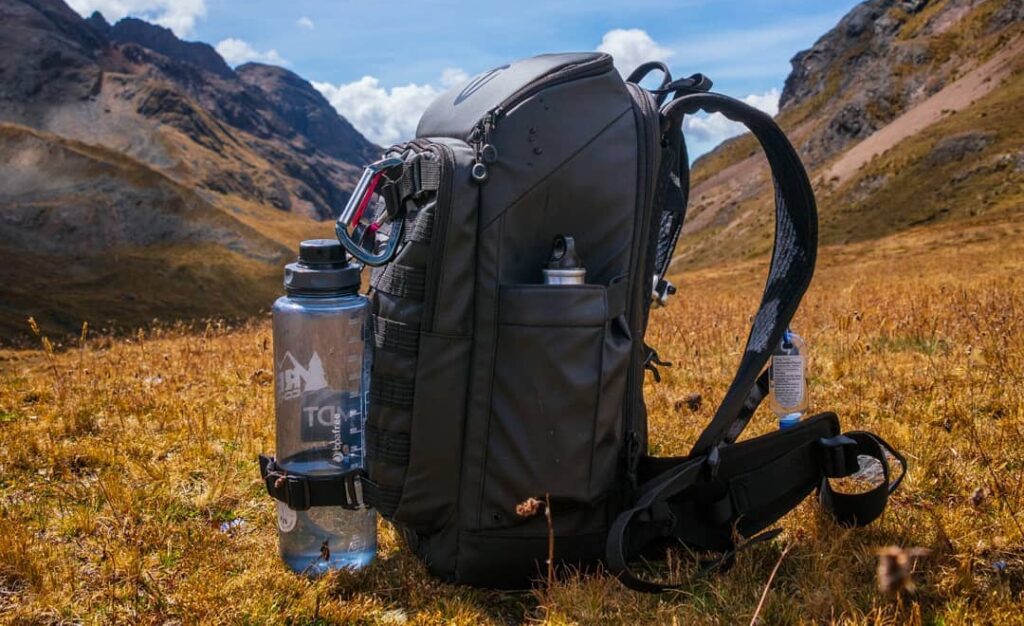
Packing List for the Ancascocha Trek
The Ancascocha Trek requires proper preparation, as it combines high altitude, rapid weather changes, and uneven terrain in the Cusco region.
In a single day, you may experience intense sun and freezing temperatures, especially at higher elevations near snow-capped peaks, before reaching Machu Picchu.
For this reason, it’s essential to pack the right gear without overloading your backpack.
Essentials
- Energy snacks
- Waterproof and windproof jacket
- Insulated jacket (down or synthetic)
- Layered clothing (base layer + mid layer)
- Trekking boots (already broken in)
- Trekking socks
- Backpack (30–50 L) + rain cover
- Trekking poles
- Water bottle or hydration system
- Sunscreen and sunglasses
- Warm hat + sun hat
- Headlamp
Recommendations for the Ancascocha Trek
If you take on the Ancascocha Trek, you’ll experience stunning landscapes and rich Inca heritage. To ensure your journey is safe and rewarding, proper preparation is essential.
Below, you’ll find key recommendations to guide you through physical preparation, gear, nutrition, hydration, as well as health, safety, and environmental considerations.
With these tips, you’ll be ready to handle the challenges of the trail and make the most of this unforgettable adventure.
Before the Trek:
- Make sure you are in good physical condition:
The Ancascocha Trek is a challenging hike with significant ascents and descents. Proper training beforehand is important.
- Choose the right tour:
There are different options available, ranging from 4 to 5 days. Choose the one that best matches your fitness level and budget.
- Pack properly:
Bring appropriate clothing and gear for both the weather and altitude. You will also need to carry enough food and water for the journey.
- Get travel insurance:
It’s important to have travel insurance that covers you in case of any medical emergency.
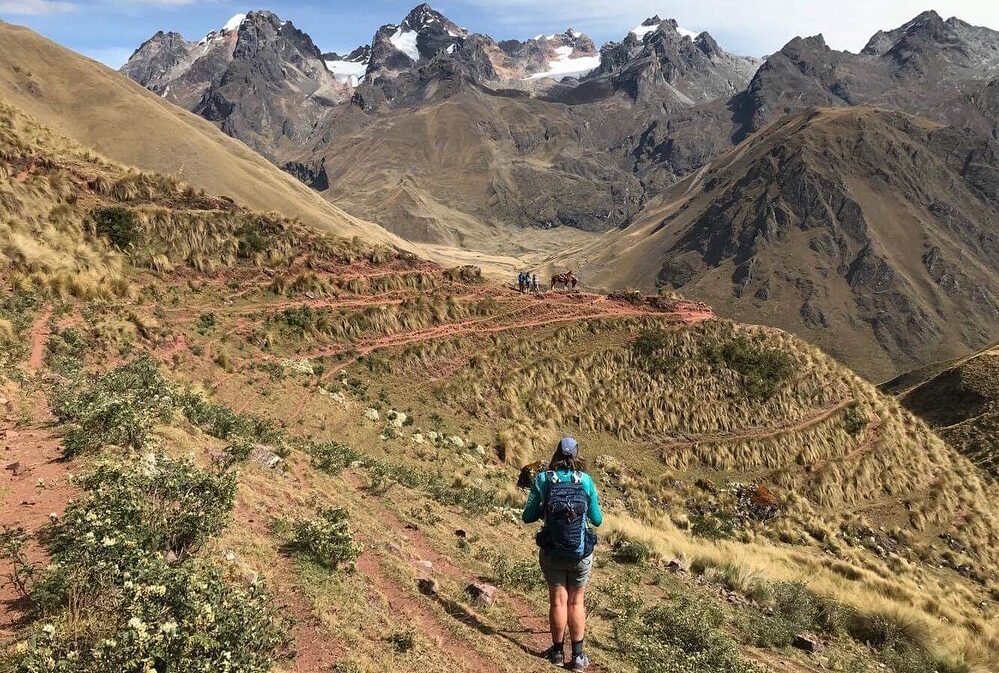
During the Trek
- Acclimatize to the altitude:Spend two to three days acclimatizing before starting the trek. This helps prevent altitude sickness.
- Hike at your own pace:Don’t feel pressured to keep up with others. Walk at your own pace and take breaks when needed.
- Stay hydrated:Drink plenty of water throughout the trek, especially at high altitudes.
- Protect yourself from the sun:Sun exposure can be intense at high elevations. Use sunscreen and wear a hat for protection.
- Respect the environment:Do not leave trash behind. Leave the trail exactly as you found it.